
Last updated October 16, 2026
 Water damage drying
 Fire & smoke cleanup
 Mold remediation
 Storm response
 Sewage cleanup
 Reconstruction
Free visual inspection and a written scope of work before any mitigation begins - photos, moisture readings, and drying logs go in your claim file
The scope we write is the scope we bill. Anything new gets shown to you, in writing, before we touch it.
Get your free estimateSeasonal Damage Restoration Care for San Antonio: Year-Round Homeowner’s Guide
San Antonio doesn’t have four equal seasons. We have four distinct water damage risk profiles, and a homeowner who prepares for each one on its own terms will spend dramatically less on restoration than one who treats home maintenance as a single annual event. The freeze in February 2021 that split more pipes in San Antonio in one week than any storm in the previous decade wasn’t freak weather. It was predictable, and almost every loss we saw that week started with an uninsulated pipe in an unconditioned garage or an exterior wall. This guide to damage restoration in San Antonio covers what actually happens to homes across Bexar County throughout the year, and the specific things you can do, in about 30 minutes per season, to avoid calling us for an emergency.
Quick Answer
Seasonal damage restoration care in San Antonio means preparing for four distinct risk periods: spring flash floods, summer AC condensate leaks, fall foundation-gap water intrusion, and winter pipe freezes. Each season has one primary failure point that causes most of the water damage we see. If you spend 30 minutes per season on the inspection tasks in this guide, you’ll catch most problems before they require professional restoration. When damage does happen, a Water Damage Restoration in San Antonio response starts with water extraction and drying, not demolition.
Restoration work we handle
Table of Contents
- Spring: Flash Flood Season and Yard Drainage
- Summer: The Hidden Cost of AC Condensate Lines
- Fall: Drought-Shrunken Clay and Foundation Gaps
- Winter: Which Pipes Freeze First in San Antonio Homes
- The 4-Season Homeowner’s Inspection Matrix
- Common Mistakes to Avoid
- When to Call a Professional
- Frequently Asked Questions
Spring: Flash Flood Season and Yard Drainage
Most San Antonio homeowners think of flooding as a river or creek problem. It isn’t. Bexar County sits on the Balcones Escarpment, and when May storms roll through, water moves fast. The steep terrain means runoff picks up speed quickly, and homes on the north and northwest sides, think Stone Oak, Helotes, and Timberwood Park, see surface water move downhill with a lot of force. We’ve responded to flooded garages and sunken living rooms in neighborhoods nowhere near any creek. The water came from the yard, not the sky.
There are two things to check before the May rain, not after. First, your yard grade. The soil around your foundation should slope away from the house at least six inches over the first ten feet. Over time, settling and landscaping changes flatten that slope, and water stops flowing away and starts pooling against the slab. Second, your window wells. Homes with basement-level or below-grade windows, which are more common on the north side and in older neighborhoods like Monte Vista, need clear drainage at the bottom of the well. When that drain clogs with leaves and silt, a single heavy downpour turns the window well into a small swimming pool, and the water finds its way inside.
Here’s the 30-minute spring inspection, in order:
- Walk the perimeter of your home after a dry week. Look for soil pulled away from the foundation or mulch piled higher than the sill plate. Both direct water toward the slab.
- Check every downspout. Water should discharge at least four to six feet from the foundation. A downspout that dumps water right at the corner of the house is a slow water damage claim waiting to happen.
- Clear window well drains with a garden hose. If the water doesn’t drain within a minute, the drain line is clogged.
- Check your roof valleys and gutters for debris. Water that overflows a clogged gutter lands right at the foundation line.
Spring water intrusion responds well to early intervention. If water gets inside, the first 24 hours are critical. Marsh Water Damage San Antonio home crews start with high-volume extraction, and getting standing water out fast is what preserves flooring and drywall.
Summer: The Hidden Cost of AC Condensate Lines
Summer in San Antonio means air conditioning runs continuously from May through October. The most common source of slow, hidden water damage we see in single-family homes during summer isn’t a broken pipe. It’s an AC condensate line. Every time your air conditioner cools the house, it pulls moisture from the air. That water has to go somewhere. When the condensate line clogs, which happens constantly in homes with hard water and high mineral content like much of San Antonio, the water backs up into the drain pan. The pan overflows. Water soaks into the ceiling below, the wall cavity, or the floor around the air handler.
The damage is slow and quiet. By the time a homeowner notices a water stain on the ceiling, the line has often been overflowing for days or weeks. That extended moisture is what feeds mold growth behind drywall. And because the air handler is often in a hot, closed space, like an attic or a garage closet, the environment is perfect for microbial growth.
The fix is simple. A 15-minute flush every month during cooling season prevents almost every one of these losses. Here’s what to do:
- Locate the condensate drain line. It’s a PVC pipe near the indoor air handler, often with a small access cap.
- Pour one cup of distilled white vinegar into the line, slowly. This dissolves mineral buildup and kills early organic growth.
- Wait a few minutes, then flush with a cup of warm water. You should see it drain out at the exterior discharge point.
- If the line is already clogged, a wet-dry vac on the discharge end will often pull the blockage clear. If you’re uncomfortable working around the air handler, this is a ten-minute service call for a licensed HVAC tech. Do not ignore it.
We see the results of ignored condensate lines all through late summer. The water usually runs down through a chase or a wall cavity and shows up as peeling paint, warped baseboards, or a musty smell before anyone sees an actual leak. By that point, it’s no longer a DIY fix. Drying the wall cavity requires more than a fan; it requires controlled airflow directed into the wall, moisture readings to track progress, and an assessment of what’s salvageable. Mold doesn’t wait for you to notice it. If you suspect a slow leak behind a wall, a Mold Remediation in San Antonio assessment can tell you what’s behind the drywall before you open it up.
Fall: Drought-Shrunken Clay and Foundation Gaps
San Antonio sits on expansive clay soil. During a long, hot summer, the soil contracts. By August and September, after months without significant rain, that clay has pulled away from foundation walls and footings. In neighborhoods like Alamo Heights, Terrell Hills, and older parts of the near North Side, where homes sit on pier-and-beam or shallow slab foundations, we see gaps open between the soil and the foundation. The house is fine. The problem comes when the first heavy rains of fall arrive. Water pours into those gaps and follows them down. The water gets under the slab, saturates the soil beneath the house, and starts finding its way inside.
Fall is also when San Antonio gets its second rain season. October storms combined with the drought-created gaps is a recipe for foundation water intrusion, and it doesn’t disappear on its own. Water under a slab evaporates slowly. It keeps the soil saturated, which can shift the slab, crack drywall, and cause doors and windows to stick.
How to spot the warning signs in early fall:
- Gaps at ground level: Walk around the foundation and look for a visible gap between the soil and the concrete, even a finger-width gap is enough to channel water down.
- Cracks in the brick or stucco: New cracks that appear after a dry summer are often a sign the soil has moved. They might be cosmetic, but they might not be.
- Soil slopes away from the house: When clay contracts, it often leaves a shallow depression right where the yard meets the foundation. That depression collects water instead of shedding it.
- Doors and windows that stick: This is the first sign of slab movement, and it often shows up in fall as moisture shifts the soil back.
If you see gaps, the fix before rain is simple. Backfill the gap with soil and tamp it down, then add topsoil so the grade slopes away from the house. If the gap is large, or the foundation has already shifted, get a foundation assessment before the rains. Once water gets under a slab, extraction and drying are only part of the fix. The slab needs to be monitored, and the drying process is measured with moisture meters to make sure the soil isn’t holding water against the foundation.
Winter: Which Pipes Freeze First in San Antonio Homes
San Antonio homes are not built for prolonged freezing temperatures the way homes in Dallas or Lubbock are. Our plumbing is much closer to the surface. Pipes run through unconditioned garages, crawl spaces, outside walls, and attic spaces without the deep burial that colder climates require. When the temperature drops below 28°F and stays there for more than a few hours, water in these exposed pipes starts to freeze. And the pipes that freeze first are always the same ones.
Here are the specific locations we’ve seen fail again and again in San Antonio during cold snaps:
- Pipes in the garage wall or garage ceiling: These run along the exterior of the house with little or no insulation between the pipe and the outside air.
- Pipes in exterior walls of kitchens and bathrooms: Sink supply lines on outside walls are the single most common freeze location in San Antonio homes.
- Hose bibs: Every freeze starts with a split hose bib. The split may be right at the spigot or just inside the wall, and the homeowner doesn’t discover it until spring when they turn the water back on.
- Pipes in attic spaces above the insulation: Plumbing that runs above the blown-in insulation in an attic is exposed to the attic temperature, not the heated house temperature.
A $12 pipe insulation sleeve, the split foam kind available at any hardware store, would have prevented most of the damage we saw during the February 2021 freeze. The sleeves slide over the pipe and are taped closed. They don’t need to be perfect. Even a partial sleeve raises the freeze point of the pipe significantly. If you haven’t insulated your exposed pipes, do it now. Not next month. Not when there’s a freeze warning in the forecast. Now.
When a hard freeze is forecast:
- Disconnect all garden hoses and shut off the water to exterior hose bibs at the shutoff valve, then drain the bib.
- Open cabinet doors under kitchen and bathroom sinks so warm house air reaches the pipes inside exterior walls.
- Let faucets on exterior walls drip cold water, not warm, at the farthest tap from the water heater. A steady drip through the system keeps water moving and prevents freezing in most exposed lines.
- If you have a pool or irrigation system, shut off and drain the backflow preventer. This is one of the most common freeze break points we see in San Antonio, and it’s almost always ignored.
If a pipe does freeze and split, the damage usually doesn’t show up until the pipe thaws. Then water pours out. That’s when you need a response fast. Most residential water extractions in San Antonio run between $1,200 and $2,800 before drying equipment is set, depending on the affected area. If you’re home when the pipe lets go, shut off the main water supply at the meter. If you’re not home, a burst pipe can run for hours before anyone notices. A Storm Damage Restoration in San Antonio response applies here too: extraction, drying, and structural assessment start the same way.
The 4-Season Homeowner’s Inspection Matrix
Here is the entire guide in one chart. Each season has one primary risk, one specific 30-minute inspection task, and one thing you should never do. This is the matrix we use when we talk to homeowners in San Antonio about prevention. Print it. Tape it inside a cabinet door. For more guides & resources, visit our blog. It will save you more money than any piece of advice we give out.
| Season | Primary Risk | 30-Minute Inspection Task | Why It Matters |
|---|---|---|---|
| Spring (March-May) | Flash flood runoff entering through the foundation or window wells | Check yard grade and clear window well drains | Bexar County’s steep terrain sends water toward the house fast |
| Summer (June-August) | AC condensate line clogging and overflowing | Flush the condensate line with vinegar and water | Slow leaks behind walls feed mold before anyone sees water |
| Fall (September-November) | Drought-shrunken clay creating foundation gaps that collect rainfall | Backfill foundation gaps and verify soil slopes away from the house | Water under the slab shifts foundations and cracks interiors |
| Winter (December-February) | Pipes freezing in unconditioned spaces at or below 28°F | Insulate garage and exterior wall pipes, drain hose bibs | A $12 sleeve prevents a $2,000+ extraction |
One more thing worth saying: none of these tasks requires professional help. They require attention. The homeowners who call us for an emergency are almost always the ones who didn’t know where to look. Now you know where to look.
Common Mistakes to Avoid
- Treating the AC condensate line as a “call when it breaks” item. In San Antonio, the condensate line clogs every single cooling season if it isn’t flushed. By the time you see the water stain, the wall cavity has been wet for weeks.
- Waiting until the freeze is forecast to insulate pipes. The hardware stores sell out of pipe insulation the day before a freeze. Buy it now, install it now, and you’ll never be in that line.
- Downspouts that discharge at the foundation corner. We see this on almost every home built before 1990. The downspout may have worked when the home was built. Soil shifts, grading changes, and now it’s pouring water right into the slab.
- Assuming flooding only happens in flood zones. The majority of water damage calls we respond to in San Antonio are from homes outside designated flood zones. The water came from the yard, the AC, or a pipe, not from a creek or river.
- Piling mulch against the foundation. Mulch holds moisture against the slab and hides gaps and cracks. Keep mulch at least six inches below the sill plate and pull it back during seasonal inspections.
- Turning off the heat during a winter trip. Set the thermostat no lower than 55°F. Turning it off entirely lets the walls cool to outside temperature, and pipes in exterior walls freeze faster than you’d think.
- Ignoring musty smells because you can’t see water. A persistent musty smell in a bathroom, closet, or laundry room is often a slow leak inside a wall cavity. You may not see water damage for months, but the mold is already there.
When to Call a Professional
Call a restoration professional when water has been sitting for more than a few hours, when water has soaked into drywall or flooring, or when you can smell mold. These are not situations where a fan and a shop vac will solve the problem. Water that has penetrated building materials needs controlled drying with professional equipment, and that equipment needs to be monitored with moisture readings, not guesses. Marsh Water Damage San Antonio offers free estimates in San Antonio. Call us at (325) 252-3917 and we’ll assess the situation before any work is priced. If the repair fails within a full year, our 365-Day Done Right Promise means we make it right, free second visit included, and every job starts with a written price before any work begins. That’s not a marketing promise. It’s printed on every work order we write.
Frequently Asked Questions
Most residential water extractions in San Antonio run between $1,200 and $2,800 before drying equipment is set, with the final cost depending on the affected square footage, the materials involved, and how long the water has been sitting. See our Damage Restoration Cost Breakdown for San Antonio homeowners for a fuller picture. A small AC condensate leak that’s caught early may cost $600 to $1,100. A slab flood from a burst pipe can run $5,000 or more once drying, drywall replacement, and flooring are factored in. Call (325) 252-3917 for an exact quote. Estimates are free, and you’ll get a written price before any work starts.
Most homeowners policies in Texas cover sudden and accidental water damage, like a burst pipe or a storm-driven leak, but they do not cover damage from slow leaks, neglect, or lack of maintenance. An AC condensate line that’s been overflowing for weeks is often denied as a maintenance issue. When we handle a claim, we photograph the damage and work directly with your adjuster. That documentation is part of every job, and it makes the claims process faster for you.
You’ll get a live person on the phone when you call (325) 252-3917, any time of day, any day of the year. For water extraction, our standard response in San Antonio is same-day. The first step is removing standing water and setting drying equipment. The faster that happens, the less structural damage you’ll have.
This is the specific reason we built the Threshold Verified standard. Every technician sent to a San Antonio home is background-checked and identity-verified, and before anyone arrives, you get the technician’s name and photo. At the door, they show a photo ID badge that matches the name and photo you already received. You always know exactly who is walking through your door.
Water damage is the event. Mold is the consequence. When building materials stay wet for more than 24 to 48 hours, mold spores that are already everywhere start to grow. You may have water damage without visible mold, and sometimes you have mold without any recent visible water event because the leak was hidden. If there’s a chance mold has taken hold, a professional inspection can tell you what’s going on behind the walls without tearing them open.
You need professional equipment. Household fans move air, but they don’t pull moisture out of wall cavities, under flooring, or from behind cabinets. We use equipment from Phoenix, XPOWER, and B-Air to create directed airflow and control humidity in ways that household equipment can’t. That’s the difference between a structure that’s dry on the surface and a structure that’s dry all the way through, which we verify with moisture meters before we’re done.
The Bottom Line
San Antonio’s four seasons are really four water damage risk profiles, and each one has a specific failure point that’s cheap to prevent and expensive to fix. Spring sends runoff toward your foundation. Summer clogs your AC condensate line. Fall opens gaps around your foundation. Winter freezes the pipes that San Antonio homes leave exposed. Thirty minutes of inspection per season, following the Water Damage Restoration Maintenance Checklist for San Antonio Homeowners above, catches most problems before they turn into restoration projects. When something does go wrong, you want a company that answers the phone, tells you the price in writing before work starts, and sends a technician whose name you already know. That’s what we do. Call us at (325) 252-3917 for a free estimate.
Written by Tobias Reyner, Owner at Marsh Water Damage San Antonio, serving San Antonio since 2005.
See the difference
 Before
 After
After Before
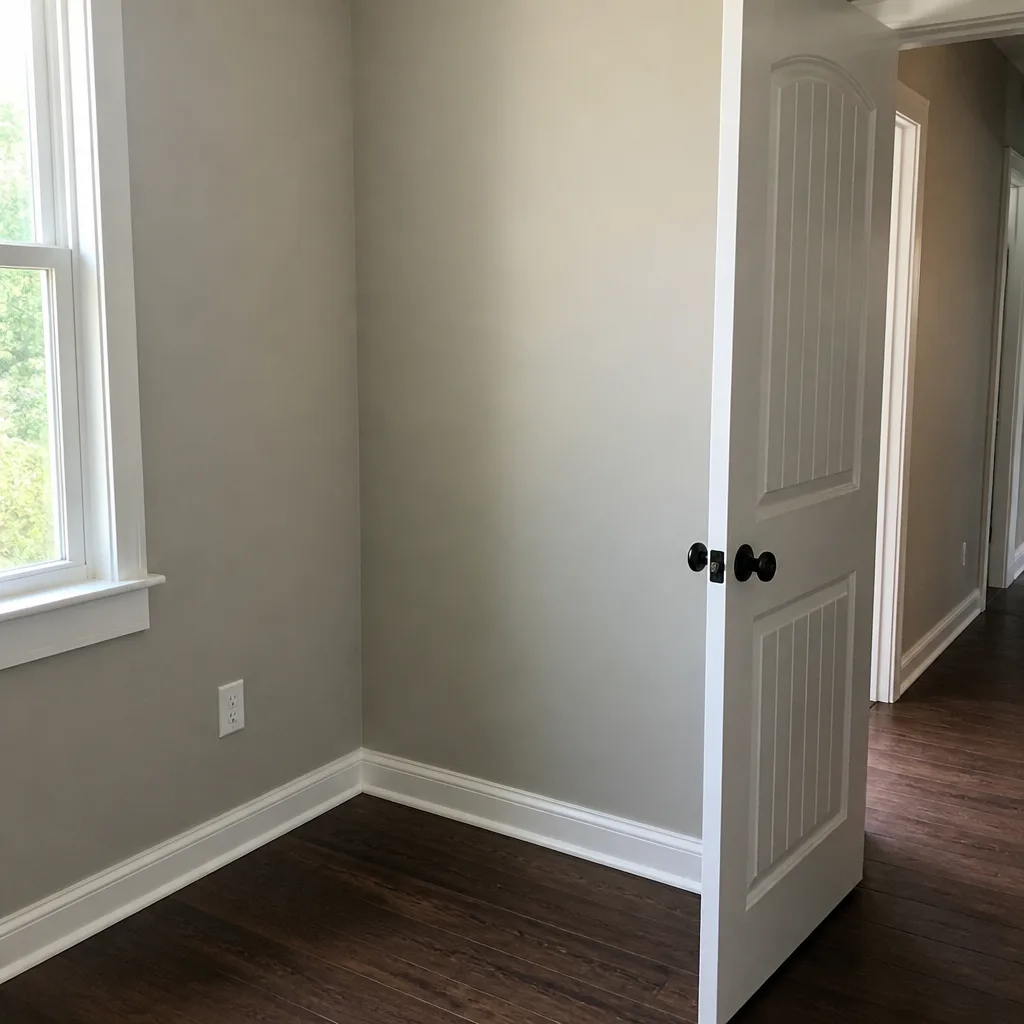 After
After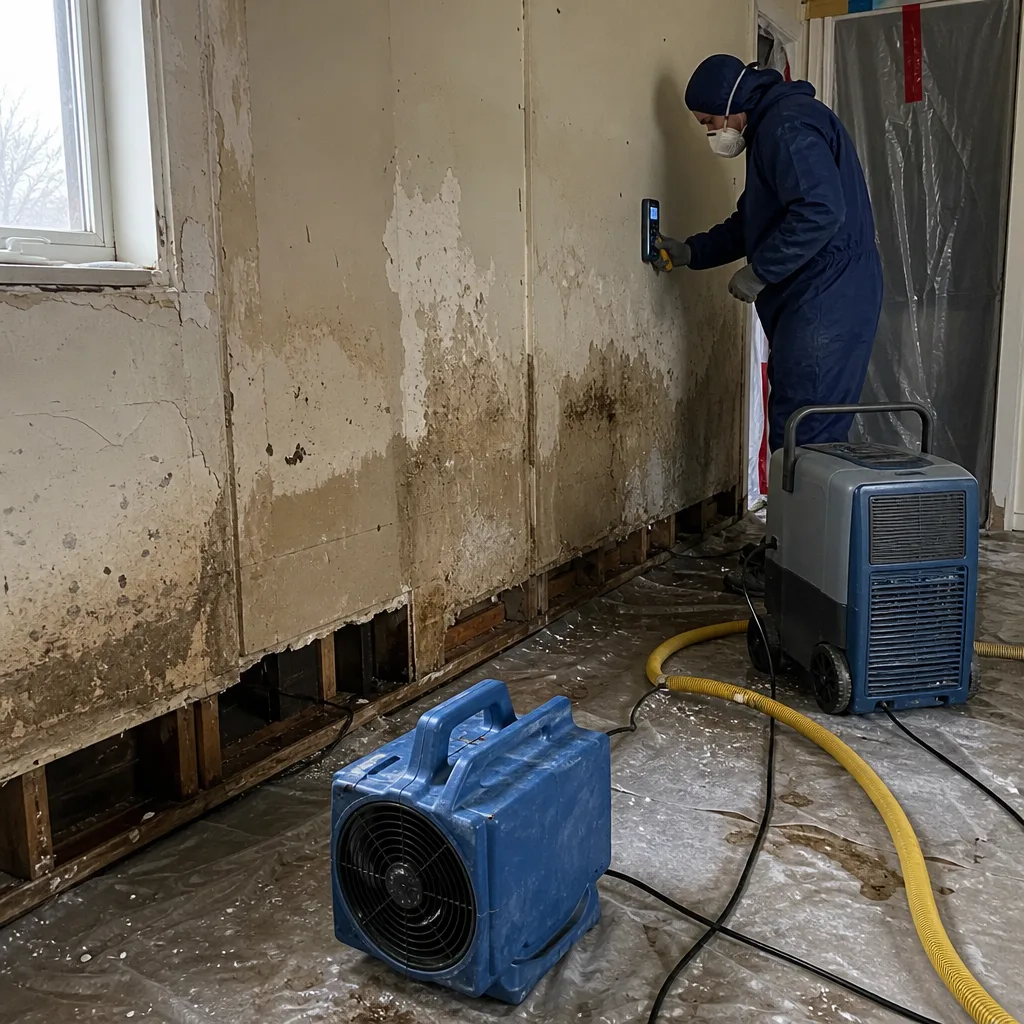 Before
 After
After