
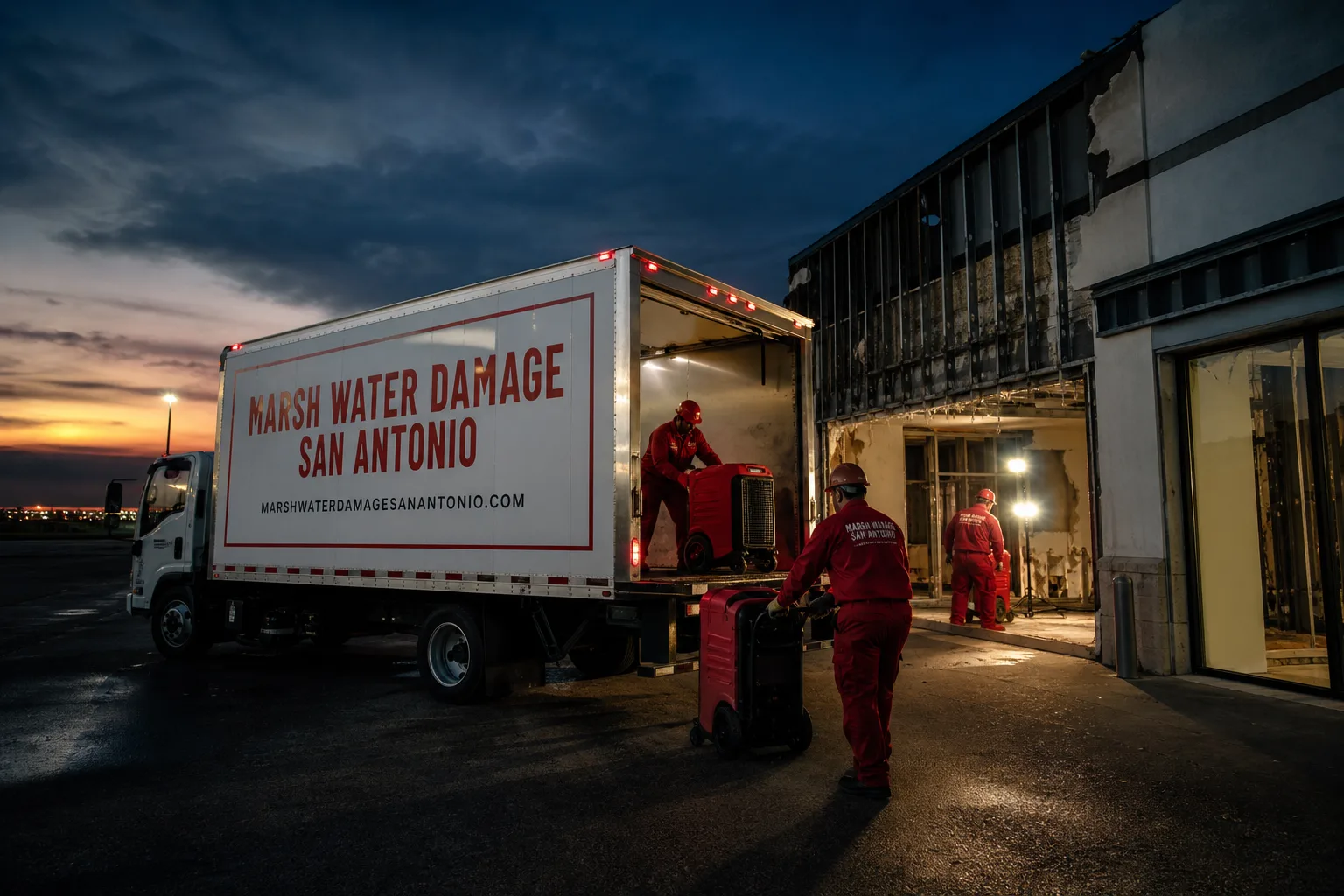
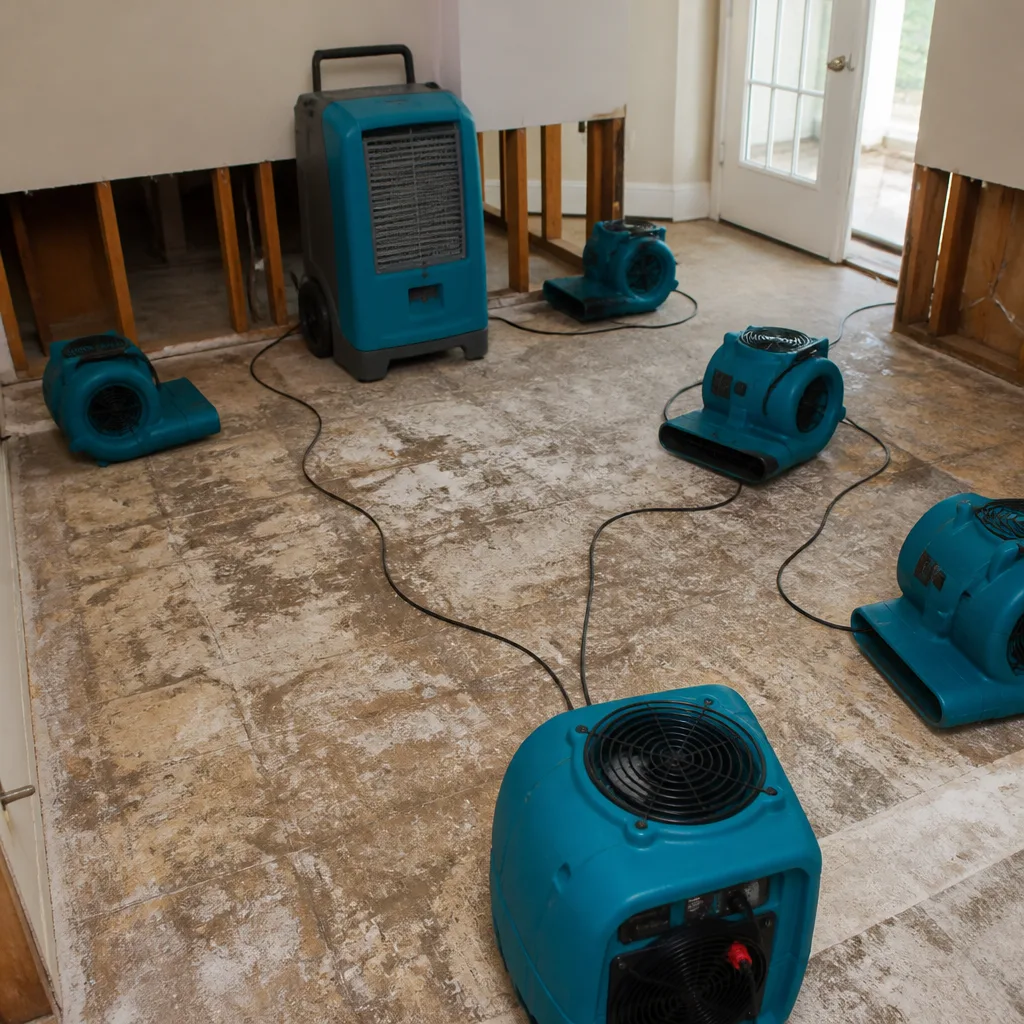
 Water damage drying
 Fire & smoke cleanup
 Mold remediation
 Storm response
 Sewage cleanup
 Reconstruction
Free visual inspection and a written scope of work before any mitigation begins - photos, moisture readings, and drying logs go in your claim file
The scope we write is the scope we bill. Anything new gets shown to you, in writing, before we touch it.
Get your free estimateFast, Reliable Water Damage Restoration Across San Antonio
Water damage in San Antonio doesn’t wait for a convenient moment. A burst pipe at 2 a.m., a flash flood pushing mud through a back door, an attic water heater dumping thirty gallons through a ceiling: we’ve seen every version of it, and we answer the call with a live person every time, 24 hours a day, 7 days a week. Marsh Water Damage San Antonio serves the entire metro, from the historic limestone homes of King William to the newer production subdivisions in Alamo Ranch. When you call (325) 252-3917, you’ll speak to someone who knows San Antonio’s housing stock, its climate, and exactly what your home needs to dry correctly the first time. Most residential water extractions in San Antonio run between $1,500 and $4,800 before drying equipment is set, depending on square footage and how far the water traveled.
Why Marsh Water Damage San Antonio Is San Antonio’s Preferred Water Damage Restoration Company
San Antonio homeowners carry a real, specific worry when water invades their house: who is going to walk through that door? Marsh was built for that question. Every technician who arrives at a San Antonio home is background-checked, identity-verified, and sent to you by name and photo before the visit. Then they show a photo ID badge at the door, every time. That’s the Threshold Verified standard, and it’s not a marketing promise: it’s the operating rule on every job.
Our team holds credentials through IICRC, RIA, and IFA, and we run professional drying equipment from Dri-Eaz, Phoenix, XPOWER, B-Air, and Injectidry. The same gear you’d see on a large commercial loss shows up at residential jobs in Alamo Heights, Terrell Heights, and everywhere else we serve. Tobias Reyner leads the team, and he oversees the written price and written guarantee that go on every work order before any work begins. No estimate that balloons after demo starts. No after-the-fact surprises. San Antonio started trusting Marsh in 2005, and the Water Damage Restoration team has kept that trust by doing exactly what we say we’ll do.
Restoration work we handle
Flooded Basement in San Antonio
A flooded basement in San Antonio is less common than in northern cities, but when it happens, it’s usually the result of Flash Flood Alley rain overwhelming drainage or a plumbing failure in a home with a below-grade split level. Most basement water removals in San Antonio run between $2,000 and $6,500, with the higher end usually meaning category 3 water: floodwater that carries sewage, soil, and bacteria. That kind of water requires full pack-out of affected materials, antimicrobial treatment, and structural drying, not just a sump pump and a few fans.
What We Do First
We extract the standing water, then we map the moisture. Not just the wet carpet, but the drywall, the base trim, the subfloor, the air itself. Psychrometric readings (measuring the moisture in the air) tell us when the structure is genuinely dry, not just dry on the surface.
Basement-Specific Drying
San Antonio’s summer humidity means a damp basement can start growing mold within 24 to 48 hours. We set containment and run low-grain refrigerant dehumidifiers, and we check our readings daily. The goal isn’t to make the floor feel dry. The goal is to pull moisture out of materials before it becomes a problem you can’t see.
Water Extraction in San Antonio
Water extraction in San Antonio usually starts with a phone call from a homeowner staring at a ceiling that’s raining or a kitchen floor that’s become a wading pool. The faster water comes out, the less damage it does, and in San Antonio’s heat, every hour counts. Emergency extractions in San Antonio typically run $350 to $1,200 for a single room, with whole-home extractions landing between $1,800 and $5,000 depending on access and how much standing water is present.
Attic Water Heater Failures
We saw this in Alamo Ranch recently: a failed T&P valve on an attic water heater sent category 1 water cascading through two stories of drywall. Our techs were on site within the hour, set up containment and air movers, and used moisture mapping to track the water’s path through the ceiling, down the wall cavities, and into the subfloor. The mold window in San Antonio is short, 24 to 48 hours in summer, and we beat it.
Hidden Water Behind Walls
Newer production homes in San Antonio, especially those with synthetic stucco exteriors and slab-on-grade foundations, can hide water intrusion behind walls for weeks. The first sign is often a musty smell or a warped baseboard, long after the original leak. We use thermal imaging and moisture meters to find the saturation, then we open only what needs to be opened. You see the readings. You approve the scope. Written price before a single cut is made.
Trusted Brands We Service in San Antonio
We work on appliances and plumbing from all major brands, and we service homes with equipment from Rheem, Bradford White, AO Smith, Whirlpool, and more. If the water source is a failed water heater, a split supply line, or a fixture failure, our team identifies the source and documents it for your insurance claim. For San Antonio homeowners with older units in attics or utility closets, we can often source parts locally and get equipment replaced or repaired fast. Faster extraction means less drying time and a lower final bill, which is why our San Antonio crews stock common fittings and connectors on every truck.
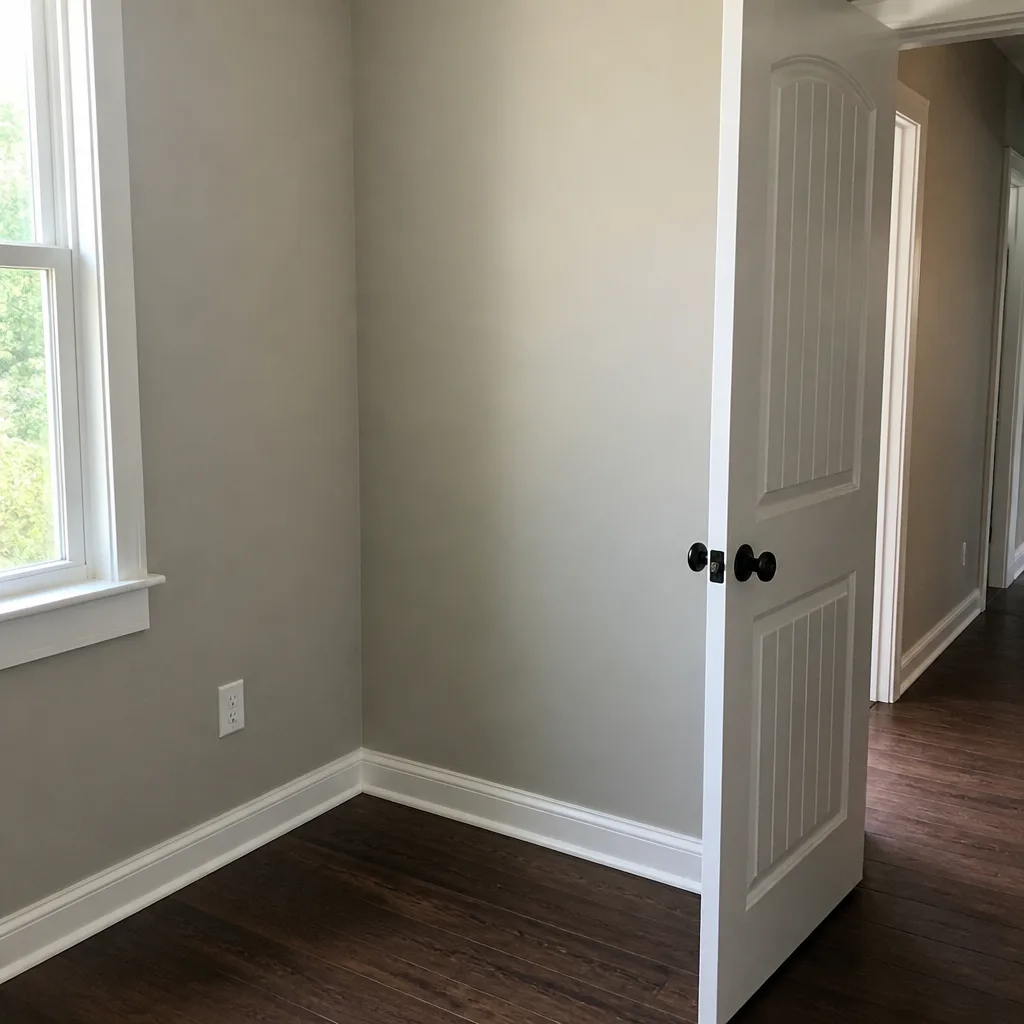
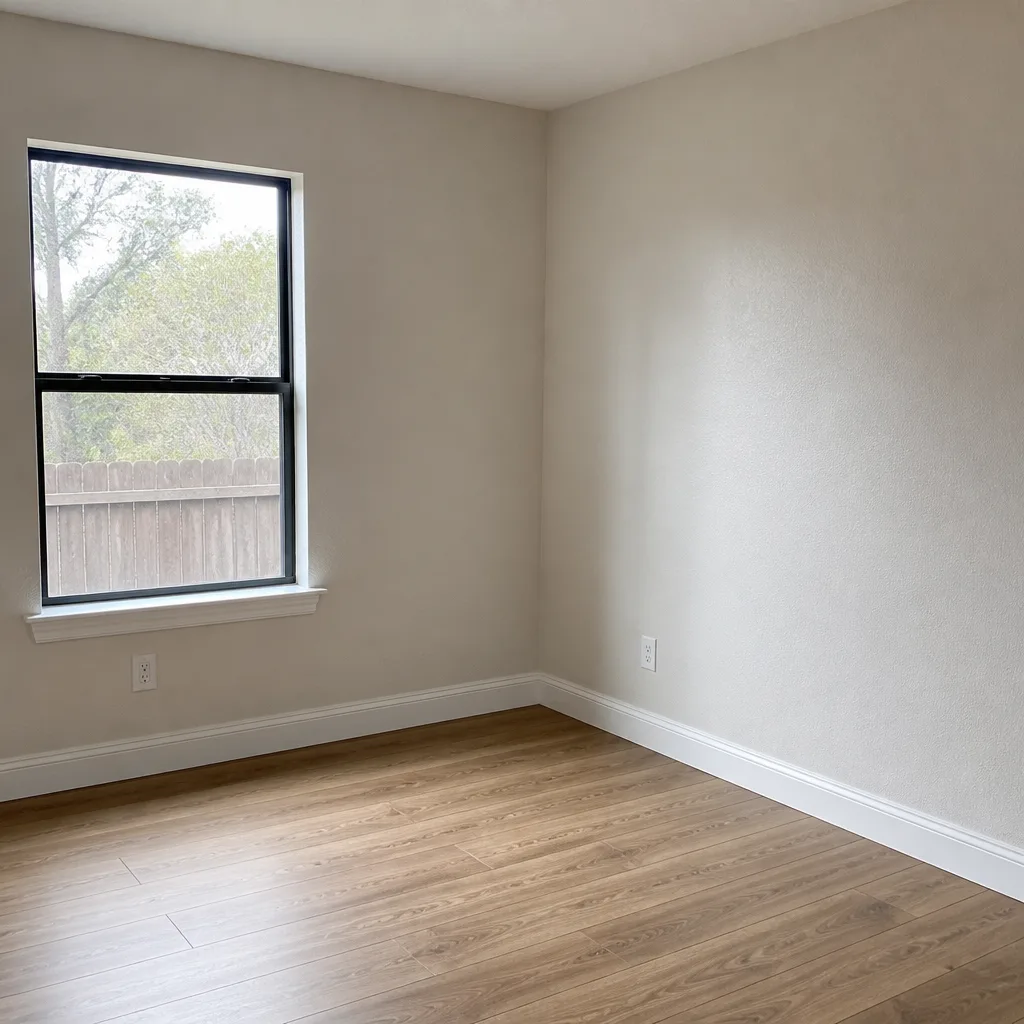
See the difference
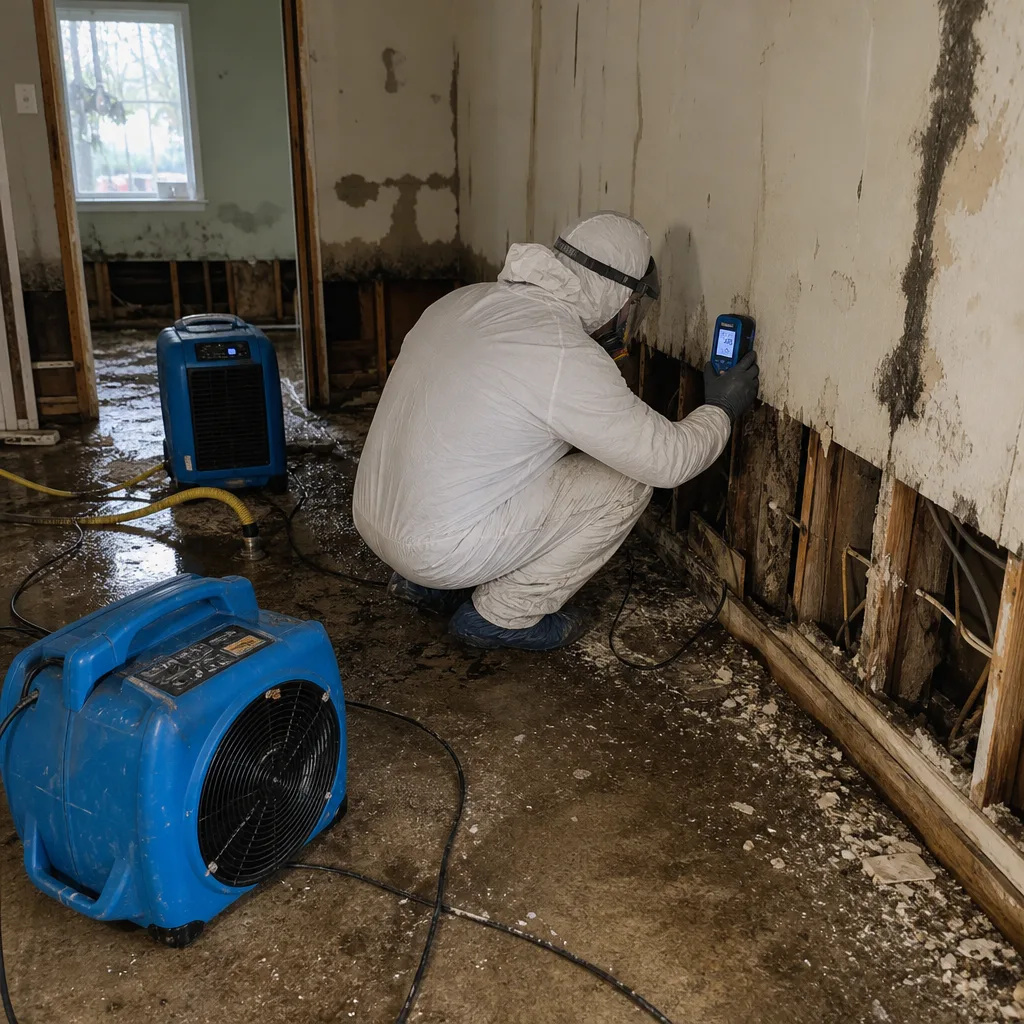 Before
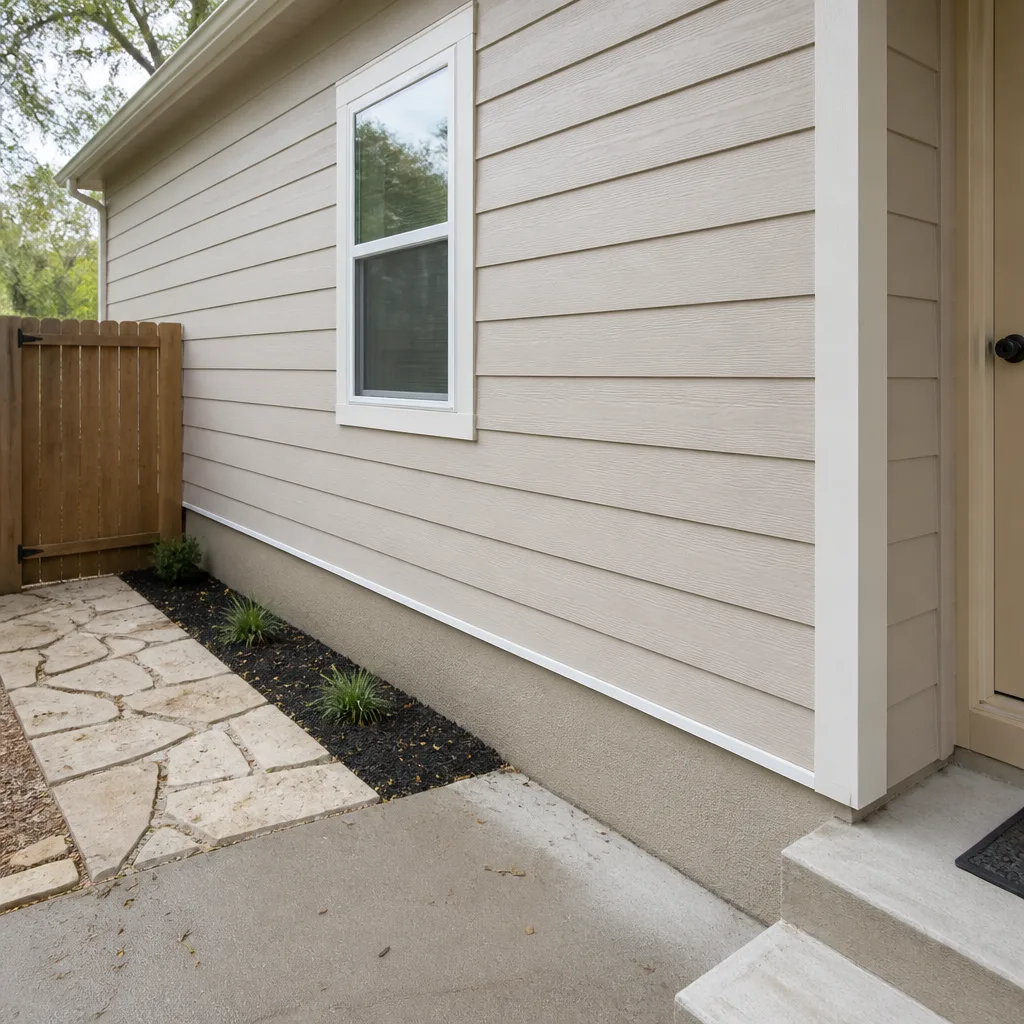 After
After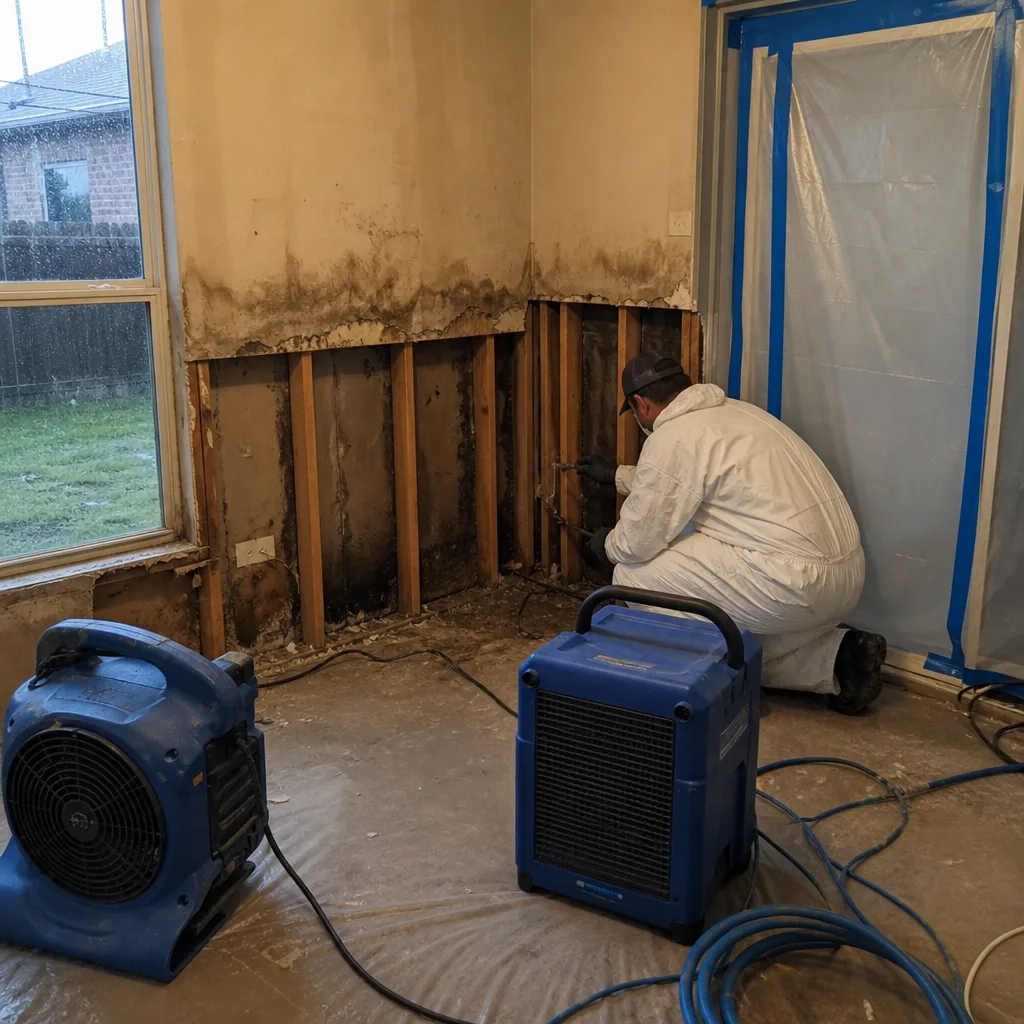 Before
 After
After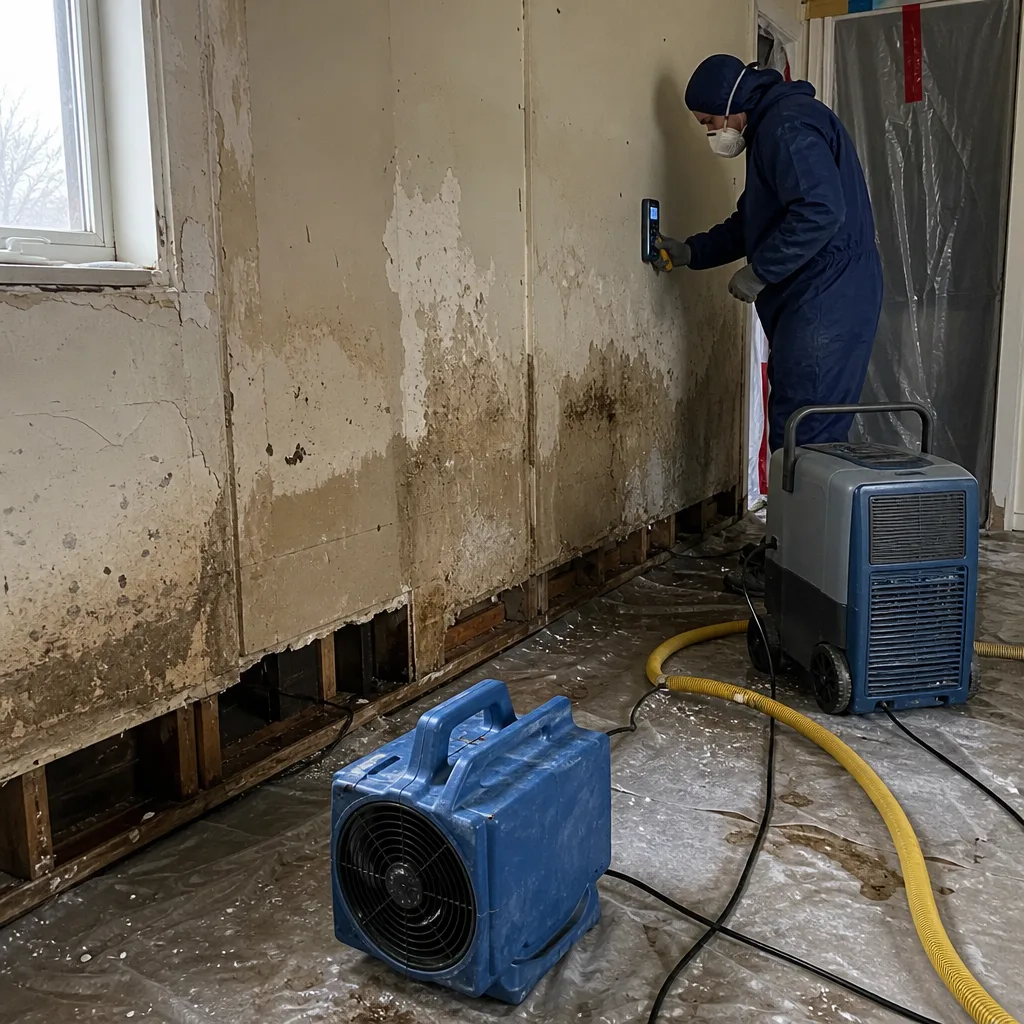 Before
 After
AfterCommon Water Damage Restoration Problems We See in San Antonio Homes
- Attic water heaters in newer subdivisions. In areas like Alamo Ranch and parts of the far west side, water heaters are often installed in attics above finished living space. A failed T&P valve or a rusted tank can release 40 to 50 gallons through the ceiling before anyone notices the leak.
- Flash flood intrusion in low-lying areas. San Antonio sits on the edge of Flash Flood Alley, and intense rain can overwhelm drainage quickly. Category 3 black water gets pushed under doors and through weep holes, and that water requires full antimicrobial treatment, not just dehumidification.
- Historic limestone and pier-and-beam challenges. In King William and Monte Vista, original limestone walls breathe differently than modern drywall, and old-growth pine floors on pier-and-beam foundations warp permanently if they’re dried too fast or too slow. Improper structural drying on these homes can ruin materials that have been in place for a century.
- Hidden saturation behind synthetic stucco. Newer production homes with synthetic stucco exteriors can trap water behind the cladding for weeks. The first sign is often a musty odor or a soft spot near a window, long after the original leak. Moisture mapping finds what the eye can’t.
Pricing for Water Damage Restoration in San Antonio, TX
We Also Serve Cities Near San Antonio
Beyond San Antonio proper, our crews regularly respond to water damage in Converse, Universal City, and Boerne. Each of these communities has its own mix of older ranch homes, new construction, and storm exposure. If you’re in any of these areas and you’re dealing with water intrusion, give us a call at (325) 252-3917 and we’ll get a crew dispatched from our San Antonio office.
Serving San Antonio, TX - Our Local Coverage Area
We’re based in the San Antonio area and know this community well. Use the map below to see our service coverage - if you’re nearby, we can almost certainly help.
FAQs About Water Damage Restoration in San Antonio
The first step is always stopping the water source and extracting standing water immediately, which in San Antonio typically means calling (325) 252-3917 so we can have a crew on site within the hour. After that, we set containment and begin moisture mapping to determine exactly how far the water traveled through walls, flooring, and subfloor. In San Antonio’s humid climate, the clock starts ticking toward mold growth within 24 to 48 hours, so extraction and drying should begin the same day.
Mold can begin growing within 24 to 48 hours after a water event in San Antonio, especially between May and September when humidity and heat are both high. In a hot, closed-up house, that timeline can compress further. We prioritize rapid extraction and set professional drying equipment immediately, and we monitor moisture levels daily until the structure is genuinely dry.
Yes, we work on historic limestone homes throughout Monte Vista, King William, and Olmos Park, and we treat them differently from newer construction. Limestone walls and old-growth pine floors on pier-and-beam foundations require controlled drying rates to avoid warping, cracking, and permanent damage. Our techs hold RIA and IICRC credentials and we document every reading so you know exactly what’s happening in your home.
Category 1 water is clean supply water from a broken pipe or a supply line, category 2 is contaminated water that has been used or has sat long enough to grow bacteria, and category 3 is black water from floodwater, sewage, or a backed-up drain. Category 3 requires full personal protective equipment, antimicrobial treatment, and removal of affected porous materials, not just drying. In San Antonio, flash flood intrusion is almost always category 3.
Yes, this is one of the most common water damage scenarios we handle in San Antonio, especially in newer subdivisions like Alamo Ranch where attic water heaters are standard. We extract the water, map the moisture through both floors, set containment and drying equipment, and remove any drywall or flooring that can’t be saved. You’ll get a written scope and price before any demolition begins. Call (325) 252-3917 and we’ll walk you through it.
Written by Tobias Reyner, Owner at Marsh Water Damage San Antonio, serving San Antonio since 2005.