
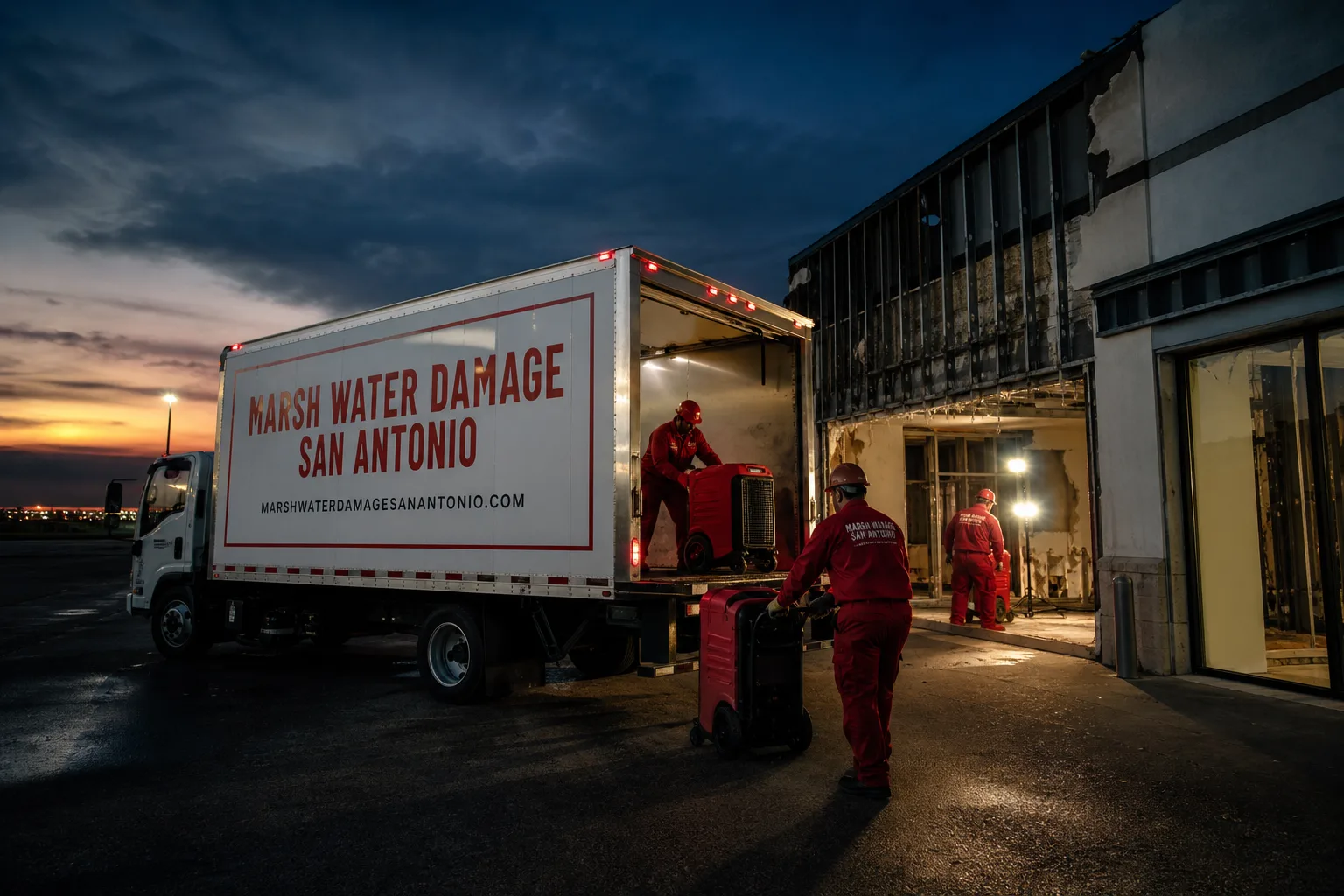
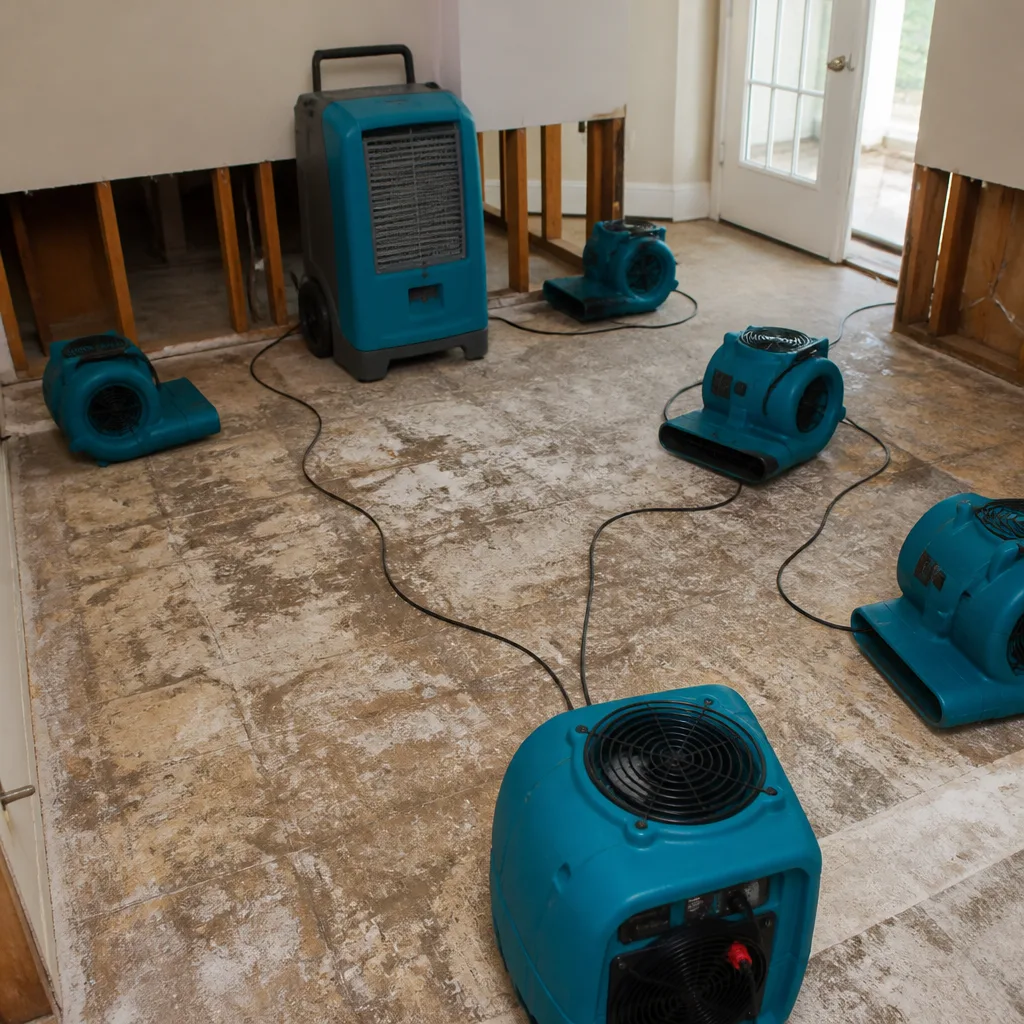
 Water damage drying
 Fire & smoke cleanup
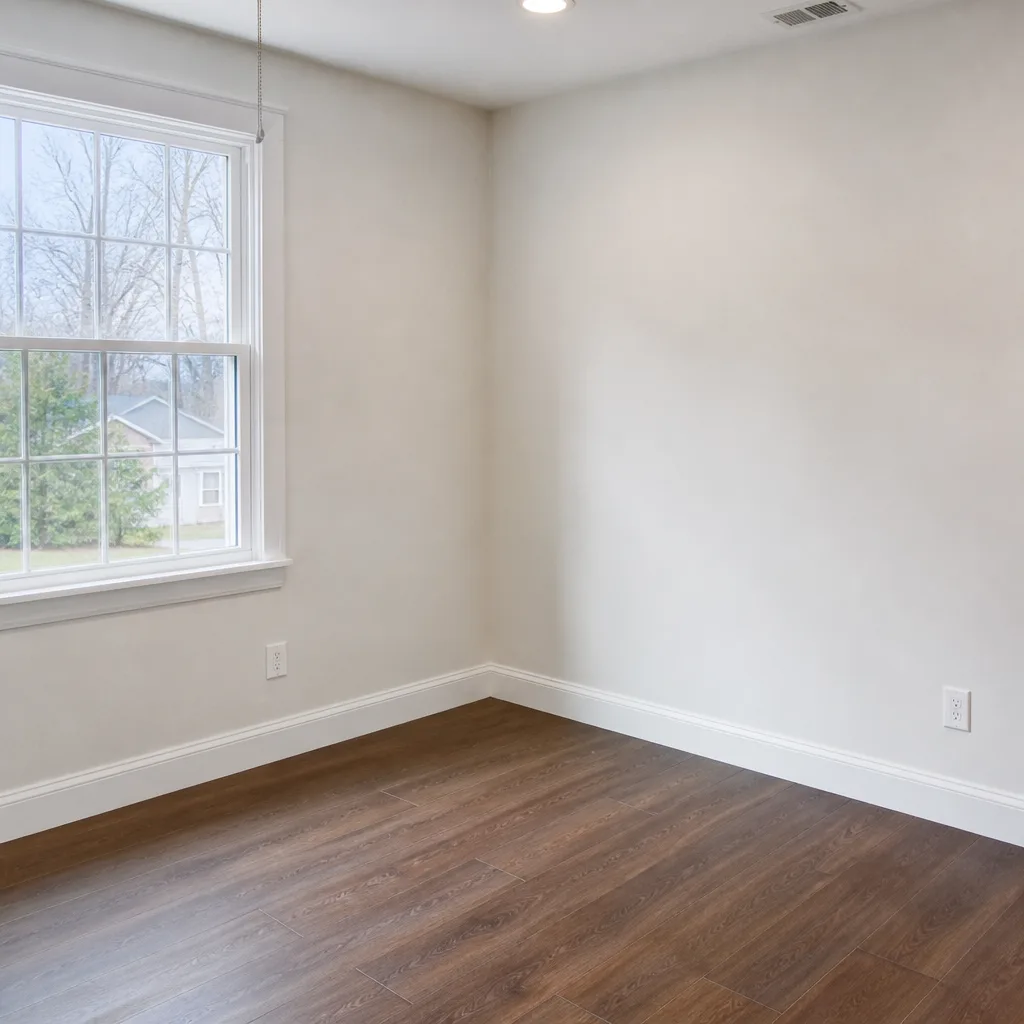 Mold remediation
 Storm response
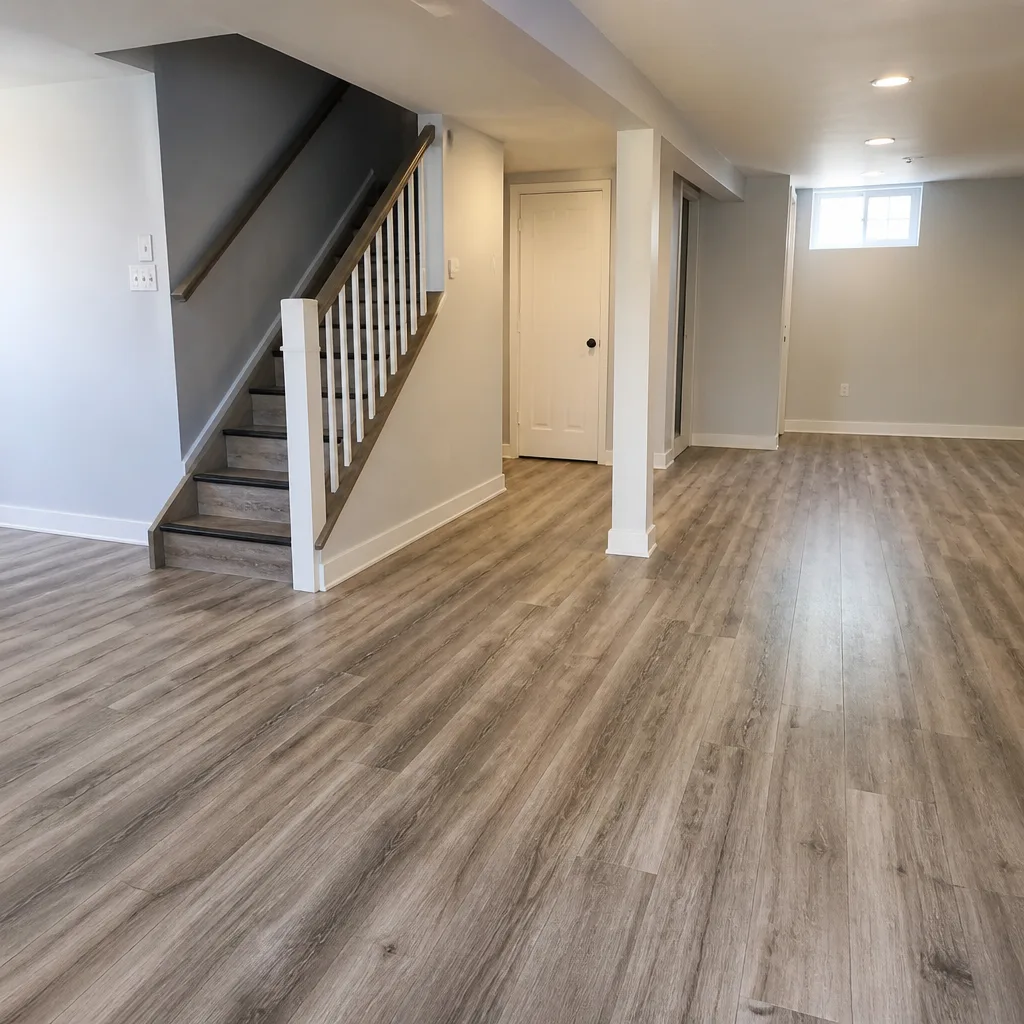 Sewage cleanup
 Reconstruction
Free visual inspection and a written scope of work before any mitigation begins - photos, moisture readings, and drying logs go in your claim file
The scope we write is the scope we bill. Anything new gets shown to you, in writing, before we touch it.
Get your free estimateFast, Reliable Water Damage Restoration Across Converse
When water is spreading through a Converse home, the first question is usually not “how much will this cost” but “how fast can someone get here.” A live person answers our phone at (325) 252-3917 around the clock, and our crews reach Converse neighborhoods including Escondido, Savannah Place, and the FM 1518 corridor typically within 60 to 90 minutes. We have worked on slab-on-grade homes throughout this part of Bexar County long enough to know that water damage here rarely starts where homeowners first notice it. The stain on the baseboard, the buckling vinyl plank in the hall, the musty smell in the game room – these are symptoms of a problem that usually began underground or at the roofline days earlier. Marsh Water Damage San Antonio sends IICRC-credentialed technicians who carry moisture meters, thermal imaging cameras, and the drying equipment needed to stop the damage before it spreads into the slab itself.
Why Marsh Water Damage San Antonio Is Converse’s Preferred Water Damage Restoration Company
Converse homeowners tend to ask harder questions than most. This is a community of newer, master-planned subdivisions where houses were built fast during the 1990s and 2000s boom, and residents have learned through experience that builder-grade drainage and plumbing choices create predictable failure points. We get calls from homeowners on Kitchner Road, Rocket Lane, and the streets off Schaefer Road who already suspect the problem is slab-related before we even arrive. They want a restoration company that understands expansive clay soil, PEX supply lines, and the way monolithic slabs move during the alternating drought and torrential rain cycles that define the Blackland Prairie. That knowledge shapes every drying plan we write. We are part of the Threshold Group family of restoration companies, founded in 2005, and every technician who walks through your door is background-checked, identity-verified, and sent to you by name and photo before the visit. Tobias Reyner, our owner, built the company around a simple promise that still governs every job: a written price before work begins, a written guarantee on every repair, and a 365-Day Done Right Promise that means if something is not right within a full year, we make it right at no charge.
Our response to Converse is coordinated from the San Antonio office, but the crews who show up know this city. They know that a ceiling stain in a second-floor game room after a hailstorm usually means damaged composition shingles up top. They know that a wet carpet edge in a Savannah Place living room often traces to an irrigation head spraying the foundation line. That local read on building patterns is why homeowners here call us back and why our strongest word-of-mouth growth has come from neighborhoods like Escondido and Savannah Place.
Restoration work we handle
Flood Damage Restoration in Converse
Flood Damage Restoration in Converse carries a specific meaning that differs from what a homeowner in older parts of San Antonio experiences. Here, flooding is rarely a river overflowing its banks. It is more often the result of heavy convective storms dropping several inches of rain in an hour onto hardiplank and brick-veneer homes whose exterior grading was never corrected after the builder finished the lot. The Blackland Prairie clay that makes up Converse’s soil absorbs water slowly, so runoff pools against foundation seams and finds its way through cold joints in the monolithic slab. Before we set a single air mover, we map the water path with moisture meters and thermal imaging, because in these homes water travels horizontally along the slab before it ever shows up as visible flooring damage.
Most residential flood extractions in Converse run between $1,800 and $4,200, depending on how many rooms are affected and whether the water has soaked into baseboards and drywall. The extraction itself is the smaller part of the bill; drying equipment, monitoring, and resetting the home’s moisture balance account for roughly two-thirds of the total. We write that price down on paper before any equipment comes off the truck.
Post-Storm Structural Drying
After a Converse hailstorm or heavy downpour, the water you see on the floor is only part of the problem. Moisture moves through drywall, wicks up behind baseboards, and settles under sheet vinyl and LVP flooring. Our structural drying plan uses psychrometric readings (measuring the moisture in the air inside wall cavities and under flooring) to determine when the structure is genuinely dry, not just dry on the surface. We set Dri-Eaz and Phoenix dehumidifiers, B-Air air movers, and in cases of hidden shower pan or behind-wall damage, an Injectidry injection drying system to force dry air into cavities without tearing out builder-grade drywall.
Storm Water Intrusion from Roof Damage
When hail damages composition shingles, water often enters the attic and travels along trusses before dripping onto second-floor ceilings. It can take weeks for the stain to appear. By then, insulation is saturated and the wall cavity is humid enough to grow mold. Our techs inspect the attic first, document the shingle damage for your insurance adjuster, then set containment and drying equipment inside the affected rooms. You get photo logs of everything we find, matched to a written scope of work.
Water Damage Cleanup in Converse
Water Damage Cleanup in Converse often begins with a phone call from a homeowner who has already pulled up the wet carpet pad and is standing in a damp slab-on-grade living room wondering what comes next. Cleanup means more than extraction. It means cutting out saturated drywall, removing wet insulation, treating the slab surface for microbial growth, and setting the home’s drying environment so that hidden moisture in the slab and wall cavities does not restart the damage cycle. In newer Converse homes with vinyl plank over concrete, water trapped between the plank and the slab can go unnoticed for months, until the planks start cupping at the edges and a musty smell rises from the floor joints.
A typical Converse water damage cleanup runs between $1,200 and $3,400 when the affected area is a single room or hallway. Larger losses involving multiple rooms, ceiling drywall, or damaged cabinetry run higher, and we provide the exact number in writing after our initial moisture assessment. That assessment is free, and it comes with a plain-English explanation of what we found and what your next step should be.
Category 1 Slab Leak Response
When a PEX supply line shears under a slab shift, the water is usually clean – what the restoration industry calls category 1. That does not mean it is harmless. Over days, even clean water picks up minerals and bacteria from the concrete and becomes category 2, the kind that requires antimicrobial treatment and more aggressive drying. We respond quickly to Converse slab leaks because the margin between a simple dry-out and a full flooring and baseboard replacement is often only 48 hours. The faster we shut off the water source, extract, and get air moving, the more of your home we save.
Irrigation Runoff and Foundation Wall Saturation
Converse yards are landscaped for curb appeal, which often means flower beds and sod run directly against the foundation. A misdirected sprinkler head spraying the brick veneer for two hours a day will saturate the clay soil, build hydrostatic pressure against the slab edge, and force moisture upward through the slab. That capillary rise shows up as darkened grout lines, peeling paint at the baseboard, and a persistent damp smell in closets on exterior walls. We fix the interior damage, then show you exactly which irrigation zone is causing it so the problem does not return next month.
Common Water Damage Restoration Problems We See in Converse Homes
- Expansive clay and slab cold joints. Blackland Prairie clay swells during wet periods and shrinks during droughts. That movement opens hairline cracks along the monolithic slab’s cold joints, and standing water against the foundation finds those cracks almost immediately. In Savannah Place and Escondido, we regularly see damage that begins as a small exterior drainage problem and becomes a wet interior floor after one heavy rain.
- PEX lines shearing at slab penetrations. In 1990s-2000s homes, PEX supply lines pass through sleeves in the slab. When the slab shifts slightly, the pipe shears or pulls loose at the fitting, and water leaks slowly into the surrounding soil or into the wall cavity. The first sign is often a warm spot on the floor or a baseboard that swells without any visible water.
- Hail-damaged shingles and slow ceiling leaks. Composition shingles take a beating in Converse’s convective storms, and the damage is often invisible from the ground. Water seeps through the mat, runs along the roof deck, and drips into second-floor rooms days or weeks later. By the time the ceiling stain appears, the wall cavity is usually wet enough to need drying and antimicrobial treatment.
- Builder-era exterior grading defects. Many Converse lots were graded to a minimum standard when the home was built, with the soil settling unevenly ever since. Roof runoff now flows toward the foundation instead of away from it, and the result is a chronic moisture problem at the base of exterior walls. In homes with hardiplank siding, this often hides behind the bottom course of siding until the subfloor and bottom plate are already damaged.
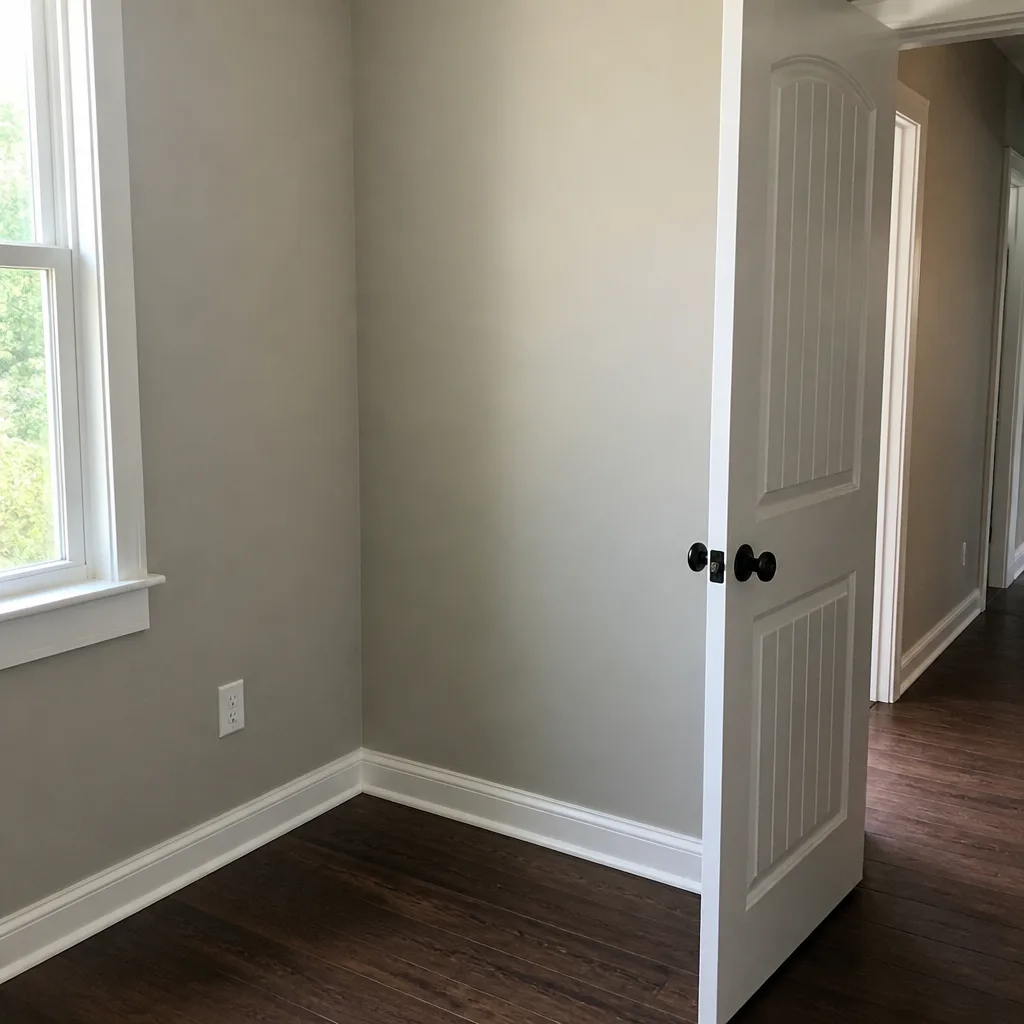
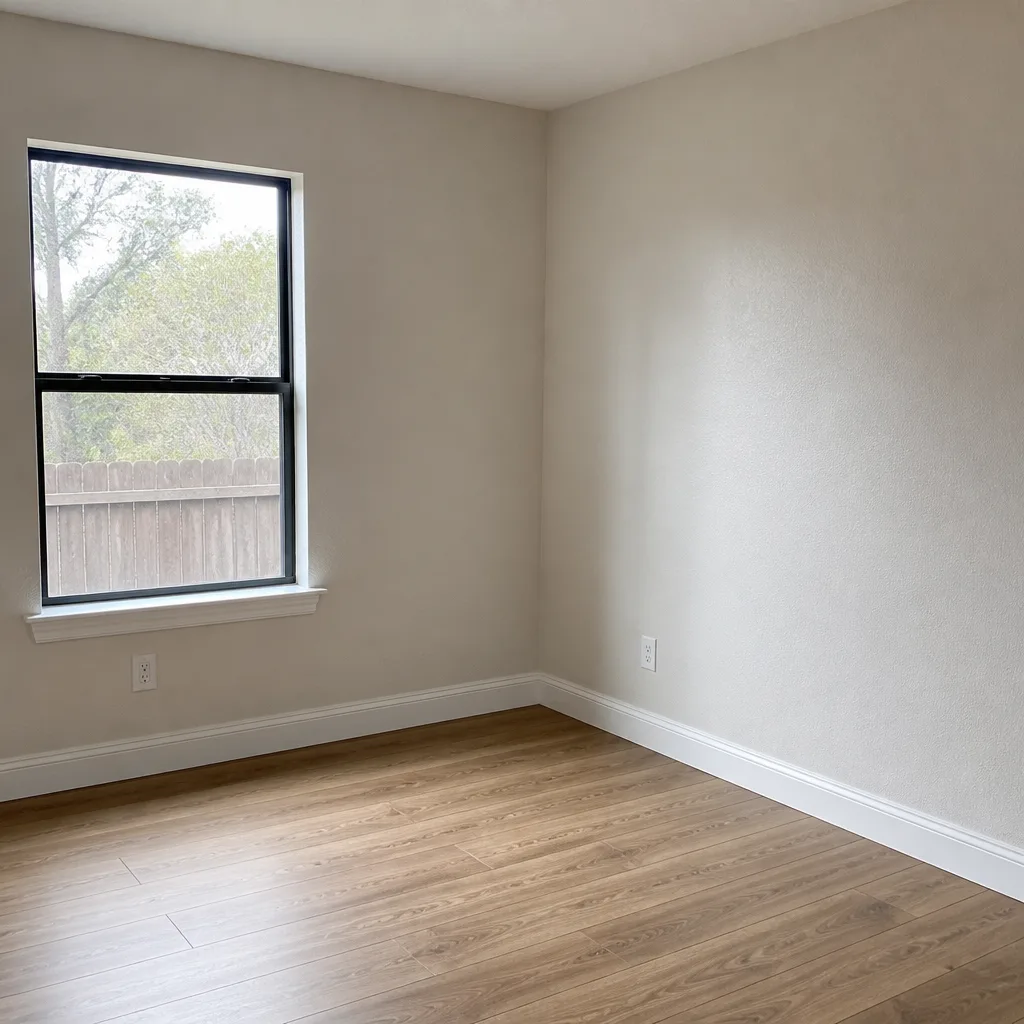
See the difference
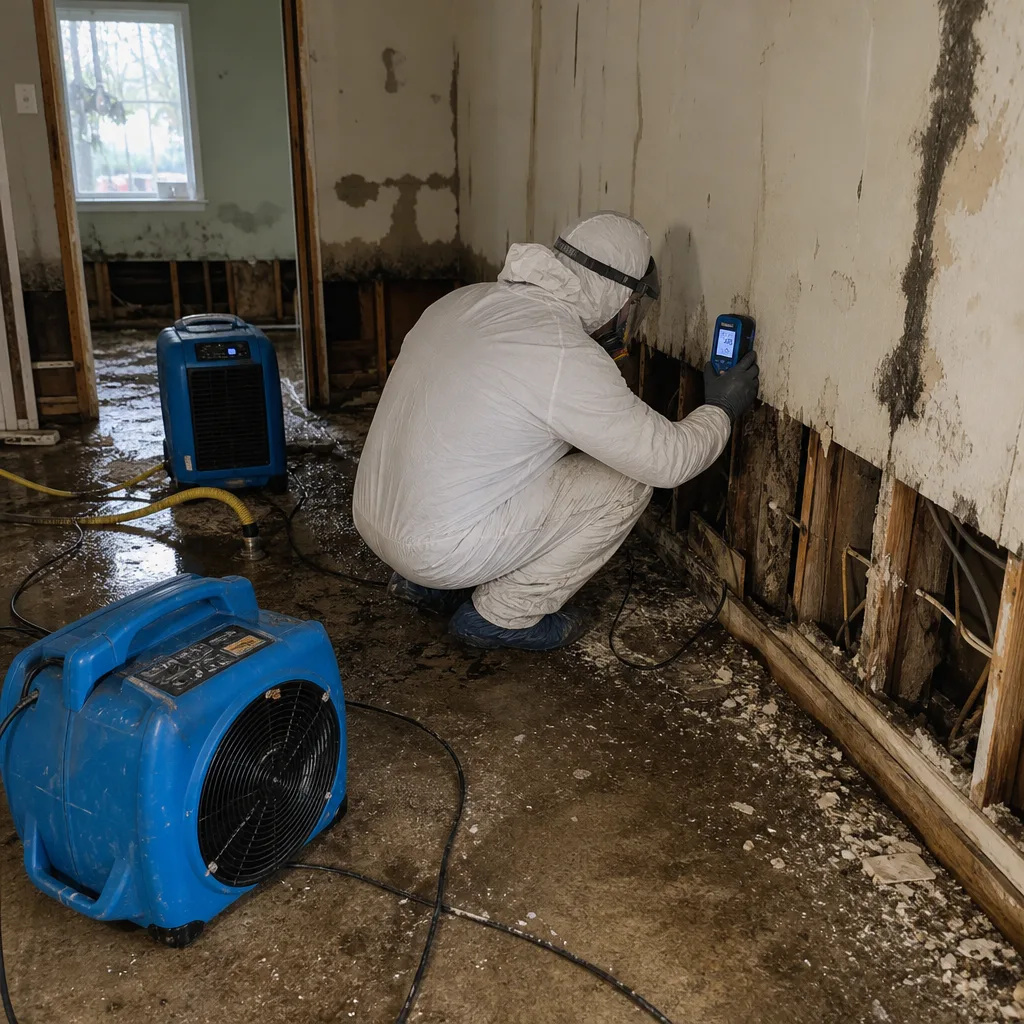 Before
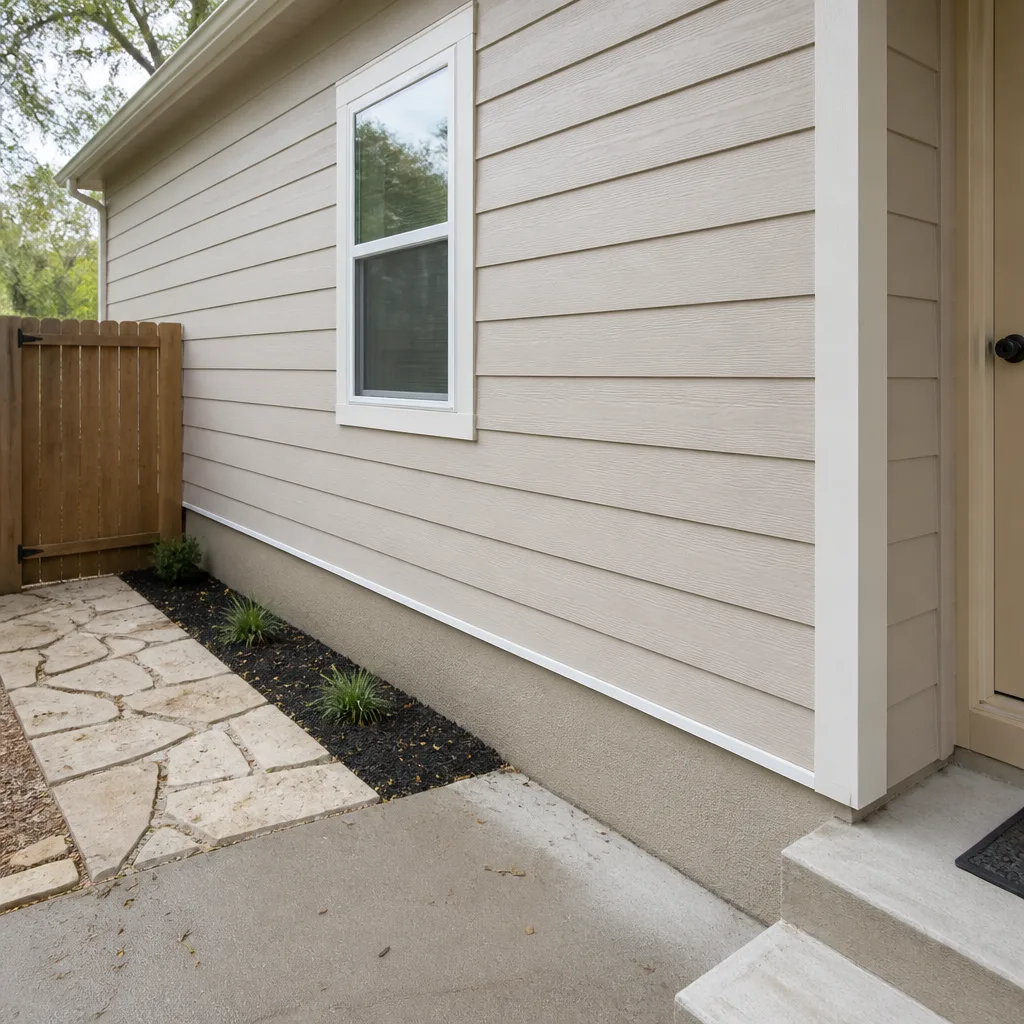 After
After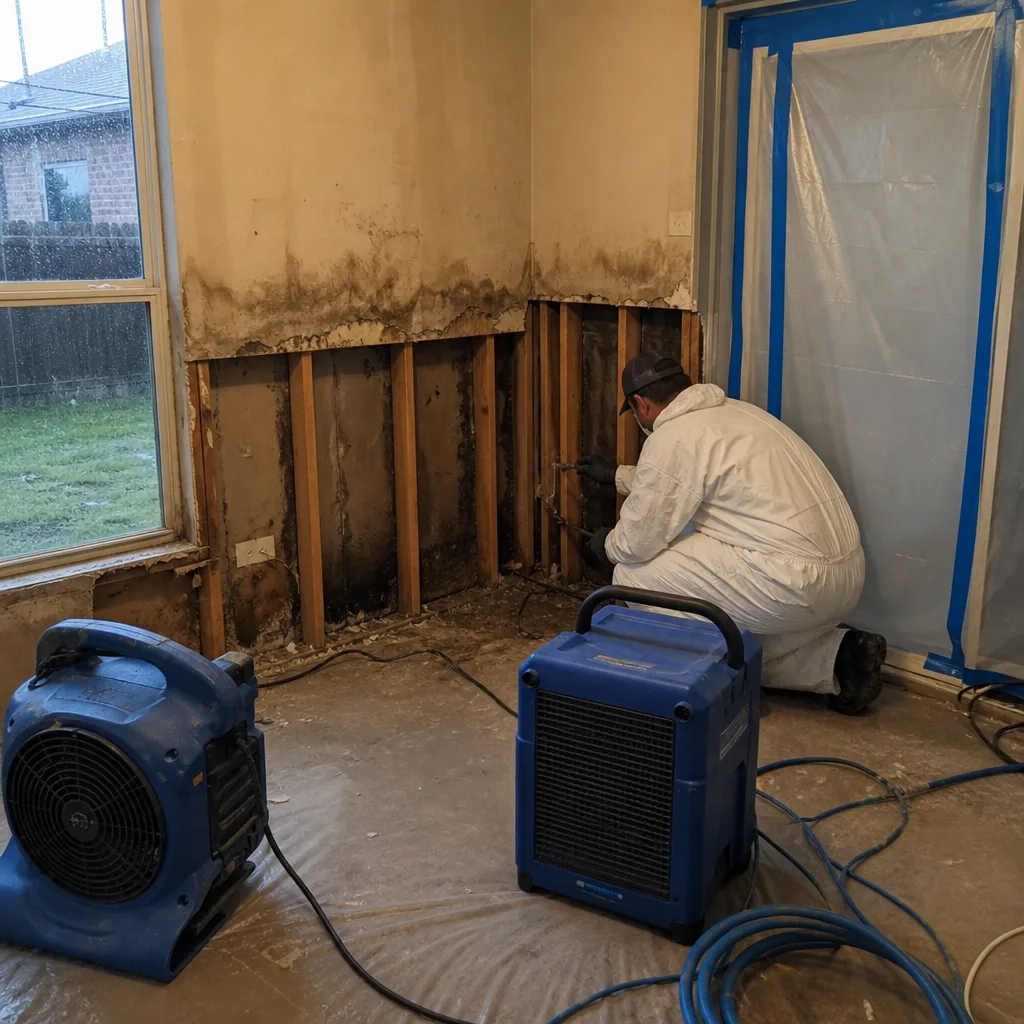 Before
 After
After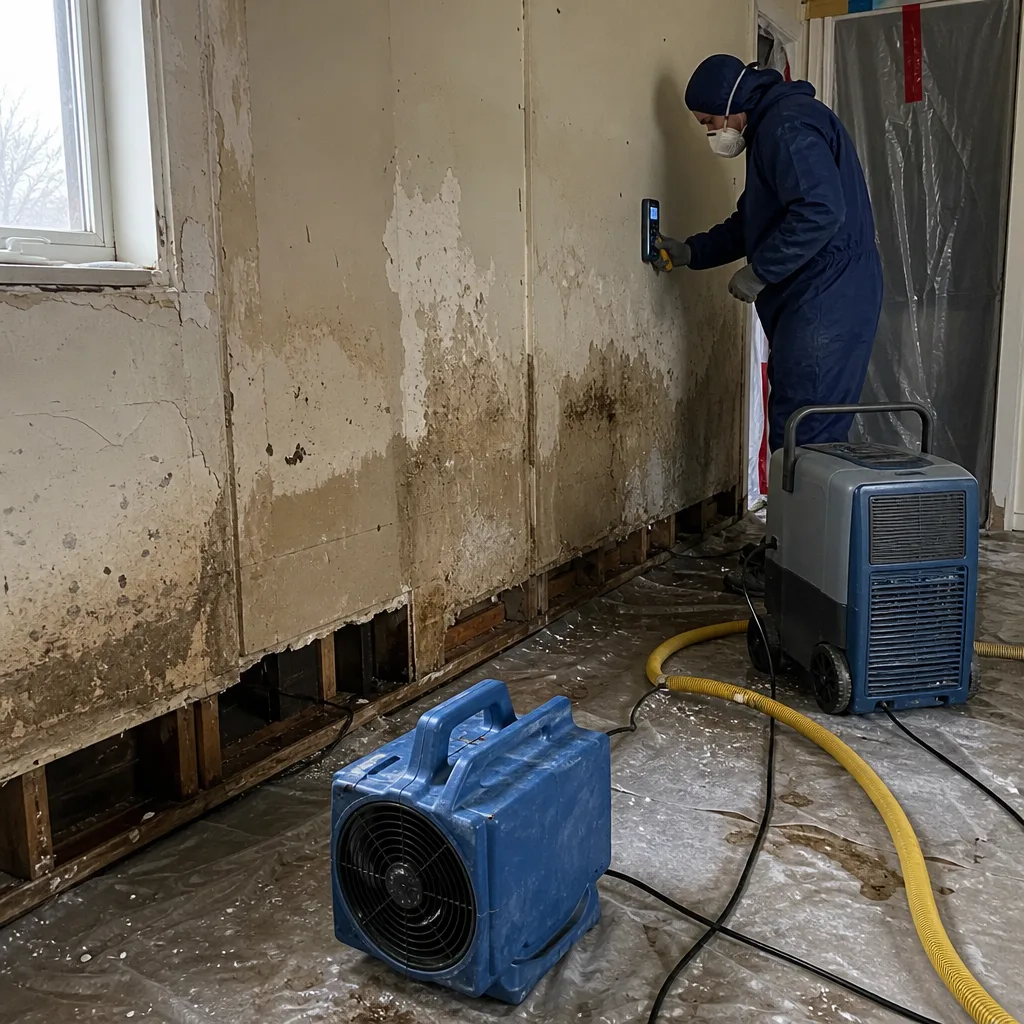 Before
 After
AfterPricing for Water Damage Restoration in Converse, TX
Expect a residential water extraction in Converse to run between $1,200 and $3,400 for a single room, with whole-home flood cleanup in the $4,000 to $8,500 range when multiple rooms, drywall, and insulation are involved. Structural drying with professional dehumidifiers and air movers typically costs $450 to $900 per affected room, including the monitoring visits that document your dry-out for insurance purposes. Several factors move the number: whether the water is category 1 or category 2, how far moisture has wicked up the drywall, whether flooring must come out, and whether a hail-damaged roof needs tarps before interior drying can begin. Every quote is written before we start. Call (325) 252-3917 and we will send a technician to your Converse home for a free assessment.
Trusted Brands We Service in Converse
We see a lot of build-to-order homes in Converse, and the equipment inside them matters when a water loss happens. Our drying setup includes Injectidry panels for wall cavities and hard-to-reach spaces, Phoenix dehumidifiers sized for the larger open floor plans common in Escondido and Savannah Place homes, and Dri-Eaz extraction tools matched to slab-on-grade conditions. Our technicians hold IICRC and RIA credentials, and some carry IFA certification for advanced structural drying. That combination of training and equipment gives you a drying plan that actually fits your home, not a one-size-fits-all pile of fans that runs for a week without ever hitting the moisture target. When you work with our Water Damage Restoration team, the equipment list is printed on your work order, so you can verify exactly what we set and why.
We Also Serve Cities Near Converse
Our dispatch covers the entire northeast Bexar County corridor. Beyond Converse, we run regular routes through Universal City, the northern San Antonio suburbs, and west to Boerne. If you are calling from a home right on the Converse city line, we will let you know which crew can reach you fastest.
Serving Converse, TX - Our Local Coverage Area
We’re based in the Converse area and know this community well. Use the map below to see our service coverage - if you’re nearby, we can almost certainly help.
FAQs About Water Damage Restoration in Converse
Because Converse sits on expansive Blackland Prairie clay that swells and shrinks with every wet-dry cycle, putting constant pressure on monolithic slab foundations. Homes built since the 1990s here are almost all slab-on-grade, so water enters through cold joints, slab penetrations, and capillary rise far more often than it pours through the roof. A generic water damage company will look for a plumbing leak first; we look at the soil, the grading, and the irrigation system, because that is where Converse water problems actually start. Call (325) 252-3917 and we will walk the property with you.
Within 24 to 48 hours of the storm, even if you cannot see any interior damage yet. Hail fractures in composition shingles let water through slowly, and once it reaches the attic insulation and wall cavities, the drying job becomes larger and more expensive. We can inspect the roof, tarp the damaged section if needed, and set drying equipment in the rooms below before the moisture spreads. The longer you wait, the more likely you are replacing drywall instead of just drying it.
Most slab leaks start as category 1 water, meaning it comes from a clean supply line. But in a Converse slab-on-grade home, that water sits against concrete and picks up minerals, soil organisms, and whatever is in the flooring adhesive. Within 48 to 72 hours it degrades to category 2, which needs antimicrobial treatment and a more involved drying protocol. That is why we treat every Converse slab leak as urgent: a fast response keeps the job in the category 1 range and saves your flooring.
Yes. In communities like Savannah Place and Escondido, the lots were graded for speed of construction, not long-term drainage. Roof runoff channels toward foundation seams, flower beds hold water against the brick veneer, and irrigation zones spray the slab edge. We look at all three on every Converse estimate, because the water on your floor usually got there through one of these builder-era shortcuts. Fixing the interior damage without correcting the exterior drainage just means you will call us again next rainy season.
Often, yes. In many Converse homes we use Injectidry injection drying to force dry air into wall cavities through small access holes, which means your builder-grade drywall stays in place while the inside dries out. It works well when the moisture has not been present long enough to destroy the gypsum board. If the drywall is saturated, soft, or contaminated with category 2 water, it has to come out. Our technician will show you the moisture readings and explain which path applies to your specific loss before recommending anything.
Written by Tobias Reyner, Owner at Marsh Water Damage San Antonio, serving Converse and the surrounding northeast Bexar County communities since 2005.