
Last updated October 16, 2026
 Water damage drying
 Fire & smoke cleanup
 Mold remediation
 Storm response
 Sewage cleanup
 Reconstruction
Free visual inspection and a written scope of work before any mitigation begins - photos, moisture readings, and drying logs go in your claim file
The scope we write is the scope we bill. Anything new gets shown to you, in writing, before we touch it.
Get your free estimateDamage Restoration Cost Breakdown: The San Antonio Homeowner’s Reference for 2026
The national average for water damage restoration sits around $3,800, but that number hides more than it reveals. In San Antonio, we routinely see residential jobs come in anywhere from $2,200 to $12,000, and the gap comes down to four variables most estimates never explain. The difference between a fair invoice and an inflated one is knowing what those variables are before you sign anything. This guide walks you through the line items, the market rates, and the questions to ask so you walk into an estimate already knowing what the contractor should be charging, and you can find more guides & resources on our blog.
Quick Answer
Water damage restoration in San Antonio typically costs between $2,200 and $12,000 depending on the water category (clean, gray, or black), the affected square footage, and which materials got wet. A standard 200-square-foot clean-water extraction with drying equipment runs roughly $2,500 to $4,500, while a full remediation involving sewage or contaminated water across multiple rooms can reach $11,000 to $12,000 or more. The best defense against an inflated invoice is a written price before work starts and a clear understanding of the line items below.
Restoration work we handle
Table of Contents
- The Line-Item Breakdown: What’s Actually on a San Antonio Restoration Invoice
- The Three Legitimate Cost Variables That Change Everything
- Equipment-Day Billing: How Contractors Charge for Machines and How to Keep Them Honest
- The Insurance Gap: What Your Adjuster Misses and How to Close It
- Written Price Guarantees: What They Cover, What Change Orders Look Like, and the Language to Watch For
- San Antonio-Specific Factors: Climate, Code, and Market Conditions
- Common Mistakes to Avoid
- When to Call a Professional
The Line-Item Breakdown: What’s Actually on a San Antonio Restoration Invoice
Restoration invoices are built to be hard to read. Line items use trade shorthand, codes, and unit pricing that don’t map to anything a homeowner can verify. But every charge on a legitimate invoice corresponds to a real task with a real market rate. Here’s what a typical San Antonio water damage restoration invoice actually contains, with 2026 market ranges for each line.
Water Extraction
Typical range: $350 to $1,200 per affected area
This is the first task on any water job and covers truck-mounted or portable extraction units pulling standing water out of carpet, padding, and hard surfaces. The price depends on water volume, access difficulty, and whether subfloor extraction is needed. In our experience across San Antonio, an average master bedroom with soaked carpet runs $450 to $650 for extraction alone. A flooded garage or utility room with hard-surface water typically lands closer to $350.
Containment and Contents Handling
Typical range: $200 to $2,500 depending on scope
Containment means sealing off the affected area with plastic sheeting to prevent cross-contamination. Contents handling covers moving furniture, packing out belongings, and in severe cases, off-site storage and restoration of textiles and documents. On a small clean-water job, this might be $200 to $400. On a multi-room sewage loss, contents pack-out and storage can add $1,500 to $2,500.
Drying Equipment Rental (Per Day)
Typical range: $45 to $75 per air mover per day; $95 to $160 per dehumidifier per day
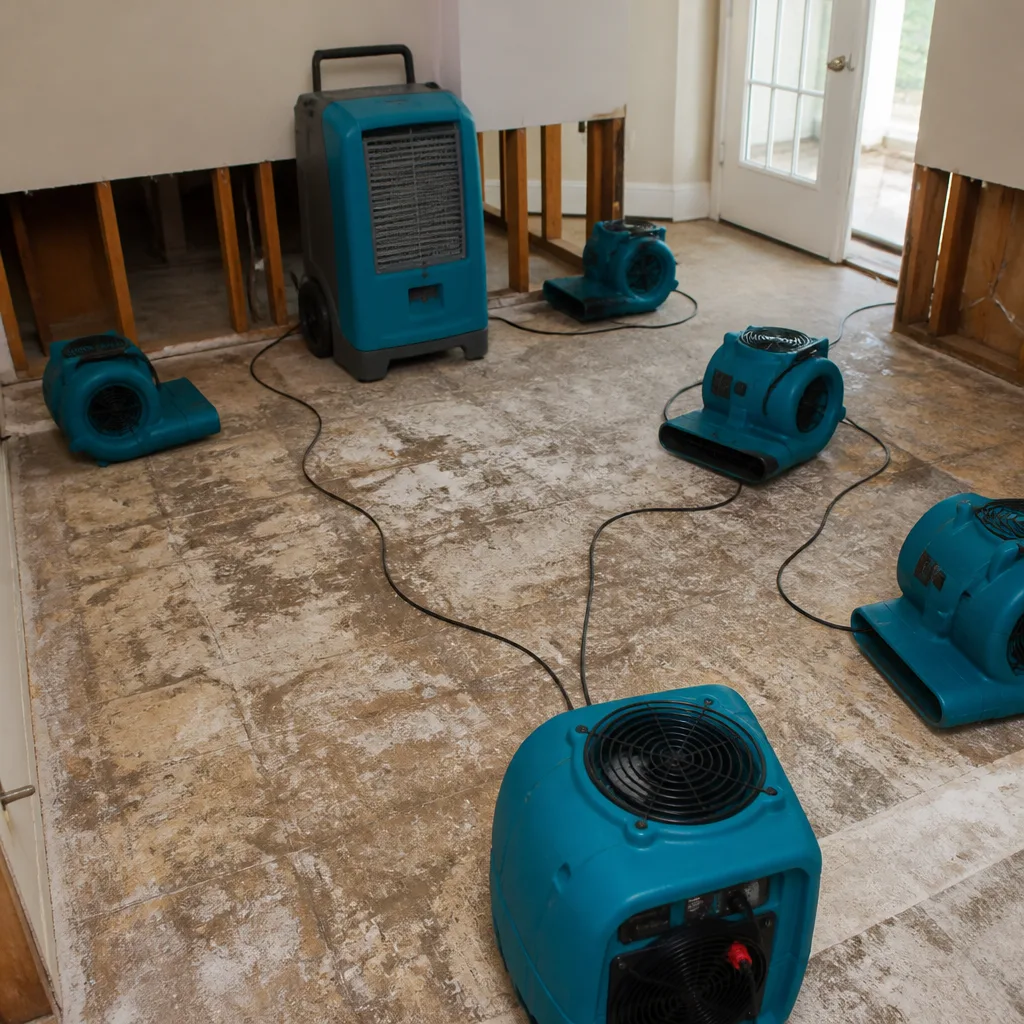
This is the line most homeowners get burned on. Standard practice is to place multiple air movers and at least one dehumidifier in the affected area. A 200-square-foot room typically needs three to four air movers and one dehumidifier, running a combined $230 to $460 per day in San Antonio. If a company leaves that equipment for ten days, you’re paying $2,300 to $4,600 for drying alone. More on how to keep this honest below.
Labor (Per Technician Per Hour)
Typical range: $65 to $110 per technician hour
San Antonio restoration labor rates have climbed steadily since 2020. A two-person crew on an eight-hour day runs $1,040 to $1,760 in labor. Emergency after-hours calls typically bill at a 1.5x to 2x multiplier. Make sure the estimate lists labor hours separately from equipment rental, not bundled into a vague “drying package” that obscures how many people were actually on site.
Demolition and Disposal
Typical range: $500 to $4,500 depending on material and area
Removing wet drywall, baseboards, carpet, and padding is charged per square foot plus a dump fee. Drywall removal in San Antonio runs $1.50 to $3.50 per square foot. Full carpet and pad removal runs $1 to $2 per square foot. Dump fees for a standard trailer run $150 to $400. A single bathroom tear-out usually lands around $800 to $1,500. A flooded first floor with multiple rooms of drywall removal can hit $4,000 or more.
Antimicrobial Application
Typical range: $150 to $900
After demolition, professional-grade antimicrobial agents are applied to framing and remaining surfaces to prevent mold growth. This is a standard line item on gray and black water jobs, and on any clean-water job that sat for more than 24 hours. The price scales with affected square footage.
Reconstruction
Typical range: $1,500 to $15,000+
Rebuilding after demolition is the widest variable. Drywall replacement, texture match, paint, baseboard installation, carpet reinstallation, and fixture replacement all fall here. A basic single-room rebuild after a clean-water loss often runs $2,000 to $5,000. A full kitchen tear-out and rebuild after a supply line break can exceed $15,000. This is also the line where unscrupulous contractors hide profit. Get itemized material and labor breakdowns for reconstruction work, not a single lump sum.
If you’re dealing with water damage right now and want a walkthrough of what a full Water Damage Restoration in San Antonio job looks like from start to finish, that guide covers the full process.
The Three Legitimate Cost Variables That Change Everything
Two houses on the same street can flood on the same day and produce invoices $6,000 apart, and both invoices can be completely fair. Here’s why.
Variable 1: Water Category (Clean vs. Gray vs. Black)
The insurance industry and restoration industry both use a three-category water classification system, and it’s the single biggest driver of price. Category 1 is clean water from a supply line, faucet, or tub overflow. It’s the cheapest to remediate because you’re mainly drying, not sanitizing. Category 2, called gray water, contains some contamination: washing machine discharge, dishwasher overflow, or clean water that sat for more than 24 hours. Category 3 is black water: sewage, floodwater from outside, or any water that’s been in contact with human or animal waste.
In San Antonio, a Category 1 loss in a single room can often be dried without demolition at all, landing in the $2,200 to $3,500 range. A Category 3 sewage backup in the same room requires full removal of affected drywall, carpet, and baseboards, plus antimicrobial treatment on framing, pushing the same square footage past $7,000. It’s not a markup: it’s genuinely more work, more material, more labor, and more disposal.
Variable 2: Affected Material
What got wet matters as much as how much got wet. Drywall is the cheapest material to remediate because it’s cut, removed, and replaced. Hardwood flooring sits in the middle; it can sometimes be saved with professional drying, but if cupping or warping sets in, it’s a full replacement at $8 to $14 per square foot in the San Antonio market. Concrete slab, common in San Antonio’s slab-on-grade foundation construction, is actually the cheapest to dry because concrete doesn’t absorb water the way wood does. But here’s the catch: if water got under the slab, you’re looking at specialized drying mats and extended equipment time. A wet concrete slab with water trapped underneath can require equipment for 10 to 14 days, versus three to five days for a drywall-and-carpet loss.
Variable 3: Square Footage of Affected Area
This one’s straightforward but worth understanding properly. Restoration pricing scales with affected square footage, not total home square footage. A 3,000-square-foot home in Alamo Heights with 150 square feet of water damage pays less than a 1,200-square-foot home in Leon Valley with 400 square feet of water damage. When you get an estimate, verify the affected square footage on the paperwork. It should match the rooms you can see are wet. If the estimate lists more square footage than what’s visibly affected, ask the contractor to show you where the additional area is.
For mold-specific pricing and how mold remediation costs differ from water damage restoration, see our guide on Mold Remediation in San Antonio.
Equipment-Day Billing: How Contractors Charge for Machines and How to Keep Them Honest
Equipment-day billing is where the most money leaks out of restoration invoices, and most homeowners never question it because it’s wrapped in trade language. Here’s how the system works and how to protect yourself.
The contractor places air movers and dehumidifiers in your home and charges a daily rental rate for each unit. The justification is that the equipment must stay in place until the structure reaches a specific dryness standard. Here’s the problem: some contractors leave equipment running longer than necessary because every additional day is pure profit on the invoice.
How to Verify Equipment Timeline: A 4-Step Process
- Ask for the starting moisture readings. Before drying begins, the technician should record baseline moisture content in affected materials and the ambient humidity in the room. This is standard procedure for any credentialed restoration company. If they can’t show you baseline readings, that’s a red flag.
- Request daily moisture logs. Every day the equipment runs, the technician should return and record updated readings. These logs show the drying curve: moisture content in the drywall dropping, ambient humidity coming down. A legitimate company has these logs generated by their equipment and can show them to you on request. They are not optional paperwork; they are the justification for every equipment-day billed.
- Ask what the drying goal is. The standard target is to return affected materials to their dry standard, which varies by material but is typically 8 to 14 percent moisture content for wood and drywall. The contractor should state the target number before starting. If they won’t give you a number, they’re not running a scientific drying process.
- Verify equipment is actually running each day. This sounds paranoid, but it’s worth doing. Air movers make obvious noise and dehumidifiers produce visible condensate. If you come home and the equipment isn’t running or the collection tray is bone dry on a dehumidifier, call the contractor immediately. You are paying for equipment-days, not equipment-runs-sometimes.
At Marsh Water Damage San Antonio, we run Dri-Eaz and Phoenix drying equipment with moisture mapping on every job, and we show our daily logs to every customer who asks. That’s not a special service. It’s the minimum standard for being able to answer the question, “Why is this still running?”
The Insurance Gap: What Your Adjuster Misses and How to Close It
If you have homeowners insurance, your adjuster will produce an estimate for the restoration scope. Your contractor will produce a scope for the same job. The two documents will not match, and the gap can be $3,000 to $15,000. Understanding what each side sees is how you avoid paying out of pocket for work your policy should cover.
What Adjusters Typically Underestimate
- Demolition and debris removal. Adjuster software often underestimates the labor involved in cutting out wet drywall in real-world conditions. Demolition behind cabinets, under vanities, and in tight mechanical closets takes longer than the per-square-foot assumptions built into estimating software.
- Drying time. An adjuster’s estimate might assume three days of equipment for a loss that realistically needs five to seven. If the contractor’s daily moisture logs show the longer timeline is justified, you have a case for the additional days.
- Contents handling. Moving a dining room set, rugs, books, and electronics out of a flooded room is real labor, and adjuster estimates often don’t account for the time involved in carefully packing out a household rather than just shoving things aside.
- Reconstruction finish work. Drywall replacement is standard in adjuster estimates, but texture matching, paint matching, and trim matching often get shorted. In a San Antonio home with knock-down texture on the walls, matching that texture after a repair requires real skill and time.
How to Negotiate the Gap Without a Public Adjuster
- Get the contractor’s scope in writing before work starts. A credible contractor writes a scope that includes all demolition, drying, and reconstruction work, itemized. This is the document you’ll compare against the adjuster’s estimate.
- Compare line items directly. Go through both documents and mark every line where the contractor includes work the adjuster doesn’t. This is usually where the gap lives, and it’s usually real work, not padding.
- Request the contractor’s documentation. Photos of the affected area, moisture readings, and daily logs all support the contractor’s case. Send these to your adjuster. Adjusters respond to evidence, not arguments.
- Ask the contractor to walk the job with the adjuster. This is standard industry practice. A contractor who can show the adjuster the actual moisture in the framing and the actual demo work in progress has a much better chance of getting the additional line items approved.
The alternative to all this back-and-forth: work with a contractor who handles adjuster communication directly. When we handle a Storm Damage Restoration in San Antonio job, our technicians document every step and coordinate with the adjuster so the homeowner isn’t running a project management operation from their kitchen table.
Written Price Guarantees: What They Cover, What Change Orders Look Like, and the Language to Watch For
A written price before any work starts is the single most important protection a homeowner has against restoration invoice inflation. But not all written prices mean the same thing. Here’s what to look for.
What a Real Written Price Includes
- A total dollar figure for the defined scope of work. Not a rate sheet. Not a per-hour estimate with no top end. A number, in writing, for the work described.
- Clear line items for every category. Extraction, equipment, labor, demolition, disposal, and reconstruction should each appear with a dollar figure or clear unit pricing.
- The defined scope of work. This is the section that says what exactly will be done. If this section is vague, the price is meaningless. A real scope says “remove and replace 212 square feet of drywall in the living room, including baseboards and insulation” not “remediate affected area as needed.”
- Equipment-day assumptions. The price should state how many days of equipment are included in the quote. “Up to 5 equipment-days” is a real commitment. “Equipment for as long as needed” is not a price; it’s an open tab.
What Legitimate Change Orders Look Like
Sometimes the job genuinely changes. What looked like clean water turns out to be gray. The moisture mapping reveals damage behind a wall that couldn’t be seen during the initial estimate. A legitimate change order is a written document showing the additional work, the additional price, and the reason. You sign it before the additional work begins. Nothing about it is verbal, handwritten on the back of an invoice, or added to the final bill without discussion. At Marsh Water Damage San Antonio, every job starts with a written price, and no work beyond the original scope happens without a signed change order. That’s how our company has operated in San Antonio since 2005, and it’s printed on every work order we hand down.
Language to Watch For That Allows After-the-Fact Charges
- “And any additional work deemed necessary.” This is the most common loophole. It allows the contractor to add scope without a change order. Cross it out or ask for it to be removed.
- “All work performed on a time and materials basis.” This means you’re paying the open-ended rate with no cap. Fine for small jobs if you trust the contractor, but unacceptable for a multi-thousand-dollar restoration.
- “Equipment rental billed at actual duration.” Without a stated daily rate and a process for justifying each day, this line item can balloon. Demand daily rates and the moisture-log process described above.
- “Disposal fees as incurred.” Disposal should be estimated in the original price. “As incurred” is an invitation to itemize mystery fees.
San Antonio-Specific Factors: Climate, Code, and Market Conditions
San Antonio’s climate and construction patterns create restoration conditions that don’t exist in Dallas or Houston, and they affect both cost and timeline.
The Climate Factor
San Antonio’s summer relative humidity regularly sits above 60 percent, which means ambient air is already holding enough moisture to slow down drying. A structure in San Antonio in July dries slower than the same structure in El Paso in July. This is genuinely real, and it means equipment days stack up faster here. Contractors who work in San Antonio know this. Contractors who don’t underbid the drying phase and then hit you with a change order for additional equipment days. The fix is the same as everywhere else: demand daily moisture logs and verify the drying curve is actually moving.
The Slab Foundation Factor
A large share of San Antonio homes are built on slab-on-grade foundations, particularly outside the Loop. When water penetrates under a slab, the drying challenge is entirely different than in a pier-and-beam home in an older neighborhood like Monte Vista. Drying a saturated slab edge requires specialized floor mat systems (Injectidry is one manufacturer we use regularly) that sit under negative pressure and pull moisture out through the slab. This equipment runs $150 to $300 per day per mat and often needs to stay in place for a week or longer. A homeowner who doesn’t understand why their slab drying is taking two weeks is one phone call away from being convinced it’s taking too long. A homeowner who understands the physics knows the timeline is legitimate.
The Code and Permit Factor
San Antonio requires permits for reconstruction work that exceeds cosmetic repair. If your water loss involves structural framing replacement, you’ll need a permit from the City of San Antonio Development Services Department. Permit costs for typical residential repair fall in the $100 to $500 range depending on scope, and the permitting process can add three to ten days to a rebuild. A reputable restoration contractor handles permitting and includes the cost in the original written price. A contractor who says “we don’t need a permit for this” on structural work is putting you at legal risk.
The Market Factor
San Antonio’s restoration contractor market is competitive, but it’s also crowded with companies that came in after the 2021 winter storm and the 2023-2024 storm seasons. Some of these are national franchises with standardized pricing and high turnover. Others are small operators with a truck and a pump who underbid jobs and then disappear mid-project. Neither extreme serves the homeowner. The middle ground is a contractor who has been working here long enough to have seen the market cycle, carries proper credentials, and puts a written price and a written guarantee on every job. If you want to see what that looks like on the Marsh Water Damage San Antonio home page, our process and guarantees are laid out in plain words.
Common Mistakes to Avoid
- Signing an authorization form before seeing a written price. In the urgency of a flood, many homeowners sign anything. An authorization to begin work is not the same as agreeing to a price. You can authorize emergency mitigation (water extraction and initial drying setup) and insist on a written price before any demolition or reconstruction begins.
- Choosing the lowest bid without comparing scopes. A $2,000 bid and a $4,000 bid for the same job rarely describe the same work. Compare the scope of work sections line by line before comparing totals.
- Ignoring the water category. Treating Category 3 water as if it’s Category 1 because it’s cheaper is how homes in San Antonio end up with hidden mold inside walls six months later. The category is a safety and health classification, not a billing preference.
- Not asking for daily moisture logs. Every equipment-day on your invoice should be justified by a log entry. Contractors who won’t share logs are contractors you shouldn’t pay for undocumented equipment time.
- Handling insurance negotiation alone when the gap is large. If the contractor’s scope and the adjuster’s estimate are thousands of dollars apart, you need a contractor who will walk the adjuster through the evidence. A contractor who refuses to speak with your adjuster is a contractor who doesn’t want their scope scrutinized.
- Waiting to call because you’re worried about the cost of a service call. Water damage compounds hourly. A Category 1 clean-water loss starts growing mold in 24 to 48 hours in San Antonio’s humidity. A $500 extraction call on day one beats a $5,000 remediation on day five. Most San Antonio restoration companies, including Marsh Water Damage San Antonio, offer free estimates, so the phone call costs you nothing but the delay costs you real money.
When to Call a Professional
Some water incidents are DIY-moppable: a small clean-water spill that’s noticed immediately and dried within hours. Anything beyond that deserves a professional assessment, and the threshold is lower than most homeowners think. See our DIY vs Professional Damage Restoration: The San Antonio Homeowner’s Decision Guide for help deciding. Call a restoration company if water has been sitting for more than a few hours, if it has contacted drywall or flooring, if it came from anything other than a clean supply line, or if you can smell mustiness that wasn’t there before. Marsh Water Damage San Antonio offers free estimates in San Antonio, and our technicians are background-checked, identity-verified, and sent to your door by name and photo before the visit. Call (325) 252-3917 and you’ll speak to a live person who can walk you through next steps.
See the difference
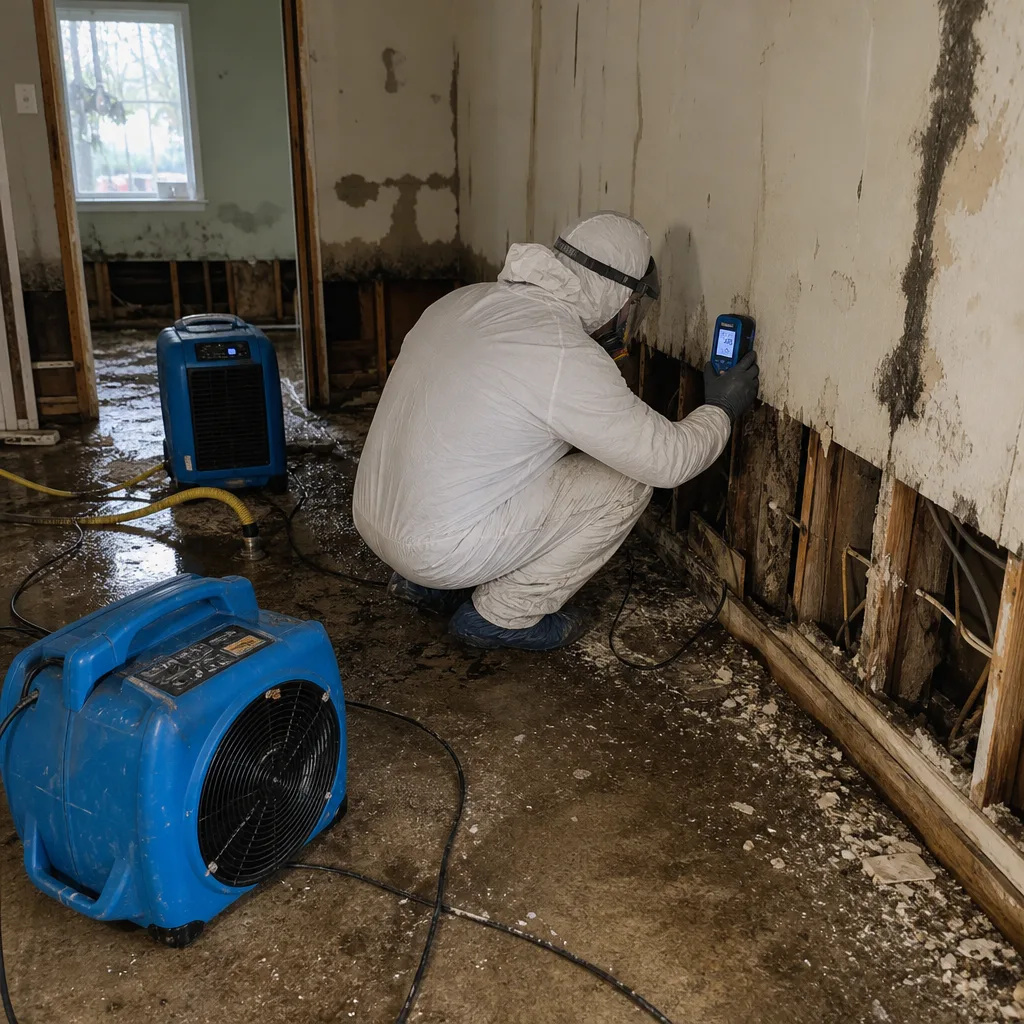 Before
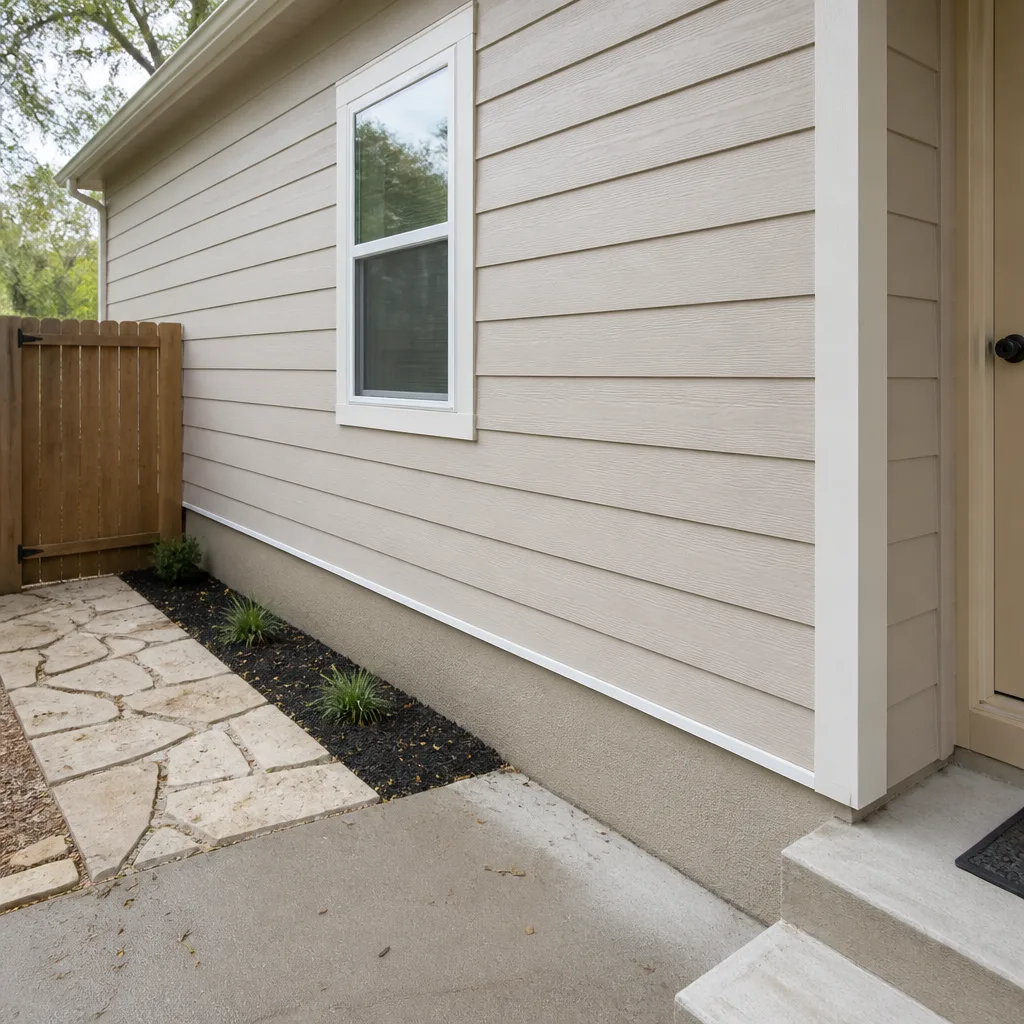 After
After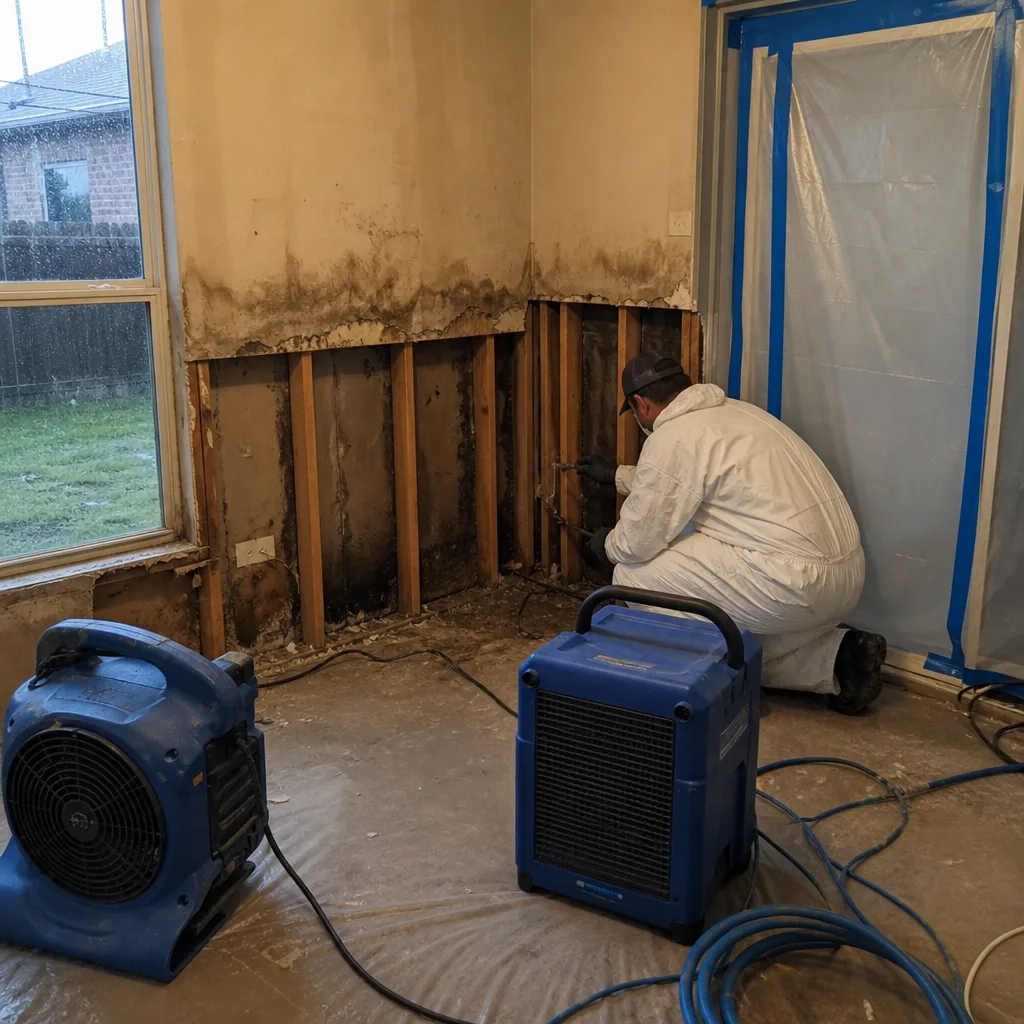 Before
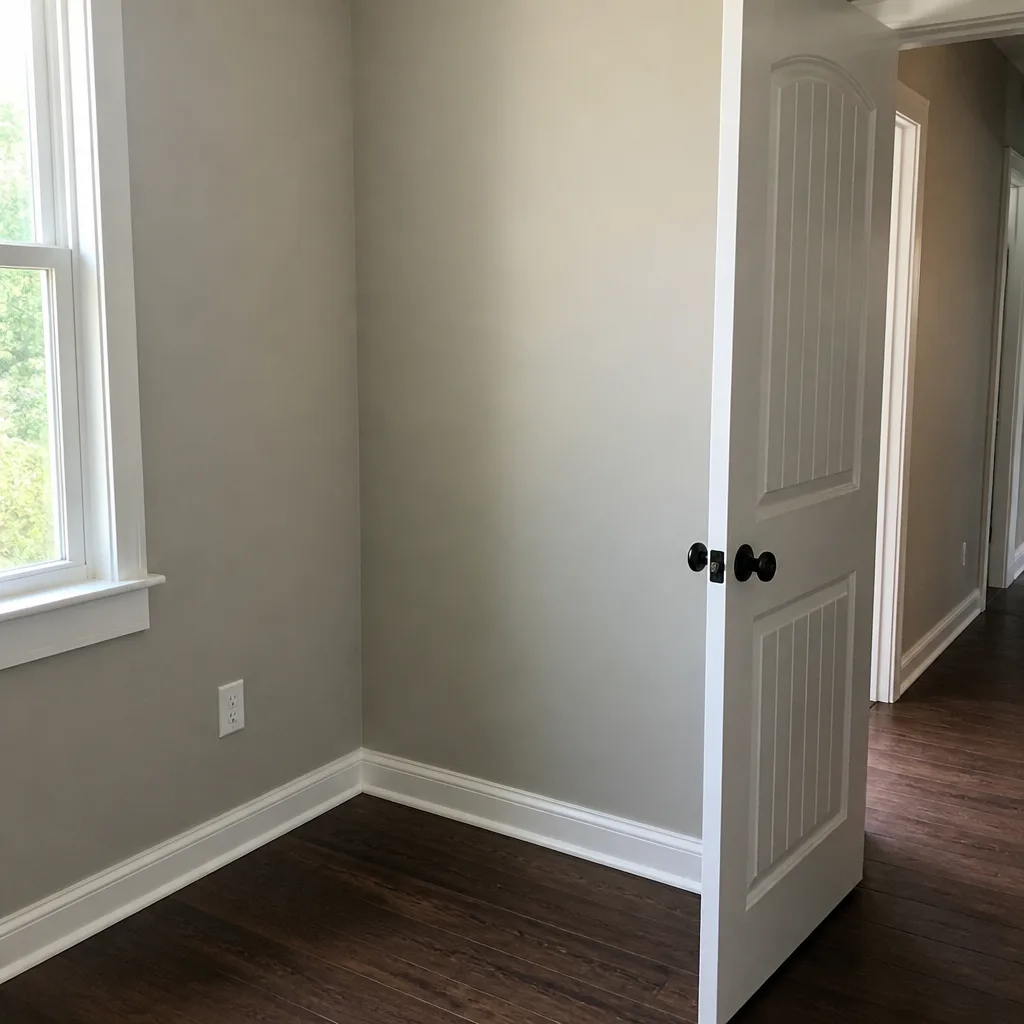 After
After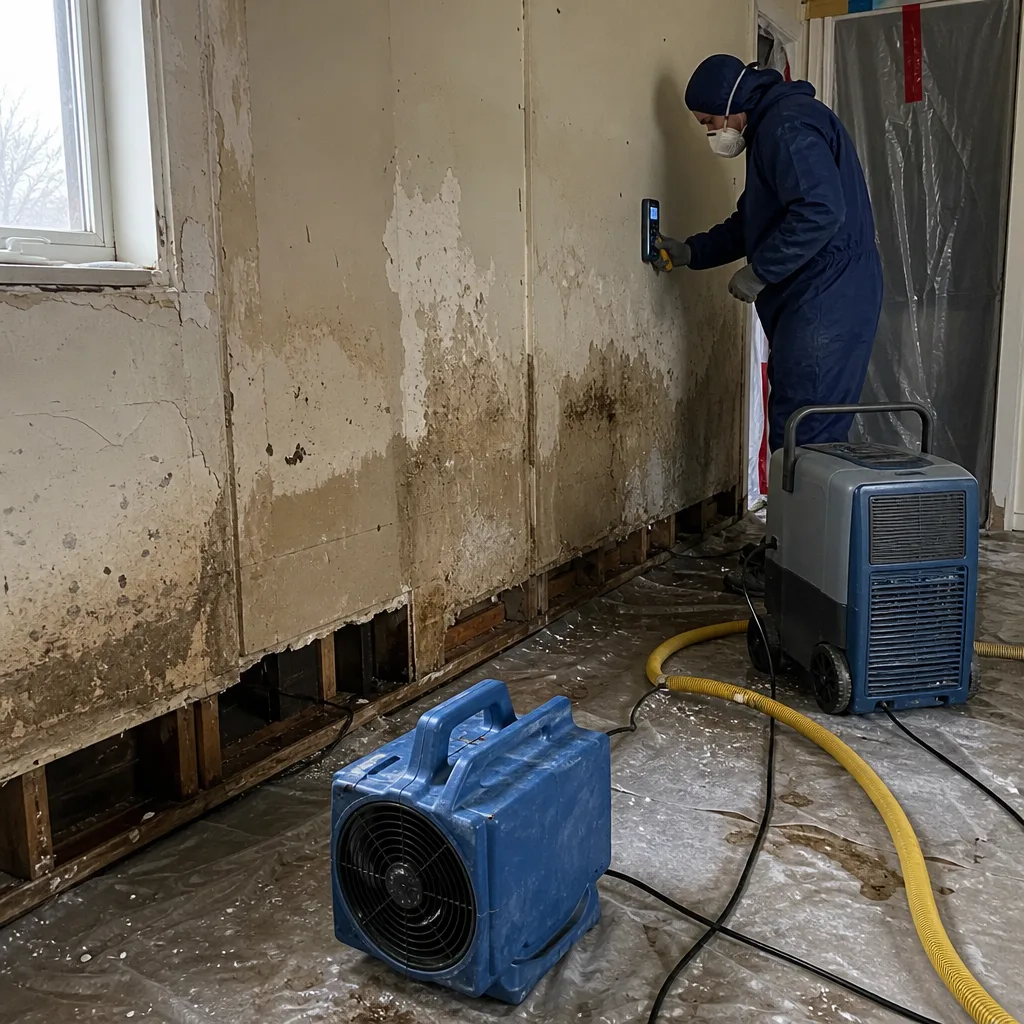 Before
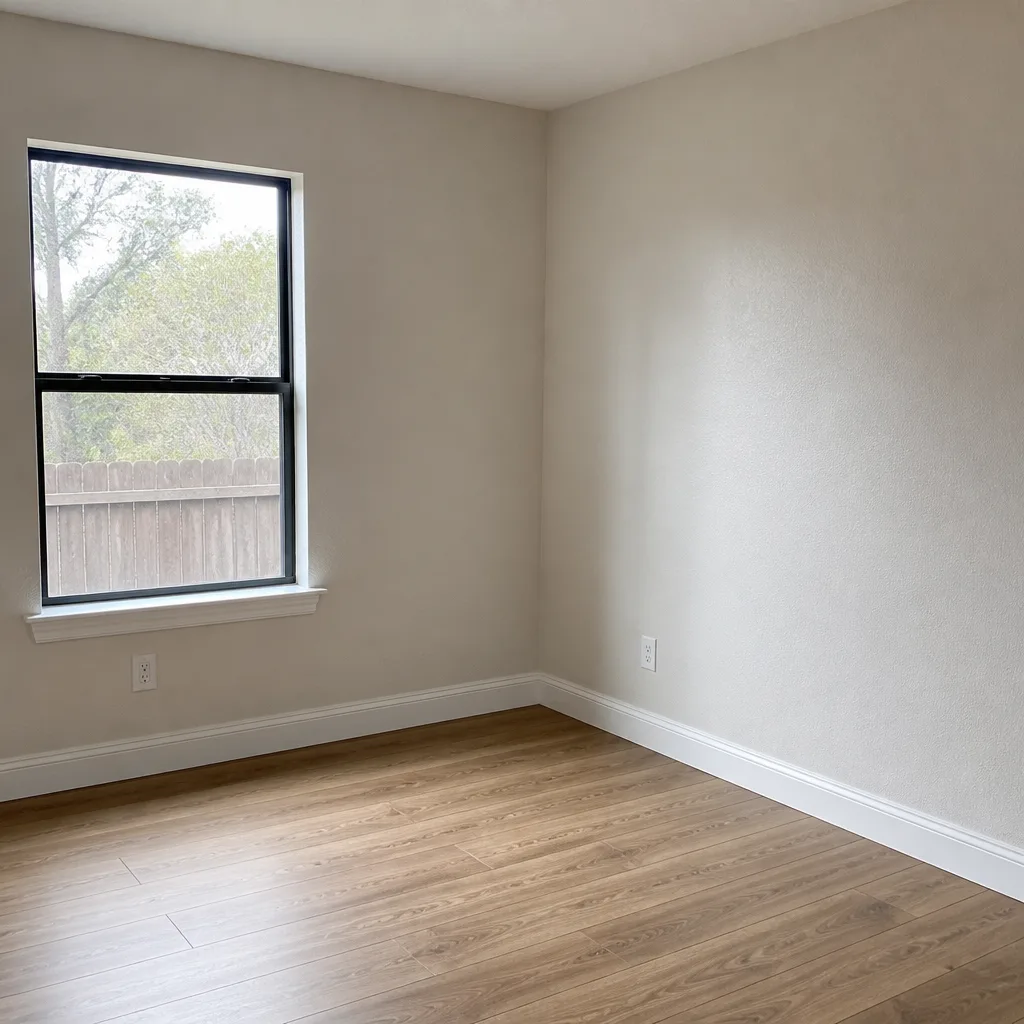 After
AfterFrequently Asked Questions
Most residential water damage restoration jobs in San Antonio run between $2,200 and $12,000 in 2026, with the average single-room clean-water loss landing around $3,000 to $4,500. The price depends on water category, affected square footage, and affected materials. Call (325) 252-3917 for a free estimate with a written price before any work begins.
In San Antonio, a restoration company with 24/7 live dispatch should have a technician on site within a few hours of your call. The faster the response, the less the damage compounds. Marsh Water Damage San Antonio answers every call with a live person, 24 hours a day, 7 days a week, and dispatches from within the San Antonio area.
Most standard homeowners policies cover sudden and accidental water damage, such as a burst pipe or appliance failure, but exclude gradual leaks that occurred over time. Flood damage from rising water requires separate flood insurance. Your restoration contractor should provide photo documentation and work directly with your adjuster to support your claim.
If the water is Category 1 (clean) and was extracted within a few hours, professional drying and sanitizing may be sufficient. For warning signs that indicate more extensive damage restoration is needed, review our San Antonio homeowner’s reference. For Category 2 or 3 water, or any water that sat for more than 24 hours, full remediation including removal of affected porous materials is the only way to prevent mold growth behind walls and under flooring.
Three to seven days is typical for clean-water losses in San Antonio, though slab drying and high-humidity cases can extend to 10 to 14 days. The timeline should be justified by daily moisture readings that show the structure actually drying toward a stated target. Ask for daily logs and a clear drying goal before you agree to the equipment timeline.
At Marsh Water Damage San Antonio, you know before the truck arrives. Every technician is background-checked, identity-verified, and sent to you by name and photo before the visit, then shows a photo ID badge at the door. That’s the Threshold Verified standard applied to every visit, not just first impressions.
The Bottom Line
Restoration pricing in San Antonio isn’t a mystery if you understand the structure: extraction costs, equipment-day billing, labor hours, demolition and disposal, and reconstruction, each with a market rate you can verify. The variables that move the total are water category, affected material, and square footage, and all three are legitimate cost drivers. Your job as a homeowner is to demand the documentation that proves every equipment-day was necessary and every demolition line item was required. A written price before work starts, a written guarantee on the work, and daily moisture logs are not extras. They’re the baseline. Everything else is the beginning of an overcharge.
Written by Tobias Reyner, Owner at Marsh Water Damage San Antonio, serving San Antonio since 2005.