
Last updated October 16, 2026
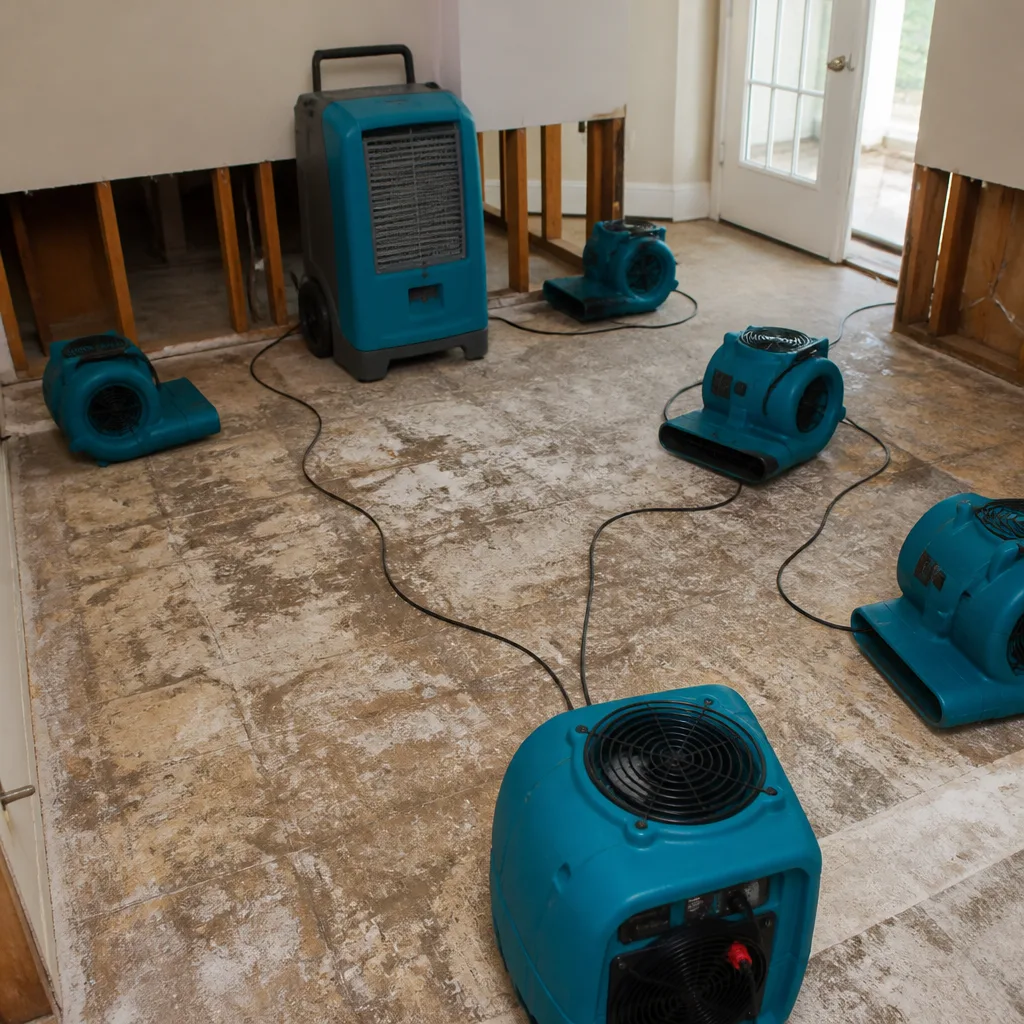 Water damage drying
 Fire & smoke cleanup
 Mold remediation
 Storm response
 Sewage cleanup
 Reconstruction
Free visual inspection and a written scope of work before any mitigation begins - photos, moisture readings, and drying logs go in your claim file
The scope we write is the scope we bill. Anything new gets shown to you, in writing, before we touch it.
Get your free estimateDamage Restoration Permits, Codes & Inspections in TX: What You Need to Know
A San Antonio homeowner had a bathroom restored after a supply line burst. Two years later, during a home sale inspection, the buyer’s inspector flagged the replaced drywall because it had been installed over electrical work that was never permitted. The repair cost more than the original restoration, and the sale nearly collapsed. This guide explains which restoration jobs in Texas actually require permits, how unpermitted work can void insurance coverage and stall a sale, and how to protect yourself before the first contractor walks through your door in San Antonio. For related reading, see our Damage Restoration Warning Signs: A San Antonio Homeowner’s Reference Guide.
Quick Answer
Most “like-for-like” restoration work in Texas, such as swapping wet drywall for new drywall or replacing a section of carpet, does not require a permit. But any restoration that touches structural framing, moves or adds electrical circuits, alters plumbing drains or supply lines, or changes a mechanical system (HVAC) does require a permit and inspection in San Antonio. Skipping that permit risks denied insurance claims, code enforcement fines, and a home that cannot be sold until violations are resolved.
Restoration work we handle
Table of Contents
- The Line Between Replacement and Permitted Work in Texas
- What San Antonio’s Building Code Specifically Requires for Restoration
- How Texas Insurance Policies Handle Unpermitted Repairs and Code Upgrades
- The Bexar County and San Antonio Inspection Sequence, Step by Step
- How to Run a Permit History Search Before You Hire Anyone
- What a Contractor’s Permit Reluctance Tells You About the Job
- Common Mistakes to Avoid
- When to Call a Professional
The Line Between Replacement and Permitted Work in Texas
Here is the rule that matters most: Texas does not require a permit to repair or replace something that existed and failed, as long as the replacement matches the original in material, size, and scope. A water heater that failed gets swapped for a similar water heater. A section of rotted subfloor gets cut out and replaced with the same thickness of plywood. A wet stretch of drywall gets removed and rehung. None of that triggers a permit in San Antonio.
What triggers a permit is alteration. The moment the work changes the building’s structure, its load path, its electrical system, its plumbing configuration, or its mechanical equipment, the City of San Antonio requires a permit and an inspection. The language in the city’s adopted building code (the International Residential Code, with local amendments) is blunt: work that is not ordinary repair requires a permit.
Here is the practical distinction we use on every job in San Antonio:
- No permit needed: replacing wet drywall with new drywall of the same thickness, swapping out damaged baseboards, replacing a section of carpet or vinyl plank flooring, repainting after drying, replacing a few damaged roof shingles, swapping a toilet that was removed for drying back onto the same flange.
- Permit needed: cutting into or replacing a load-bearing stud or joist, moving or adding an electrical outlet, running new Romex in a wall, relocating a drain line, changing the pitch of a waste pipe during a remodel-style restoration, replacing a furnace that flooded with a different BTU model, or modifying the building envelope (new window opening, new exterior door).
One San Antonio-specific point: our climate creates conditions that push “repair” into “alteration” faster than homeowners expect. A bathroom supply line that burst behind a wall on the north side of a house in Alamo Heights often means the studs behind that wall have wicked moisture for days or weeks. When those studs are soft, you are no longer replacing drywall. You are replacing framing. And framing replacement, if it touches a load-bearing wall, requires a permit and a structural inspection.
What San Antonio’s Building Code Specifically Requires for Restoration
San Antonio operates under the City of San Antonio Development Services Department, which enforces the 2018 International Residential Code with local amendments, along with the city’s Unified Development Code. For restoration contractors, four chapters of that code govern most water and storm damage work: Chapter 3 (Building Planning), Chapter 4 (Foundations), Chapter 18 – 25 (Plumbing and Mechanical), and Chapters 34 – 43 (Electrical, which San Antonio enforces through its own amendments).
The city is specific about when a permit is required for residential repair. Here is what we tell San Antonio homeowners before any restoration work begins:
- Structural repair: any removal or replacement of a load-bearing wall, beam, column, or foundation element requires a building permit and a structural inspection. In San Antonio’s clay-heavy soil zones, foundation movement is common, and many “water damage” jobs turn into structural jobs once the wall is opened. A contractor who does not pull a permit for structural work is doing work the city will consider unpermitted.
- Electrical repair: San Antonio requires a permit for any new electrical circuit, any extension of an existing circuit, or any replacement of a panel. Replacing a flood-damaged outlet with an identical outlet does not require a permit. Moving that outlet 18 inches to the left does.
- Plumbing repair: replacing a section of failed copper pipe with PEX of the same size and in the same location does not require a permit. Moving a drain line, changing a waste line’s size, or adding a fixture connection does.
- Mechanical (HVAC): replacing a flooded furnace or air handler with the same BTU rating and same location does not require a permit in most San Antonio residential applications. Changing the unit’s location, fuel type, or BTU output does.
A note from the field: San Antonio inspectors are practical. They understand that a restore-after-burst scenario is different from a remodel. But their leniency stops at the moment the work changes the building’s bones or its systems. Our recommendation: if you are unsure whether your restoration crosses the line, call the Development Services Department yourself and ask, or consult our DIY vs Professional Damage Restoration: The San Antonio Homeowner’s Decision Guide. The answer takes five minutes and costs nothing, and it protects you from a contractor who tells you “we don’t need a permit” when the city says otherwise.
How Texas Insurance Policies Handle Unpermitted Repairs and Code Upgrades
Most Texas homeowners don’t discover their unpermitted work until the insurance claim is denied. Here is the machine that grinds: a standard Texas HO-3 policy says the insurer will cover direct physical loss to the dwelling. It also contains an exclusion for loss caused by “faulty, inadequate, or defective” work, including construction that was not done to code. If a water damage claim is linked to unpermitted electrical or plumbing work, the adjuster has grounds to deny the claim entirely.
Even when a claim is approved, there is a second trap: code upgrade coverage. Most Texas policies include either “Ordinance or Law” coverage (typically 10% of dwelling coverage, often capped) or an endorsement that covers the cost of bringing a damaged home up to current code during repair. That coverage only applies if the work is done by a licensed contractor, with permits, and the permit closes. If you skip the permit, you forfeit the code upgrade money and pay out of pocket.
Here is the sequence we see repeatedly in San Antonio:
- A supply line bursts in a 1960s-era home in Jefferson or Beacon Hill. The home has cloth-wrapped wiring, galvanized pipes, and no GFCI outlets anywhere.
- The restoration contractor opens the wall, repairs the plumbing, and re-hangs drywall. No permit. No electrical inspection. The job is “done” in a week.
- Two years later, a different electrical issue causes a fire, or the house is sold and an inspector catches ungrounded circuits behind that new drywall.
- The homeowner’s insurance claim for the fire is investigated. The adjuster asks for permit records. There are none. The claim is denied or reduced.
In Bexar County, unpermitted work is a lien-able code violation. The city can issue a stop-work order, a fine that accrues daily, and a notice that the property cannot be sold, refinanced, or transferred until the violation is cured and the permit is closed. We have seen homes in San Antonio where an open electrical permit from 2009 blocked a refinance for weeks.
One concrete piece of advice: call your insurer before the restoration starts. Ask two questions. First: “Does my policy include Ordinance or Law coverage, and what is the dollar cap?” Second: “If my contractor pulls permits for this restoration, does that change my coverage?” Write down the answers and keep them. The phone call costs ten minutes. It can save you from a $12,000 denied claim later.
The Bexar County and San Antonio Inspection Sequence, Step by Step
When a restoration does require a permit, the inspection process in San Antonio follows a specific order. Understanding that sequence helps you know what is coming, what the inspector will look at, and where the job can stall. Here is the sequence we work through on permitted restoration jobs in Bexar County:
- Permit application: the contractor (or the homeowner, if acting as owner-builder) files with the City of San Antonio Development Services Department. The application includes a scope of work, a floor plan sketch or drawing if structural, and the contractor’s license and insurance information. Fees are based on the valuation of the work. A small residential restoration permit in San Antonio typically runs between $75 and $250 depending on scope.
- Plan review, if required: structural alterations, foundation repairs, and any work that changes the building footprint go through plan review. This takes 1 to 2 weeks in most San Antonio residential cases. Simple “like-for-like with permit” jobs skip plan review and go straight to issuance.
- Permit issuance: the permit is posted on the property. Work begins. This is the stage where the contractor’s Threshold Verified style of documentation matters: photos at every stage, because the inspector will want to see what was behind the wall before it was closed.
- Rough-in inspection: after the structural, electrical, plumbing, or mechanical work is done but before drywall is hung, the inspector checks the work. In San Antonio, rough-in inspections require a 24-hour notice (sometimes same-day for small jobs, but never guaranteed). If the rough-in fails, the contractor reworks and calls for re-inspection. Expect at least one failed rough-in on older San Antonio homes where old work does not meet current code.
- Final inspection: after drywall, texture, paint, and trim are done, the inspector returns to close the permit. The permit is marked “finaled” in the city’s system. This is the piece of paper you need for insurance, refinancing, and future sale.
One San Antonio detail that matters: the city’s inspection scheduling runs Monday through Thursday for most residential trade inspections. A restoration job that finishes on a Friday waits until Monday. A contractor who tells you the job will be “done Friday” may be telling you the drywall is done Friday and the inspection is Monday. Ask for the difference.
How to Run a Permit History Search Before You Hire Anyone
Before you let any contractor open your walls, run a permit history search on your San Antonio property. The process is free for the basic search and takes about fifteen minutes.
Here is how to do it:
- Find your property’s legal description. Go to the Bexar Appraisal District website, search by your street address, and note your parcel ID and the year your home was built. That parcel ID is the key that unlocks the city’s permit database.
- Search the City of San Antonio’s permit portal. The Development Services Department maintains an online permit lookup tool. Enter your address or parcel ID. The tool shows every permit ever pulled on the property that is still in the city’s system: date, type, scope, contractor name, and status (open, closed, expired, or violation).
- Look for open or failed permits. An “open” permit means work was started and the final inspection was never passed. This is common on homes that have changed hands. The new owner inherits the open permit, and the city will not issue new permits on the property until the old one is closed or the issue is resolved. A “failed” or “violation” status is worse: it means an inspector found problems and the work was never corrected.
- Check Bexar County records if the home is outside city limits. Unincorporated Bexar County permits go through the county, not the city. If your home is in a neighborhood like Windcrest, Leon Valley, or an unincorporated pocket, the permit history may be held by a different authority.
- Ask the seller’s agent for the permit packet. If you are buying a home that had restoration work done, request the permit history as a condition of the sale. A seller who cannot produce a closed permit for a past structural or electrical restoration is telling you something about the house’s history.
What an open permit from a previous owner means for your project: if your home has an open electrical permit from 2016, and your water damage restoration requires an electrical inspection, the city may require the old permit to be closed before they will finalize the new one. That old permit is your problem now. Running the search before the emergency lets you know what you are walking into. Running it during an emergency is still better than not running it.
What a Contractor’s Permit Reluctance Tells You About the Job
A contractor who resists pulling permits on work that clearly requires them is telling you something specific about how they plan to do the work. Here is what that resistance means, in plain terms.
First, it means the contractor does not have the license or the insurance to pull the permit. In San Antonio, a contractor must hold a state electrical or plumbing license for those trades, and must carry general liability insurance, to pull a trade permit. If the contractor is not licensed, they cannot pull the permit, which is why they tell you “you don’t need one.” You are not hearing a judgment call. You are hearing a structural limitation.
Second, it means the contractor does not want an inspector looking at the work. A permit means a city inspector walks through the job at rough-in and at final. If the contractor’s work would not pass inspection, the permit is a liability to them. That is the whole story. The permit slows them down, and it also creates a record of any corners they cut.
Third, it means the contractor plans to work fast and leave. Pulling a permit requires documentation, a posted permit, an inspection window, and a re-inspection if the first one fails. A contractor who is “in and out in three days, no permit, cash discount” is a contractor optimizing for speed, not for your long-term safety or resale value.
None of this is theoretical in San Antonio. The city’s Development Services Department has been aggressive about permit enforcement since the mid-2010s, and code compliance officers regularly drive neighborhoods looking for visible restoration work without a posted permit. The risk is not a distant possibility. It is a knock on the door.
Our standard at Marsh Water Damage San Antonio is simple: we pull the permit when the scope crosses the line, we document every stage with photos, we schedule the inspection, and we do not ask you to absorb the risk of our work. The written price we give you before any work begins includes the permit fees. There is no surprise “permit charge” added after demo starts. That is how the job should work, and if a contractor tells you differently, that tells you something.
Common Mistakes to Avoid
- Believing the contractor’s “no permit needed” without checking. The contractor has a financial incentive to skip the permit. The City of San Antonio has a phone number and a website. Make the call yourself. Five minutes of verification beats a five-figure insurance denial.
- Letting the restoration start before you document the damage. Take photos of everything before the first cut. The permit record and the insurance claim both benefit from a pre-existing condition record. We send every Threshold Verified technician with a photo protocol for exactly this reason.
- Paying the final invoice before the final inspection passes. An open permit means the job is not done. Hold back a meaningful portion of the final payment until the city marks the permit “finaled.” A contractor who pushes back on this is a contractor who does not expect the inspection to pass.
- Assuming your insurance company will catch the code upgrade coverage for you. They will not. You have to ask. The question is: “Does my policy include Ordinance or Law coverage, and how do I access it during a permitted restoration?” If the answer is vague, get it in writing.
- Restoring a pre-1978 home without checking for lead paint and asbestos. Many San Antonio homes built before 1978 contain lead paint and asbestos-containing materials. Disturbing them during restoration without proper handling is a federal violation, not just a city one. A licensed restoration contractor will know this and handle it inside the scope of work.
- Hiring the first contractor who answers the phone after a flood. A water loss is urgent, but the wrong contractor makes the damage worse. Our Water Damage Restoration in San Antonio guide explains what a proper extraction and drying sequence looks like. The contractor who tells you to sign before they explain the scope, the permits, and the price is the one to walk away from.
When to Call a Professional
Call a restoration professional the moment you see water where it should not be, or smell mold that was not there before, because the damage compounds while you wait. But call with specific questions: “What permits will this job require, and who pulls them?” “What is the written scope of work, and when do I see it?” “Who is the technician coming to my house, and can you send me their name and photo before they arrive?” A professional answers all three without hesitation.
After a storm or a burst pipe, before the walls are opened, get the permit question settled. If the answer is murky, call the city. Then call us. Marsh Water Damage San Antonio offers free estimates in San Antonio, and every job starts with a written price, a written guarantee, and the Threshold Verified promise that you will know exactly who is walking through your door. Browse more guides & resources on protecting your home. Call (325) 252-3917 now, any hour, any day. A live person answers.
See the difference
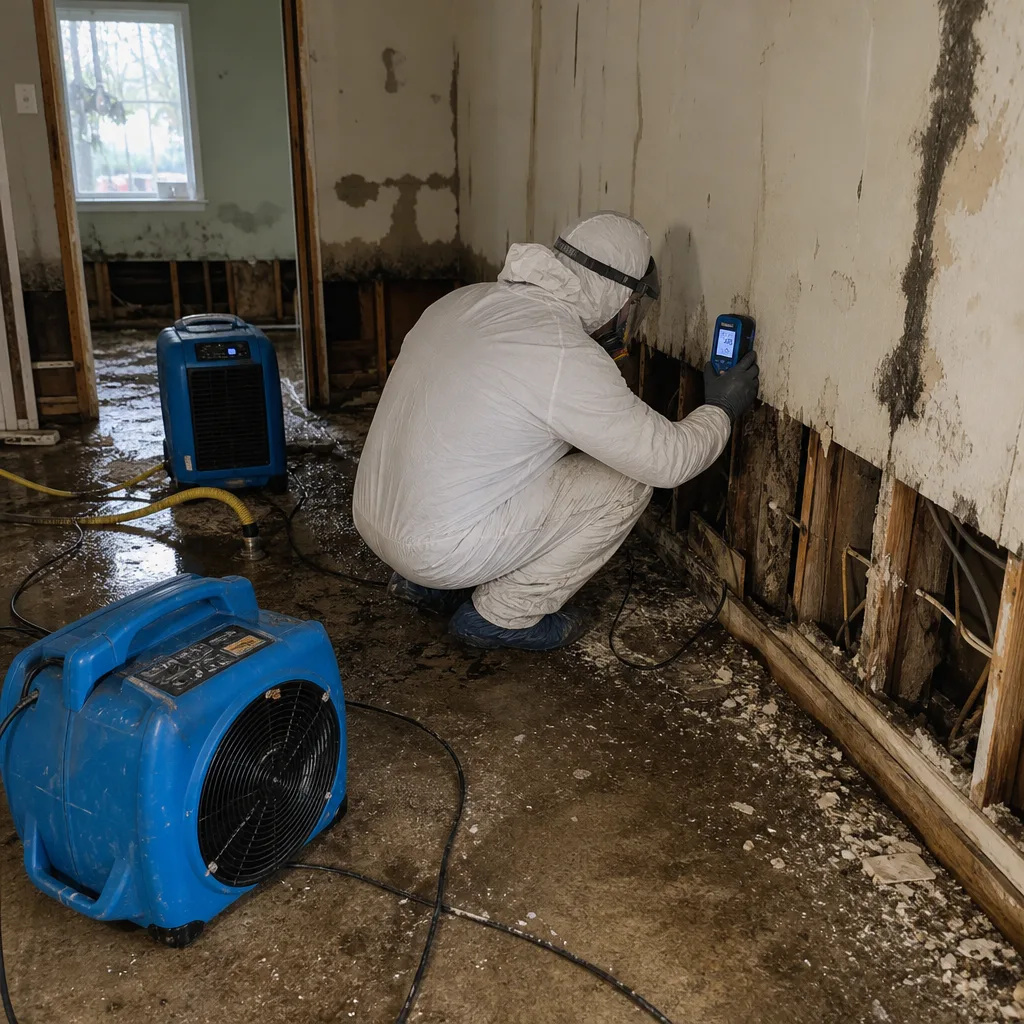 Before
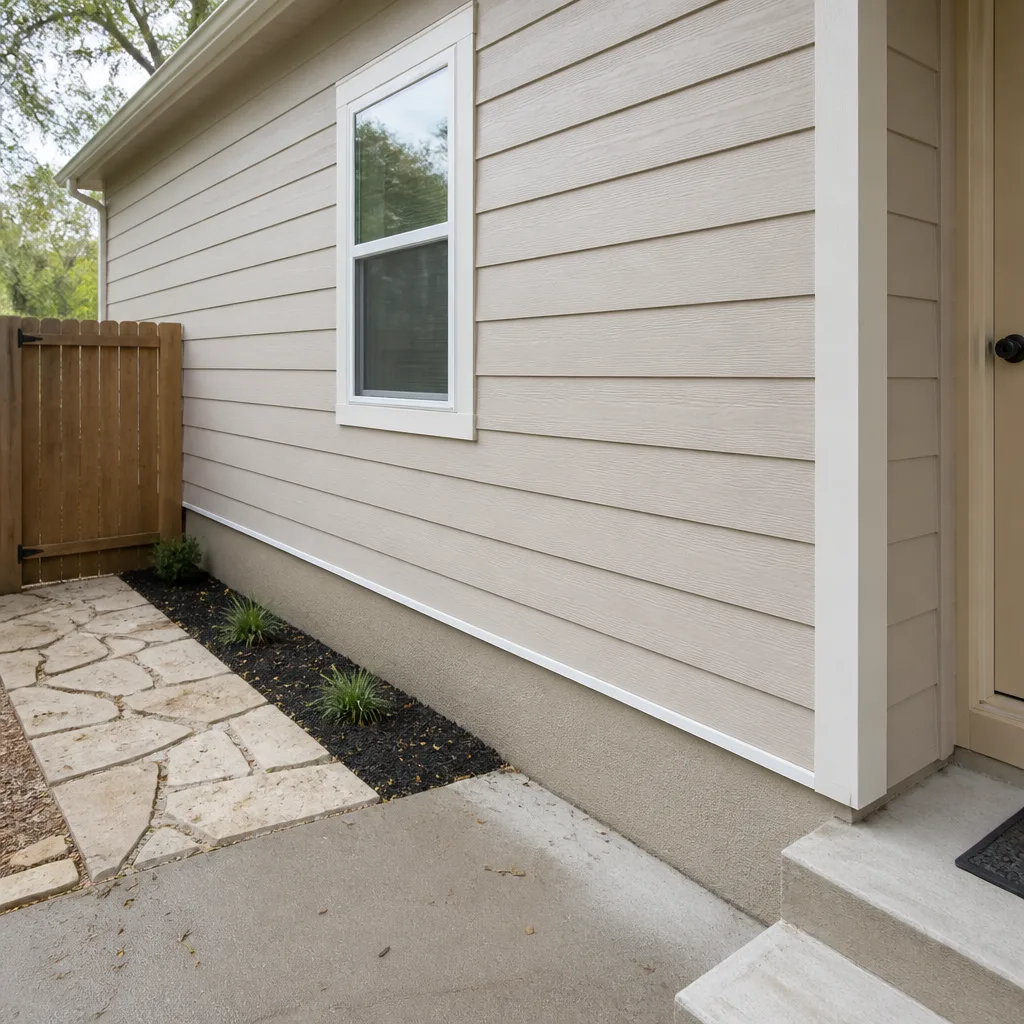 After
After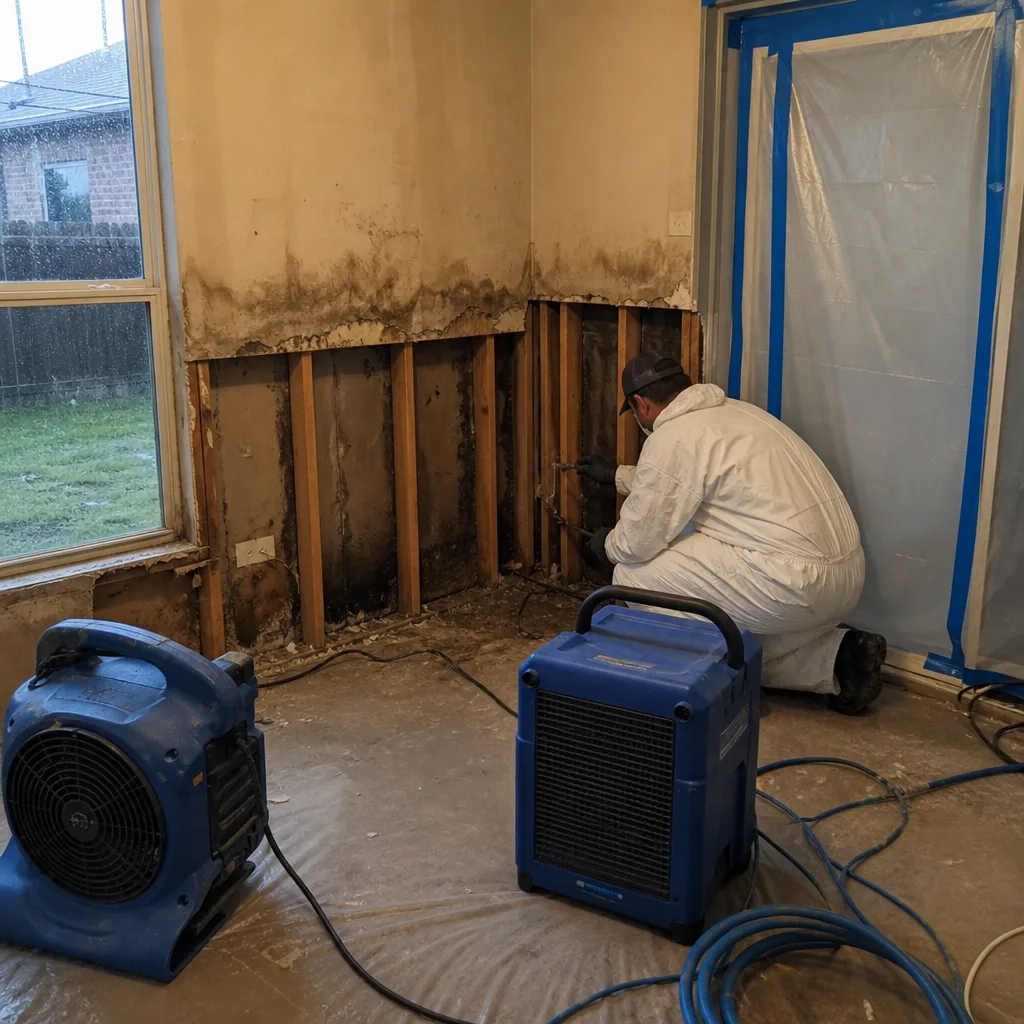 Before
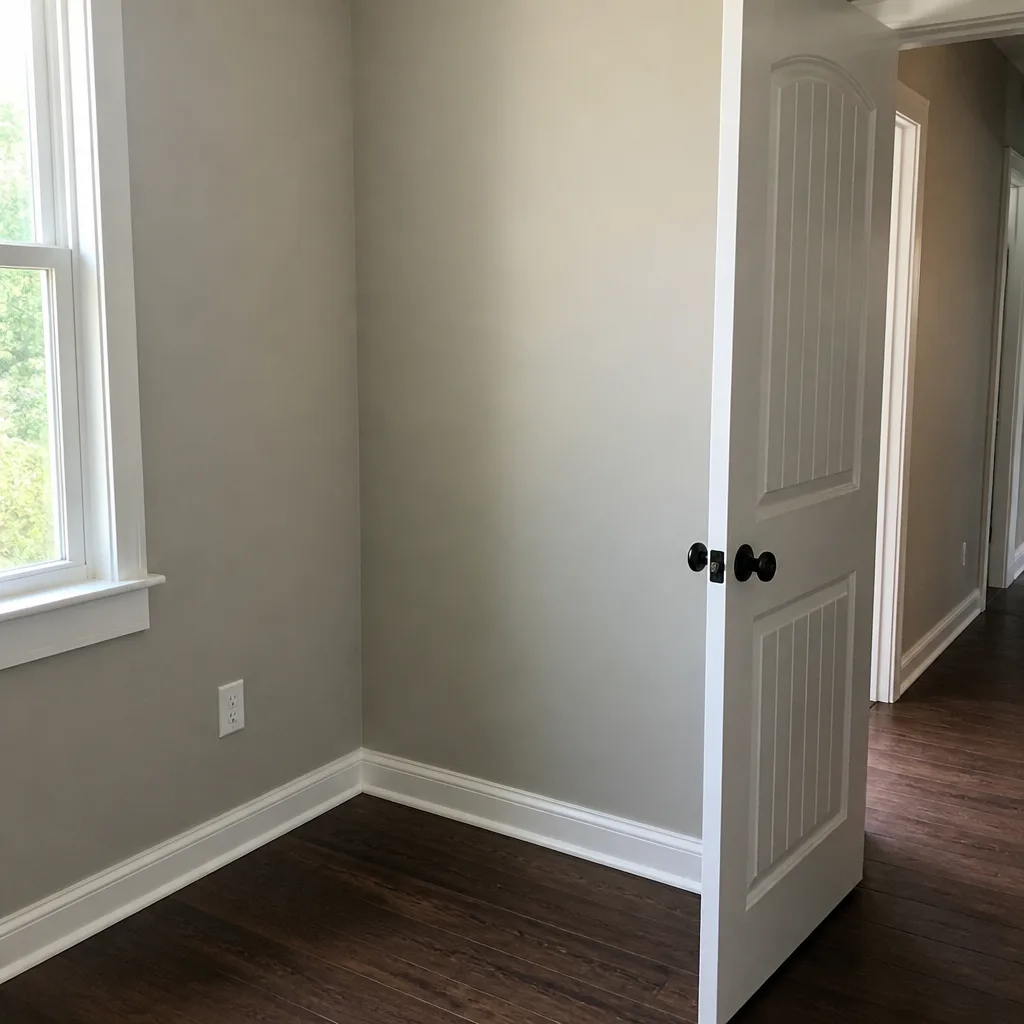 After
After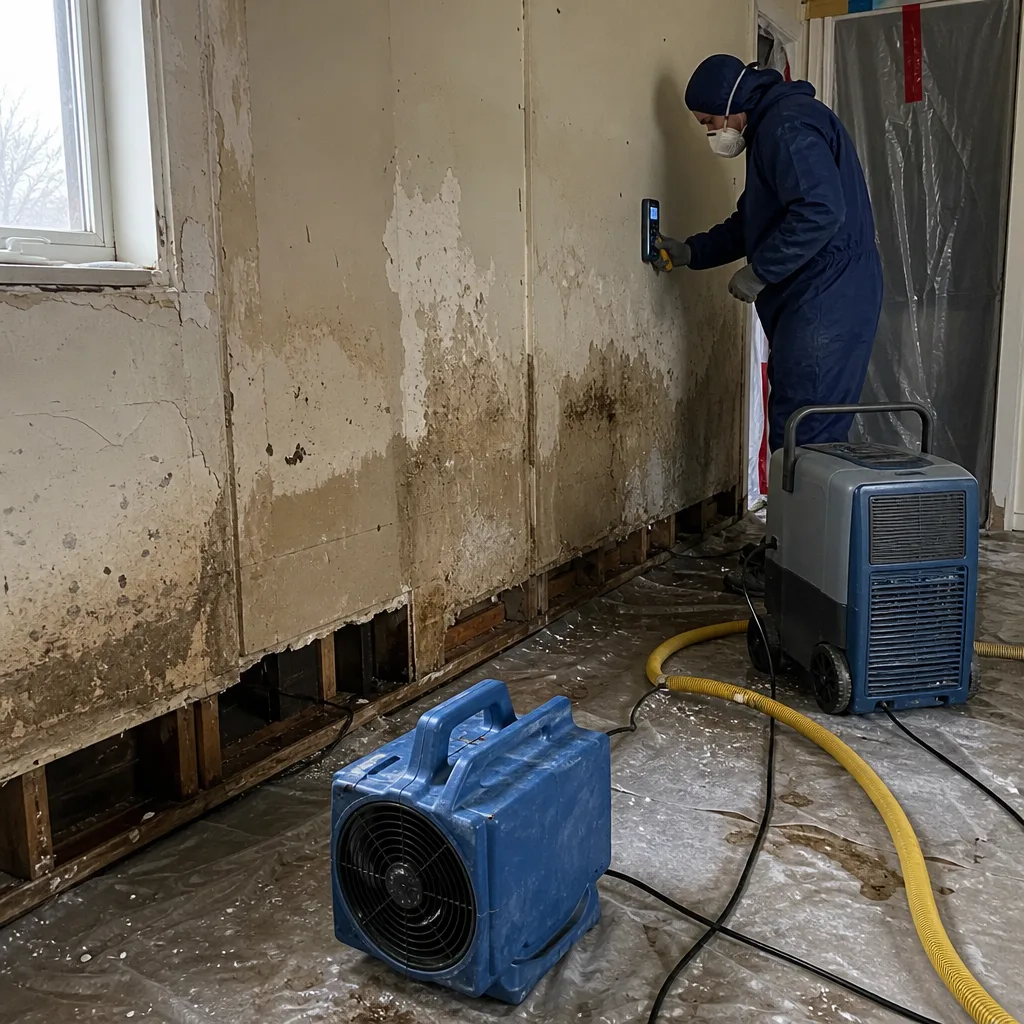 Before
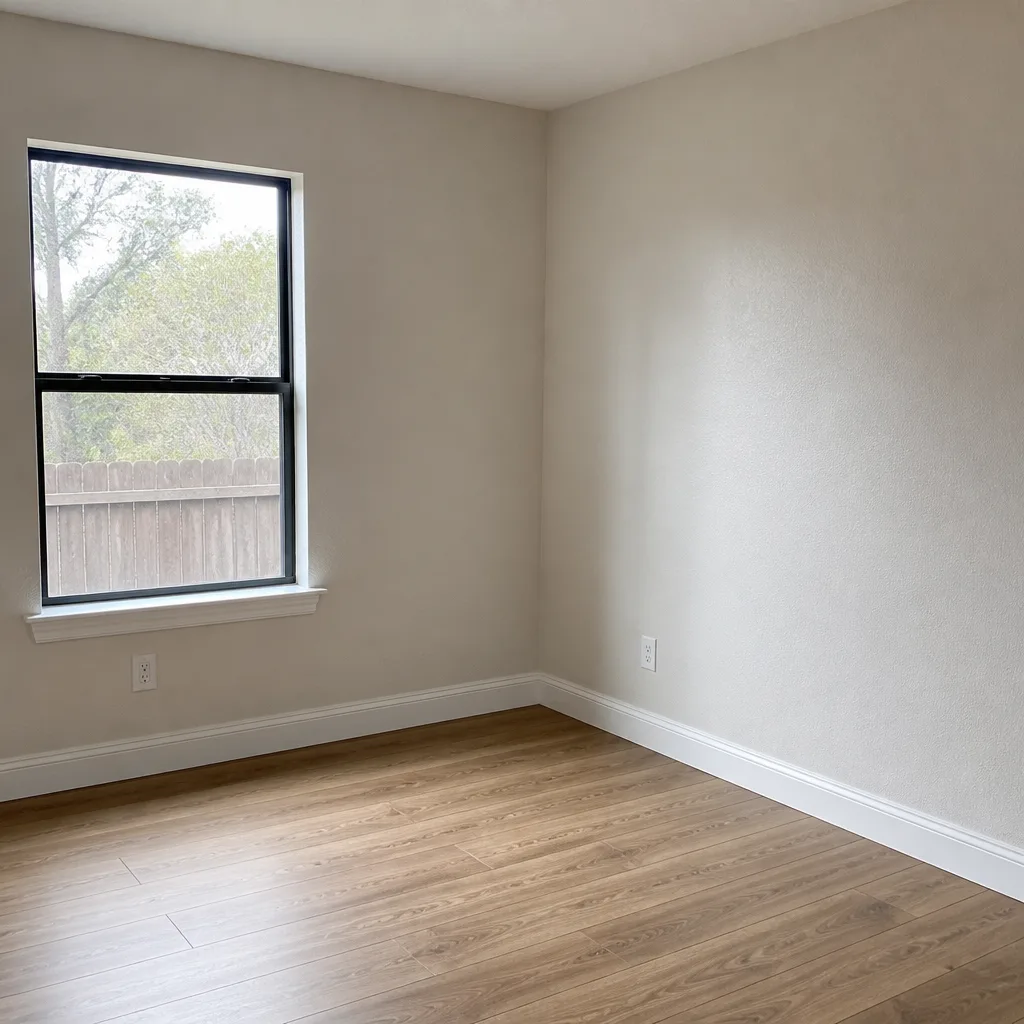 After
AfterFrequently Asked Questions
No, replacing water-damaged drywall with new drywall of the same thickness and in the same location does not require a permit in San Antonio, as long as the work does not disturb electrical, plumbing, or structural elements behind the drywall. If the drywall removal exposes damaged framing that must be replaced, or if the work moves or adds electrical or plumbing, a permit is required. When in doubt, call the city’s Development Services Department and ask. For an exact scope assessment with a written price, call us at (325) 252-3917.
Most Texas homeowners policies do not directly line-item permit fees, but the permit cost is typically included in the overall covered repair cost when the work is part of a covered claim, and many policies include Ordinance or Law coverage that pays for code upgrades required during a permitted repair. That coverage only applies if the permit is pulled and the work is inspected. If you skip the permit, you lose the code upgrade money. Ask your adjuster about your policy’s Ordinance or Law cap before work starts.
An open permit is a cloud on the title. Most buyers’ lenders will require the permit to be closed before they fund, and the city can block the property transfer until the work is inspected and the permit is finaled. If the work fails inspection, you pay to bring it to code before the sale can close. This is exactly the scenario that turned a San Antonio homeowner’s $4,000 bathroom restoration into a $9,000 repair two years later. Close the permit before you list.
Yes, Texas allows a homeowner to act as an owner-builder and pull their own permit for work on their own primary residence, but the homeowner then assumes liability for the work’s code compliance and must schedule and pass the inspections themselves. For restoration work that touches trade-specific systems like electrical or plumbing, the homeowner still needs the trades to be done by licensed professionals. In practice, most San Antonio homeowners find that a restoration contractor who pulls the permit and manages the inspection is the safer path.
Ask for the contractor’s Texas Department of Licensing and Regulation (TDLR) license number for any electrical or plumbing work, and check it on the TDLR website. For water damage restoration and mold remediation work, ask about IICRC and RIA credentials, which are the industry’s recognized training and certification bodies. A legitimate contractor will have a license number and certificate numbers ready to show you, not just a business card. We are happy to show ours before any work begins.
First, run a permit search through the City of San Antonio to see whether the permit is open, closed, or flagged as a violation. Second, if the permit is open or the work was never permitted, request a code inspection through the Development Services Department. Third, plan to bring the work to code before the house goes on the market or the next claim is filed. Delaying only compounds the problem. We can assess the restoration scope and the permit path during a free estimate. Call (325) 252-3917.
The Bottom Line
Restoration permits in Texas are not optional paperwork. They are the difference between a repaired home and a home with a hidden liability. The line is simple: like-for-like replacement needs no permit, but any change to structure, electrical, plumbing, or mechanical systems does. Unpermitted work voids code upgrade coverage, can deny insurance claims, and blocks home sales until the violations are fixed. Run the permit search before you hire, ask every contractor the permit question first, and hold back final payment until the final inspection passes. If you’re facing water damage in San Antonio, call Marsh Water Damage San Antonio home for a free estimate, a written price, and a Threshold Verified technician whose name and photo you’ll know before the knock. That’s how restoration should work, and we’ve done it that way since 2005.
If you are dealing with mold after water damage, read our Mold Remediation in San Antonio guide for what remediation requires. If the damage came from a storm, our Storm Damage Restoration in San Antonio page covers the storm-specific permit and insurance path. And if you need someone on-site right now, call (325) 252-3917 and a live person answers, day or night.
Written by Tobias Reyner, Owner at Marsh Water Damage San Antonio, serving San Antonio since 2005.