
Last updated October 16, 2026
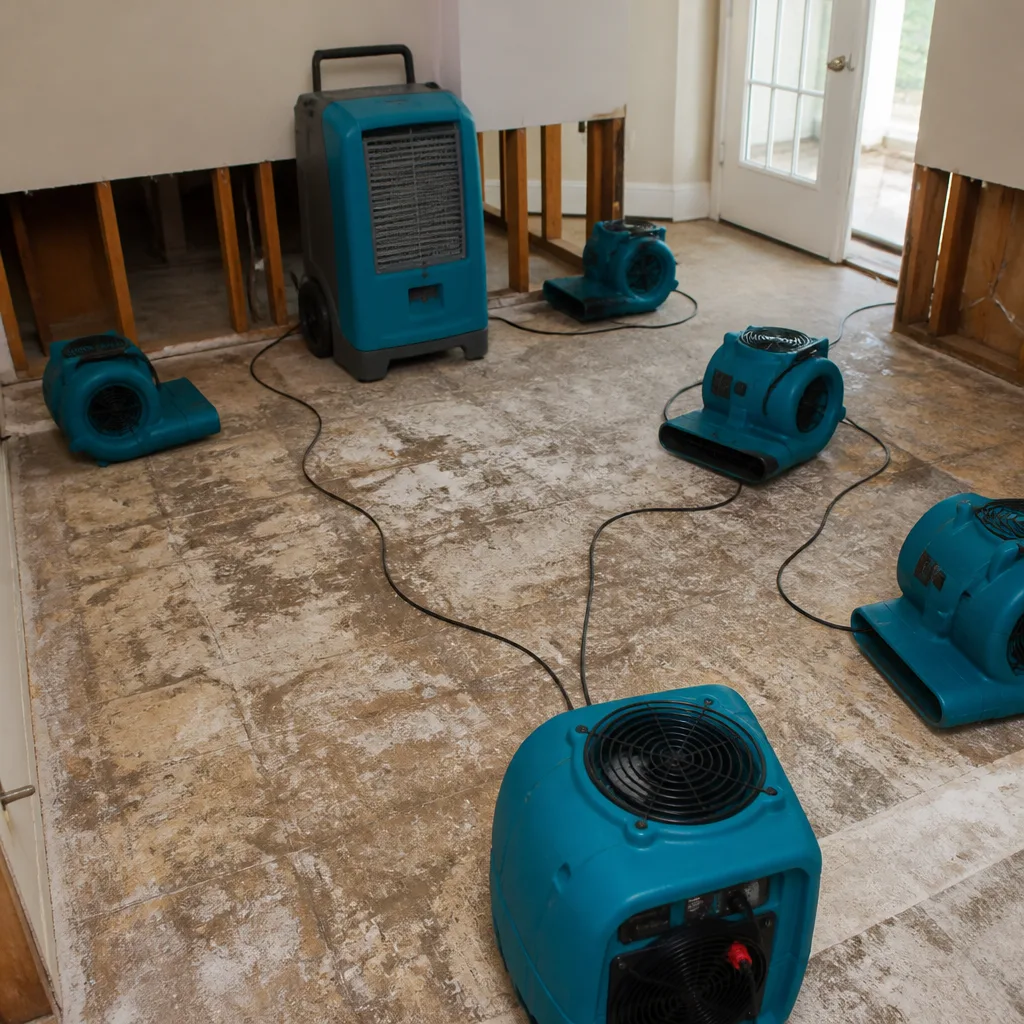 Water damage drying
 Fire & smoke cleanup
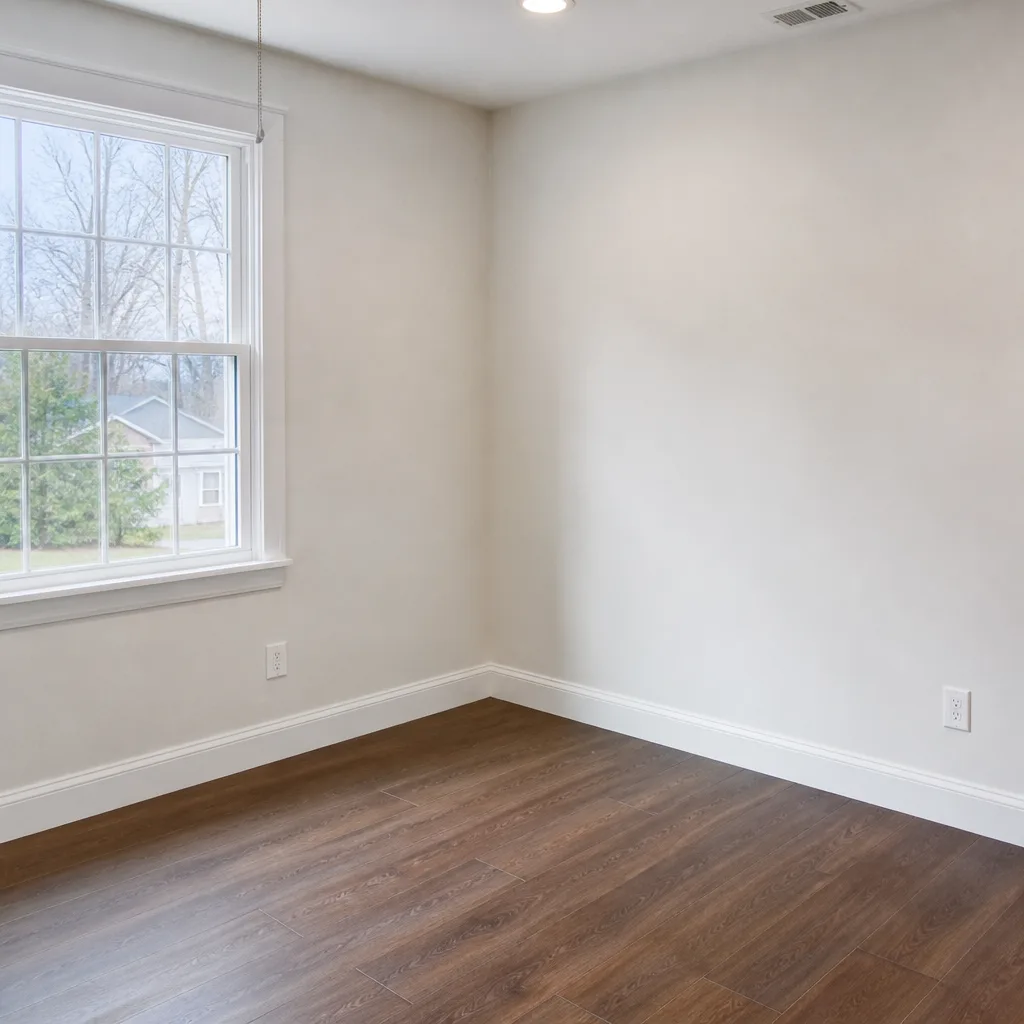 Mold remediation
 Storm response
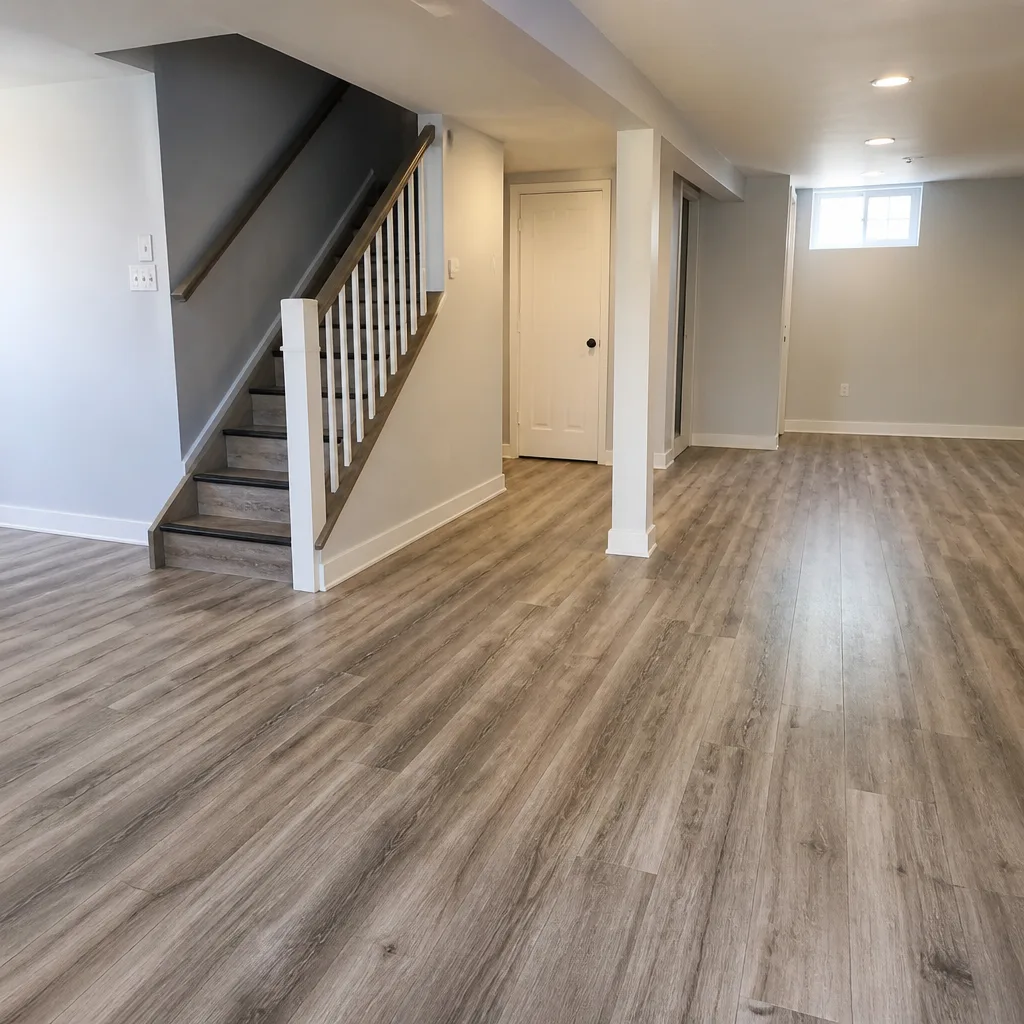 Sewage cleanup
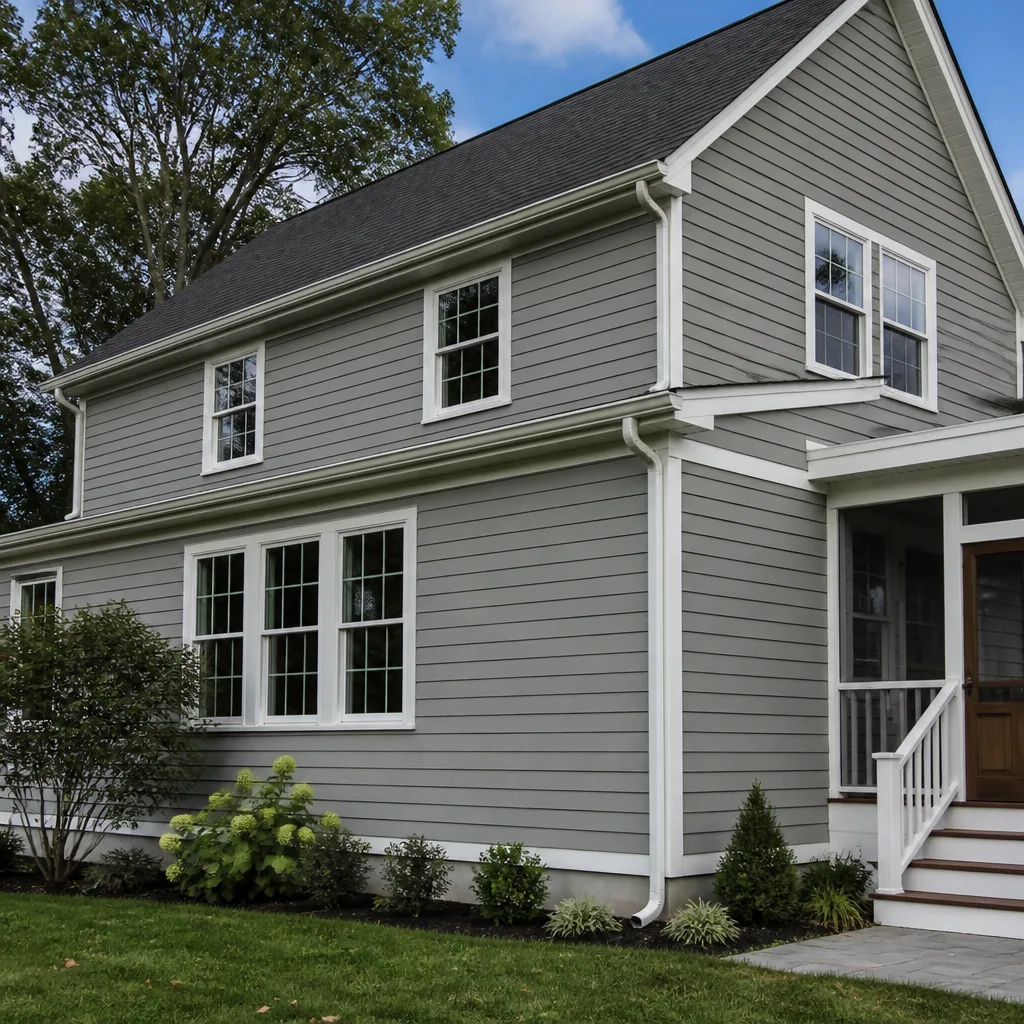 Reconstruction
Free visual inspection and a written scope of work before any mitigation begins - photos, moisture readings, and drying logs go in your claim file
The scope we write is the scope we bill. Anything new gets shown to you, in writing, before we touch it.
Get your free estimateThe Complete Guide to Damage Restoration in San Antonio
Most San Antonio homeowners don’t fail at restoration because of the water. They fail because they don’t know what the process is supposed to look like, so they can’t tell when a contractor cuts corners. A restoration job that looks finished from the doorway can still have moisture readings of 20% or higher inside the wall cavity, meaning mold is already growing while you sign the completion paperwork. This guide gives you the full picture, step by step, so you can hold any company accountable before, during, and after the work; for damage restoration warning signs every San Antonio homeowner should know, keep reading. We’re going to walk through exactly what a legitimate restoration in San Antonio should include, what numbers you should ask for, and where the process typically breaks down when someone is trying to rush the job.
Quick Answer
Damage restoration in San Antonio is a two-phase process: mitigation stops the active damage (water extraction, drying, mold containment, board-up), then restoration rebuilds what was removed (drywall, flooring, paint, structural repair). A legitimate job includes written moisture readings at every stage, a written scope of work before demolition starts, and a documented drying plan with specific equipment placement, not just fans running in a wet room. Most residential water extraction in San Antonio runs between $1,800 and $4,200 before drying equipment is set, with full restoration typically landing between $4,500 and $14,000 depending on square footage and materials-see our Damage Restoration Cost Breakdown: The San Antonio Homeowner’s Reference for 2026 for deeper pricing analysis.
Restoration work we handle
Table of Contents
- The Sequence: Why Order Matters More Than Speed
- Moisture Readings: The Numbers You Should Ask For
- San Antonio’s Climate: The Secondary Damage Window
- Mitigation vs. Restoration: Two Different Billing Lines
- What a Legitimate Completion Certificate Looks Like
- What Restoration Actually Costs in San Antonio
- Working With Insurance: Documentation That Gets Claims Approved
- Choosing a Restoration Contractor in San Antonio
The Sequence: Why Order Matters More Than Speed
The order of a restoration job is non-negotiable, and skipping steps is how homes end up with hidden mold inside walls that looked dry on the surface. A professional restoration in San Antonio follows a specific sequence because each step depends on the one before it. Here’s the full process, in the order it should happen:
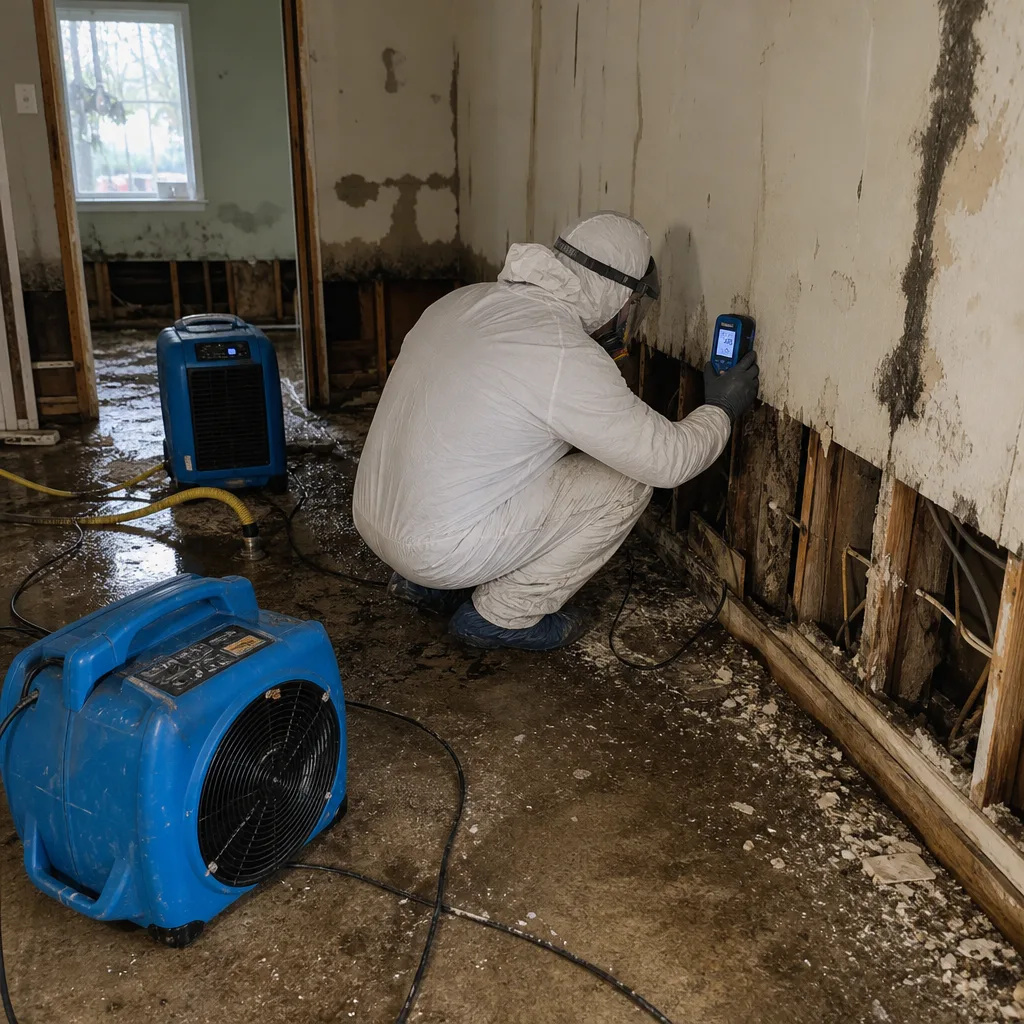
- Assessment and documentation. The technician walks the property with a moisture meter and thermal imaging camera. Readings are taken from walls, floors, and ceiling cavities, and everything is photographed. This is the baseline. Insurance claims and contractor accountability both start here.
- Water extraction. Standing water is pulled out with truck-mounted or portable extraction units. The goal is to remove as much liquid water as physically possible before drying equipment goes in. Extraction typically takes 45 minutes to 3 hours depending on the volume.
- Containment and demolition decisions. Wet drywall, insulation, and carpet pad are evaluated in square-foot sections. Cut only what needs cutting. A legitimate contractor marks the cut line and shows you why. Drywall that wicks water up from the baseplate gets cut 12 to 24 inches above the visible water line, not just at the stain.
- Drying plan and equipment placement. Air movers and dehumidifiers are placed according to a calculated drying chamber, not scattered randomly. Psychrometric readings (measuring the moisture in the air) determine how many units are needed and where they go. A written drying plan tells you the target moisture content and the expected drying time, usually 3 to 5 days for a standard residential loss.
- Daily monitoring. Someone returns to check readings every 24 hours. Moisture content should drop measurably each day. If it doesn’t, the drying plan gets adjusted. Equipment that just sits there for a week without monitoring is a red flag.
- Final clearance and demo replacement. Once moisture readings hit the dry standard for that material, equipment comes out, and restoration begins: drywall, paint, flooring, trim, and any structural repairs.
We’ve seen dozens of San Antonio homes where a contractor skipped from step 2 straight to step 6 because the homeowner was eager to have the damage gone. The result is always the same: the wall looks finished, but the framing inside never dried. Six months later, there’s a musty smell and black staining behind the baseboard. The sequence exists for a reason.
Moisture Readings: The Numbers You Should Ask For
Here’s the thing most San Antonio homeowners don’t know: you are entitled to see the actual moisture numbers, not just a verbal “all clear.” A professional restoration company records moisture content at every visit and shares those readings with you. If a contractor won’t show you numbers, that’s not a communication style. That’s a warning.
Moisture content is expressed as a percentage. Here’s what the numbers mean for common building materials:
- Drywall: dry is 5% to 12%. Above 15% means water is actively wicking. Above 20% means the material is saturated and should likely be removed, not dried in place.
- Wood framing: dry is 8% to 14%. Above 17% for more than 48 hours creates conditions where mold can colonize.
- Concrete slab: dry is 2% to 4% at the surface. Concrete can hold water deep in the slab even when the top reads dry, which is why San Antonio slab foundations need special attention after a flood.
- Hardwood flooring: dry is 6% to 9%. Readings above 12% mean cupping and warping are likely. Readings above 16% usually mean the floor has to come out.
Ask for the numbers at three points: the initial assessment, each daily monitoring visit, and the final clearance. At Marsh Water Damage San Antonio, we print moisture readings on the work order at every visit, and we hand you a copy. You should never have to ask twice. If a contractor’s final clearance says “visually dry,” that’s not a reading. That’s an opinion.
San Antonio’s Climate: The Secondary Damage Window
San Antonio creates a specific problem for restoration that most national guides ignore. We have two compounding factors: expansive clay soil and persistent high humidity. Both create a secondary damage window, the period after the visible water is gone when hidden moisture keeps doing damage.
The clay soil matters because San Antonio sits on a band of Blackland Prairie clay that expands dramatically when wet and contracts when dry. When water from a slab leak or a toilet overflow saturates the soil beneath a foundation, the swelling clay puts pressure on the slab from below. We regularly see hairline cracks in San Antonio homes that were “repaired” but the foundation was never given time to dry. A legitimate restoration in San Antonio includes checking sub-slab moisture after a slab leak, not just drying the interior.
The humidity is the second factor. From April through October, San Antonio’s outdoor relative humidity routinely sits at 70% to 90%. That means the ambient air a drying system pulls in is already wet. A dollar-store dehumidifier running in a humid San Antonio summer is barely fighting the outdoor air, let alone the water inside your walls. Professional drying uses low-grain refrigerant dehumidifiers that pull water out of the air regardless of outdoor humidity, which is exactly why the equipment matters. The secondary damage window in San Antonio is 48 to 72 hours after a water event. After that, wet drywall in a hot, humid house is not just drying slowly. It’s growing mold.
Our Water Damage Restoration in San Antonio process accounts for both factors because we operate in this climate every day, not from a corporate playbook written for Phoenix or Denver.
Mitigation vs. Restoration: Two Different Billing Lines
One of the most common sources of confusion, and inflated invoices, is the split between mitigation and restoration. These are separate scopes of work with separate billing lines, and you should understand the difference before you sign anything.
Mitigation is stopping the active damage. It includes water extraction, demolition of unsalvageable materials, drying equipment setup and monitoring, antimicrobial application, and containment if mold is present. Mitigation is time-sensitive. It happens in the first 72 hours, and it’s the part that prevents the problem from getting worse.
Restoration is rebuilding what mitigation removed. It includes new drywall, paint, flooring, cabinetry, trim, and any structural repair. Restoration is not time-sensitive in the same way. It should be scoped carefully, priced in writing, and scheduled like a remodel.
Here’s why this distinction matters in San Antonio: many insurance policies cover mitigation and restoration differently, and damage restoration permits, codes & inspections in TX can affect how each phase is documented and approved. Mitigation is often covered under emergency services with a separate deductible. Restoration may be covered under dwelling coverage with its own limits. A contractor who lumps everything into one line item called “water damage repair” makes it nearly impossible to verify what insurance actually owes. Ask for two separate written scopes: a mitigation scope and a restoration scope. If the contractor can’t separate them, you should be asking why.
What a Legitimate Completion Certificate Looks Like
At the end of a restoration job, you should receive a completion certificate that documents what was done, what the final moisture readings were, and what guarantee applies to the work. A contractor who packs up equipment and drives away without paperwork has not completed the job. They’ve just stopped working on it.
A legitimate completion certificate in San Antonio includes:
- Final moisture readings for every affected room, listed by material type. Drywall, framing, subfloor, and concrete should each have a number.
- Date-stamped photos of the affected areas before, during, and after restoration.
- Written scope of work completed, item by item, matching the original written estimate.
- Equipment log showing what drying equipment was used and for how many days.
- Warranty language that specifies what is covered, for how long, and what happens if something goes wrong.
- The contractor’s license and insurance information, printed on the document, not provided on request.
At Marsh Water Damage San Antonio, every completion certificate includes the 365-Day Done Right Promise printed on the work order. It’s a documented, time-stamped guarantee: if the repair is not right within a full year, we make it right. The free second visit is included automatically. It’s not something a customer has to argue for, and it’s not conditional beyond its stated terms. A contractor who won’t put a time-bound guarantee in writing is telling you something important about how confident they are in their own work.
What Restoration Actually Costs in San Antonio
San Antonio restoration pricing follows the local market, not national averages you might see on a general home improvement site. Here are the numbers we see across the city, from Alamo Heights to Stone Oak to the West Side:
- Water extraction only (no drying): $800 to $1,600 depending on square footage affected and accessibility.
- Full mitigation package (extraction, demo, drying equipment, monitoring, antimicrobial): $2,500 to $5,500 for a typical single-room loss.
- Mold remediation (containment, HEPA air scrubbing, removal, treatment): $2,000 to $8,000 depending on the square footage of affected material and whether it’s drywall, framing, or HVAC ducting.
- Full restoration (mitigation plus rebuild): $4,500 to $14,000 for a standard residential water loss. Flood cuts in multiple rooms, hardwood removal, or structural repair push the top end higher.
- Storm damage restoration: highly variable depending on whether it’s roof tarping, window board-up, interior water mitigation, or full rebuild. Expect $1,500 to $25,000.
Every Marsh Water Damage San Antonio job gets a written price before any work begins. Not an estimate that balloons after demo starts, not a verbal range that turns into a surprise invoice. A written scope with a written price and a written guarantee, stamped on the work order. If a contractor in San Antonio won’t give you a written price before starting work, walk away.
For Mold Remediation in San Antonio, the pricing depends heavily on whether the mold is contained to one wall cavity or has spread through the HVAC system. Containment changes everything because it requires negative air pressure, HEPA filtration, and sealed barriers. Expect a legitimate mold job to include all three.
Working With Insurance: Documentation That Gets Claims Approved
Insurance is almost always in the room when water damage happens in San Antonio, even when nobody mentions it. The claim process works best when the restoration company documents everything in a way that matches what adjusters expect to see. Here’s what that looks like:
- Photo documentation of everything. Every affected room, every moisture reading, every piece of equipment placed. Time-stamped photos that show the water source, the damage, and the drying process.
- Direct adjuster coordination. The restoration company should be willing to speak directly with your insurance adjuster, not hand you paperwork and wish you luck. We coordinate with adjusters on San Antonio claims every week, and we’re happy to walk them through the moisture readings and scope of work.
- Written scope that matches policy language. Insurance policies cover “sudden and accidental” water damage, not “gradual” damage from a slow leak. A restoration contractor who understands that distinction can document the difference accurately, which matters for claim approval.
- Line-item pricing that survives adjuster review. Vague line items like “water damage repair” get challenged. Specific line items like “remove and replace 48 sq ft of 1/2-inch drywall, prime, and paint” get approved.
For Storm Damage Restoration in San Antonio, the documentation process is similar but the urgency changes. A roof leak or window breach from a spring storm needs immediate mitigation, but the adjuster is also handling hundreds of claims after a major weather event. Photo documentation taken before any temporary repairs happen is the single most valuable thing you can do for your claim.
Choosing a Restoration Contractor in San Antonio
The hard truth about restoration is that the person behind the blower feels like the biggest risk in the whole transaction. You’re opening your door, often late at night, to a crew you’ve never met. That anxiety is real, and it’s the reason we built Threshold Verified into every Marsh Water Damage San Antonio visit.
The Threshold Standard is five steps, applied to every technician on every job:
- Background check. Every technician passes a criminal background check before they’re eligible to enter a customer’s home.
- Identity verification. Every technician’s identity is verified and tied to their employment record.
- Advance notification. Before a technician arrives, you receive their name and photo so you know exactly who is coming.
- Photo ID at the door. The technician shows a photo badge before crossing the threshold. Every time, not just on the first visit.
- Uniformed and documented. The technician arrives in a Marsh uniform with a printed work order that matches the scope you approved.
Our technicians carry IICRC, RIA, and IFA credentials, the restoration industry’s recognized training and certification bodies. We run Dri-Eaz and Phoenix extraction and drying equipment, the same gear used in large commercial losses, applied to residential San Antonio jobs. And every job starts with a written price before any work begins. If something is not right within 365 days, we make it right. That guarantee is printed on every work order, time-stamped, and backed by a free second visit.
Founded in 2005 as part of the Threshold Group family of restoration companies, we’ve spent 20 years building a process that removes two fears at once: the water in your home and the uncertainty of a stranger at your door. The name Marsh comes from low, wet ground, water where it shouldn’t be. That’s what we deal with every day in San Antonio.
Common Mistakes to Avoid
- Waiting to call. In San Antonio’s humidity, every hour of delay expands the secondary damage window. A puddle at 9 a.m. on a July morning is a mold risk by Friday if the wall cavity stays wet.
- Signing a work authorization without a written scope. You’re authorizing work you haven’t seen itemized. Get the scope in writing first, with prices attached.
- Accepting a verbal “all clear.” Verbal assurances are not moisture readings. Ask for the numbers at final clearance. If the contractor won’t provide them, the job isn’t done.
- Letting the contractor talk you into “drying in place” on saturated drywall. Drywall at 20% moisture content or above is a mold colony waiting to happen. Cut it out. It’s cheaper than treating mold later.
- Paying the full balance before final moisture readings are provided. Legitimate contractors expect payment when the job is complete, and complete means documented. Withhold final payment until you have the completion certificate in hand.
- Using a contractor who won’t coordinate with your insurance adjuster. If a restoration company avoids talking to insurance, ask yourself what they’re avoiding. Direct adjuster coordination is standard practice for a legitimate firm.
- Ignoring sub-slab moisture after a slab leak. San Antonio’s clay soil holds water under the slab long after the interior is dry. If the contractor doesn’t check sub-slab moisture, the “repair” may be incomplete.
See the difference
 Before
 After
After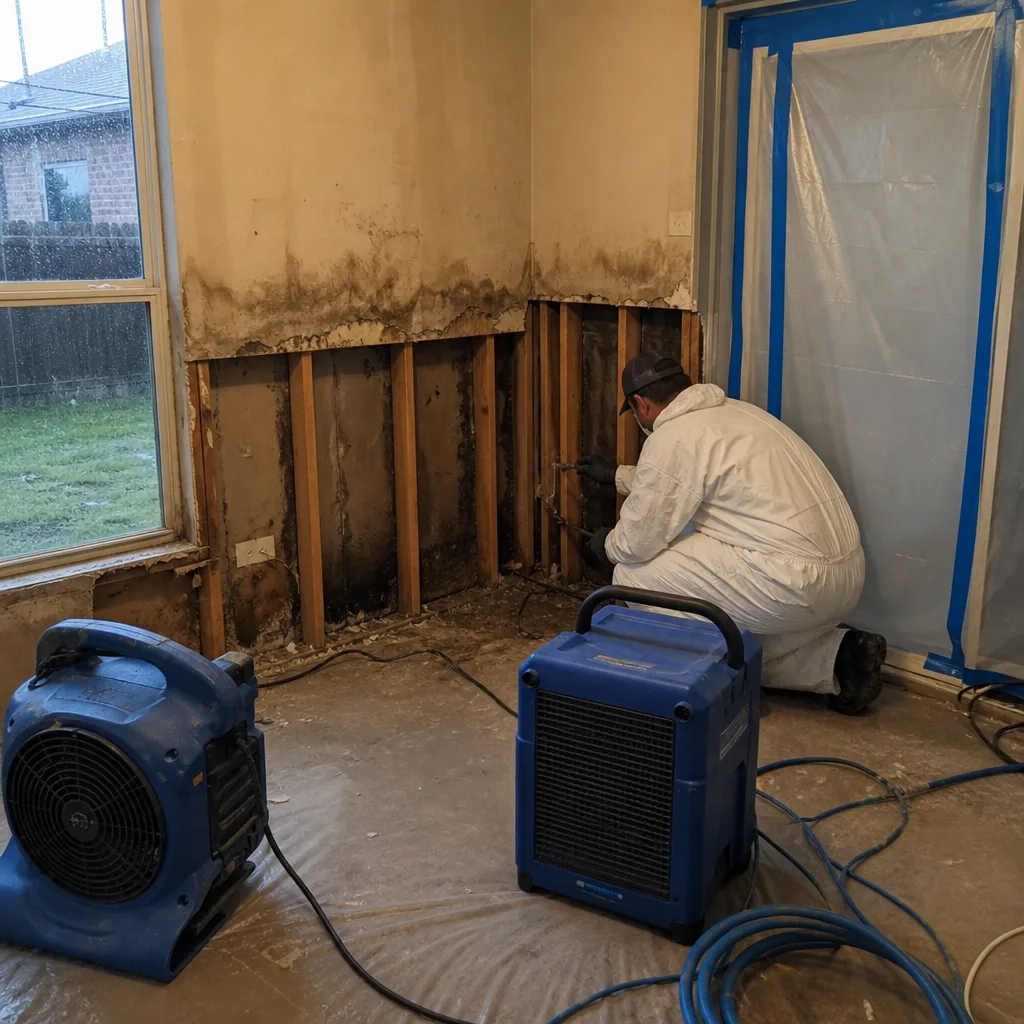 Before
 After
After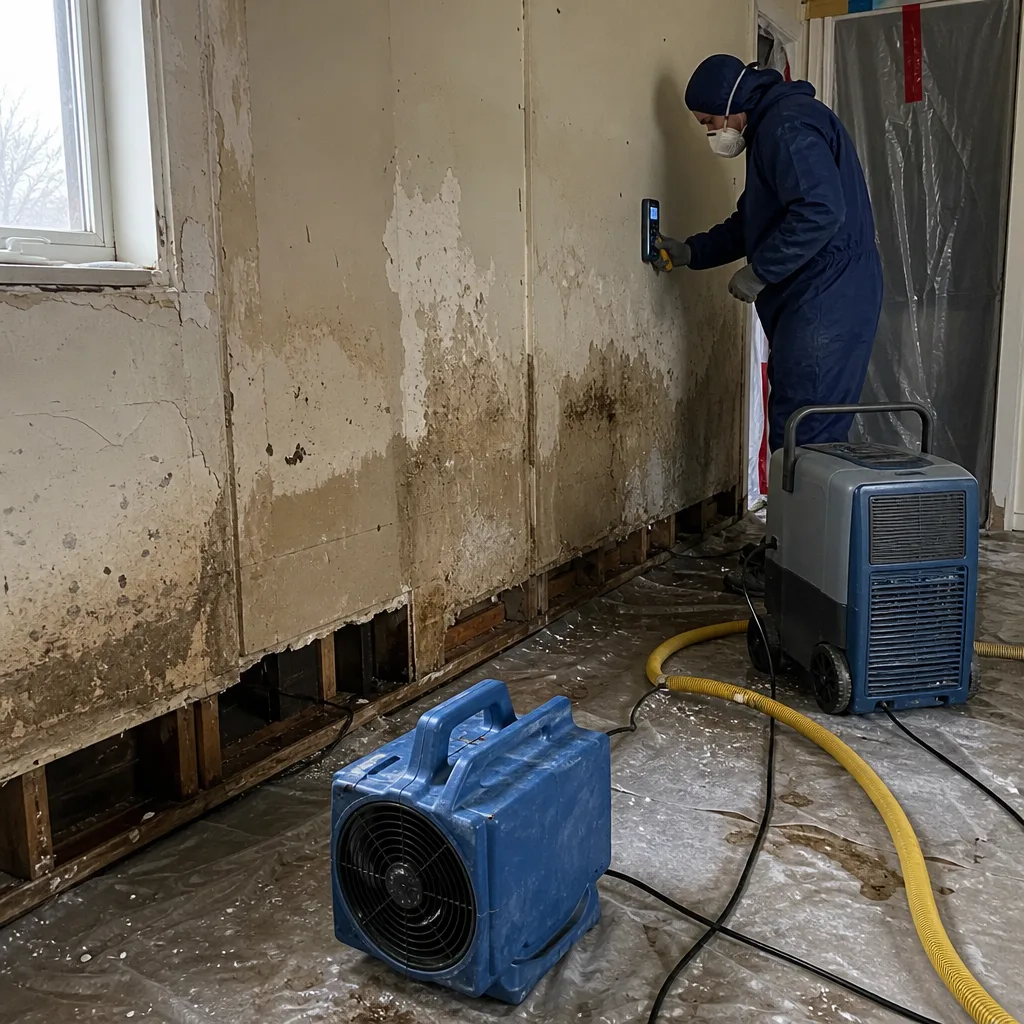 Before
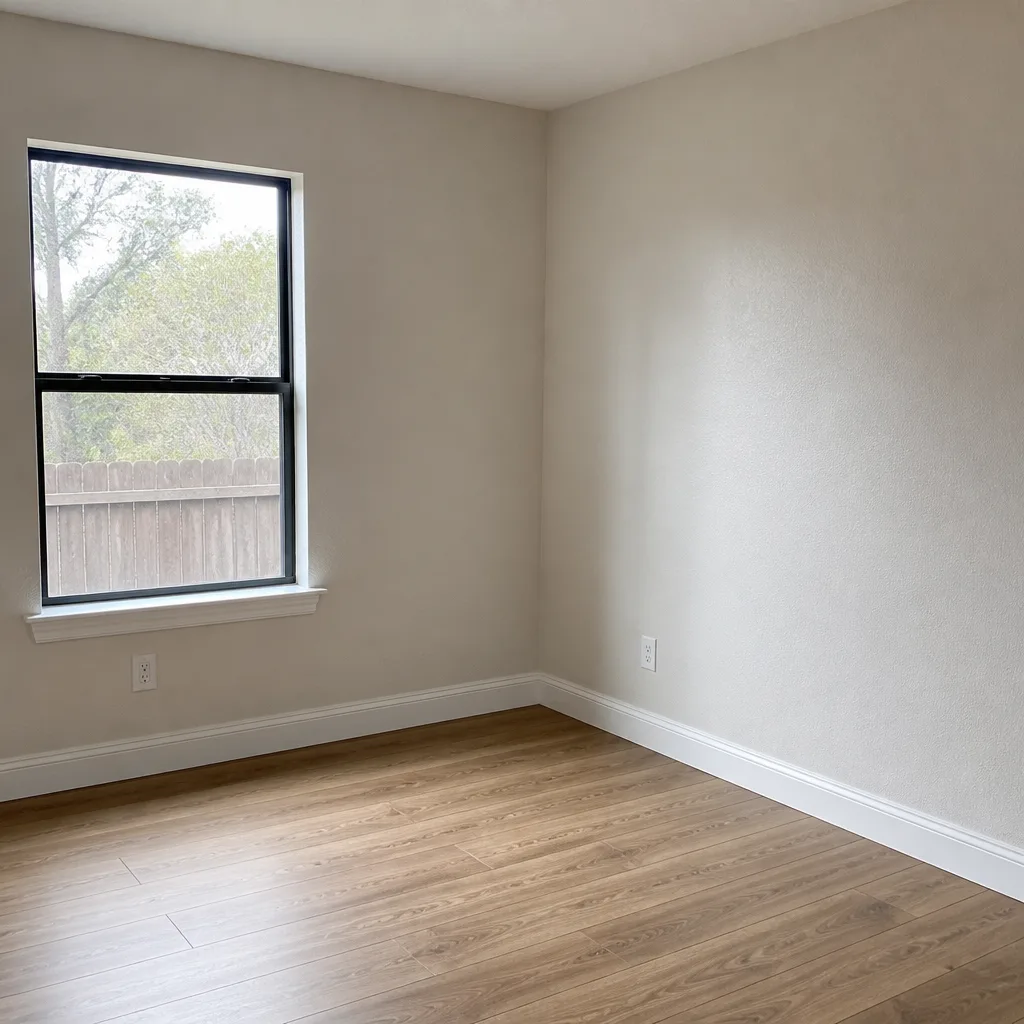 After
AfterWhen to Call a Professional
Some water damage is a mop and a fan. The rest needs professional equipment and training. Call a professional when: standing water covers more than a few square feet, water has touched drywall or insulation, the water source is a sewage line or toilet overflow, water has been present for more than 24 hours, you smell a musty odor even after drying the surface, you see staining or warping on walls or floors, or the water came from a roof leak and the ceiling is sagging. If the water reached the electrical outlets, the risk of shock is real, and a professional should handle the assessment before anyone touches the area. Marsh Water Damage San Antonio offers free estimates in San Antonio, call (325) 252-3917.
Frequently Asked Questions
Most residential water extraction in San Antonio runs between $1,800 and $4,200 before drying equipment is set, with full mitigation and rebuild typically landing between $4,500 and $14,000 depending on square footage and materials. Mold remediation runs $2,000 to $8,000. Call (325) 252-3917 for an exact quote, estimates are free.
A live person answers every Marsh Water Damage San Antonio call 24 hours a day, 7 days a week, including holidays. The dispatcher can tell you the current availability and typical response time for your neighborhood. In a city the size of San Antonio, response time varies by location, but a live person picking up the phone means you’ll know immediately.
Most homeowners policies in San Antonio cover sudden and accidental water damage, including burst pipes, water heater failures, and storm-related water intrusion. Gradual damage from a slow leak is typically excluded. The key is documentation: time-stamped photos, written moisture readings, and a detailed scope of work submitted before temp repairs erase the evidence.
If the water was clean, caught within 24 hours, and moisture readings are under 15%, surface drying and cleaning may be enough. If the water sat for more than 48 hours, touched drywall, or came from a sewage line, full mitigation including demolition and antimicrobial treatment is the only honest answer. A contractor who tells you otherwise is selling you a future mold problem.
A legitimate restoration company deals directly with your adjuster. We coordinate adjuster visits, share moisture readings and scope documentation, and advocate for accurate claim payment. You should never feel like you’re the middleman between your restoration contractor and your insurance company.
Turn off the water source if you can do so safely, shut off electricity to the affected area if water has reached outlets or the breaker panel, and call a restoration company with 24/7 live dispatch. Move valuables to a dry area, but don’t enter standing water if the electrical system may be compromised. Call (325) 252-3917 and a live person will walk you through the next steps.
The Bottom Line
Restoration in San Antonio is a process with a specific sequence, measurable milestones, and documentation at every step. You now know what the process is supposed to look like, what moisture readings are acceptable, what a completion certificate should include, and how to separate mitigation from restoration. The contractor who follows that process and shows you the numbers is the contractor to trust. The contractor who skips steps and hides behind verbal assurances is the one to avoid. If you’re dealing with water, mold, or storm damage in San Antonio, call (325) 252-3917. A live person will answer, and you’ll get a written price before any work begins. The Marsh Water Damage San Antonio home page has more on our equipment, credentials, and the Threshold Verified standard.
Written by Tobias Reyner, Owner at Marsh Water Damage San Antonio, serving San Antonio since 2005. Explore more guides & resources from our team.