

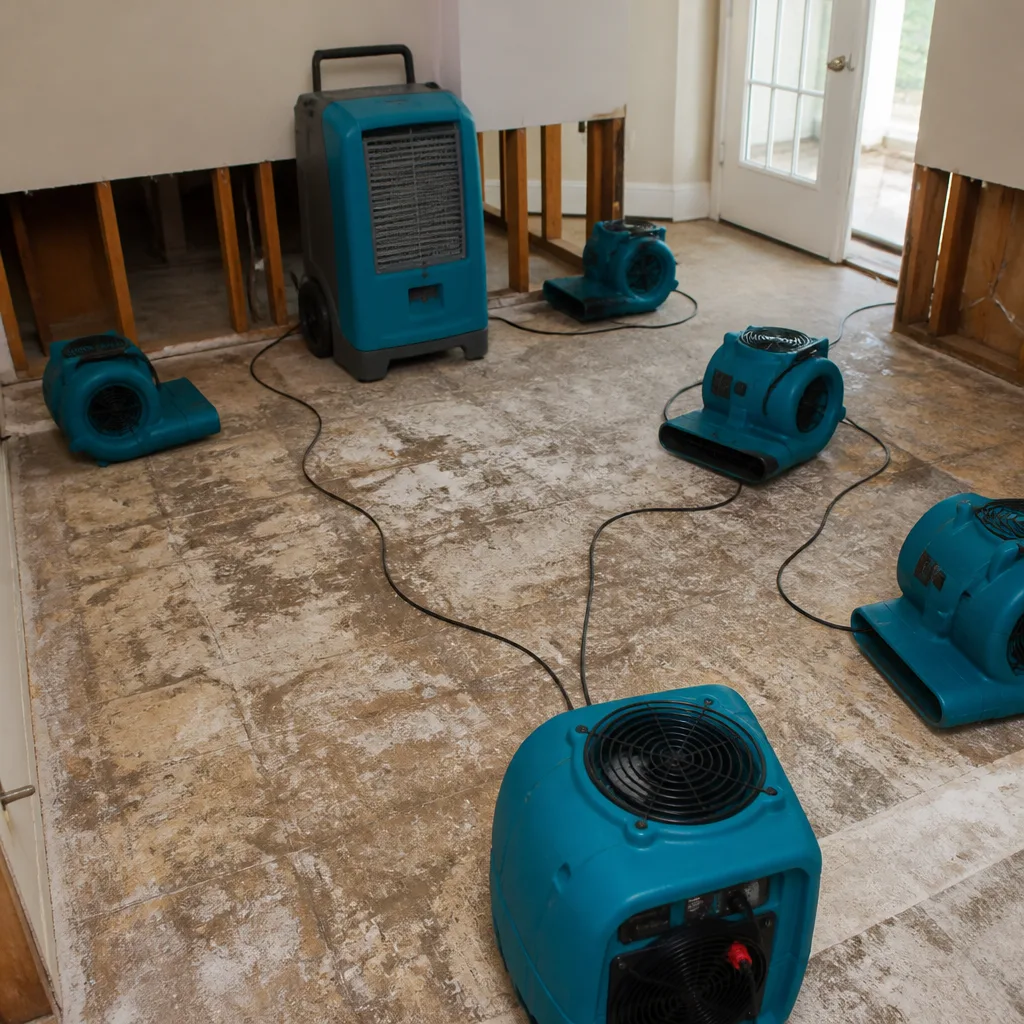
 Water damage drying
 Fire & smoke cleanup
 Mold remediation
 Storm response
 Sewage cleanup
 Reconstruction
Free visual inspection and a written scope of work before any mitigation begins - photos, moisture readings, and drying logs go in your claim file
The scope we write is the scope we bill. Anything new gets shown to you, in writing, before we touch it.
Get your free estimateFast, Reliable Storm Damage Restoration Across Castle Hills
Storm damage in Castle Hills rarely announces itself politely. A hail burst splits a composition shingle roof on Honeysuckle Lane, wind drives rain through a failed window seal above custom built-ins, or a lightning strike sends a surge through an aging panel on Mimosa Drive. When it happens, the clock starts ticking on your hardwood, your cabinetry, your sheetrock. Marsh Water Damage San Antonio responds to Castle Hills storm calls the same day, often within 90 minutes, and we bring drying equipment sized correctly for fine custom interiors, not warehouse floors. Call (325) 252-3917 and a live person answers, day or night.
Why Marsh Water Damage San Antonio Is Castle Hills’s Preferred Storm Damage Restoration Company
Castle Hills isn’t a cookie-cutter suburb, and we don’t treat it like one. The homes here, from the 1960s ranch styles off West Avenue to the later custom builds near the Castle Hills Forest, demand a restoration crew that understands slab foundations, veneer finishes, and the particular plumbing history of the area. Our Storm Damage Restoration team has worked streets where every third house still carries original polybutylene supply lines, and that local knowledge changes how we diagnose storm versus pipe water.
Every technician who arrives at your Castle Hills door is background-checked, identity-verified, and sent to you by name and photo before the truck leaves our dispatch. The Threshold Standard isn’t a slogan for us; it’s five steps: verified identity, photo before arrival, badge at the door, written scope, written price. Tobias Reyner, who leads our restoration operations, insists on it for every single call, including the 2 a.m. storm emergencies.
Restoration work we handle
Flood Restoration in Castle Hills
Flood Restoration in Castle Hills most often means water that entered through the building envelope after a storm: a roof puncture, a window seal failure, or a door threshold overwhelmed by runoff from the sloped lots along Lockhill Selma. We extract standing water, map moisture through walls and under slab flooring, and set drying chambers sized to the room, not the warehouse. For a typical single-room flood restoration in Castle Hills, most homeowners pay between $2,800 and $6,500 depending on how far the water traveled and whether custom millwork is involved.
Structural Drying Without Tear-Out
Castle Hills homes often have original wood paneling, built-in bookcases, and antique heart-pine floors that a production-minded crew would rip out and replace. We dry those materials in place when the moisture data supports it. Injectidry systems pull water out from under cabinetry and through wall cavities without removing a single piece of trim.
Moisture Mapping Before Any Demo Decision
We don’t cut until we know. Psychrometric readings (measuring the moisture in the air and in materials) tell us exactly where the water went. On a storm loss in a 1970s custom build off Bryn Mawr, moisture mapping found water had wicked 14 feet from the window leak point, under a slab seam, where the homeowner never saw it. That’s the difference between drying what’s wet and guessing.
Basement Flood Cleanup in Castle Hills
Basement Flood Cleanup in Castle Hills is less common than in northern markets, but the homes that have basements, typically the larger custom builds and a handful of mid-century designs near the golf course, face a specific problem: clay-heavy soil and poor drainage can hold stormwater against foundation walls for days. Water seeps through micro-cracks, and by the time you see it on the floor, the sill plates and framing behind finished walls are already wet. Expect basement flood cleanup in Castle Hills to run $3,200 to $8,000 for extraction, drying, and antimicrobial treatment, with the higher end reflecting finished basements with carpet, drywall, and built-out rooms.
Slab and Sill Plate Drying
Basement water in Castle Hills doesn’t just sit on the surface; it climbs. We monitor moisture in floor joists, sill plates, and any wood in contact with the foundation. Drying those structural members properly prevents long-term rot and keeps your basement from smelling like a marsh every humid summer.
Protecting Original Woodwork During Basement Dry-Out
Finished basements in Castle Hills often include built-in bars, wood wainscoting, and cabinetry that would be expensive to match. We use containment and controlled airflow, not oversized fans on full blast, to dry the space without warping veneer or delaminating trim. The equipment matters: Dri-Eaz and Phoenix gear gives us fine control over airflow and humidity.
Trusted Brands We Service in Castle Hills
Castle Hills homes feature a lot of original craftsmanship, and that craftsmanship often sits next to mechanical systems from brands that have come and gone. We service and restore around all of them. Whether your storm loss involves a high-end HVAC unit from the 1990s, a water heater tucked into a custom closet, or original polybutylene plumbing still in the wall, our techs carry the adapters, fittings, and parts knowledge to work around what’s there. We stock common replacement materials for Dri-Eaz and Phoenix drying systems so a failed component doesn’t add a day to your dry-out. Castle Hills homeowners shouldn’t have to wait on a parts truck from Dallas while their oak floors cup.
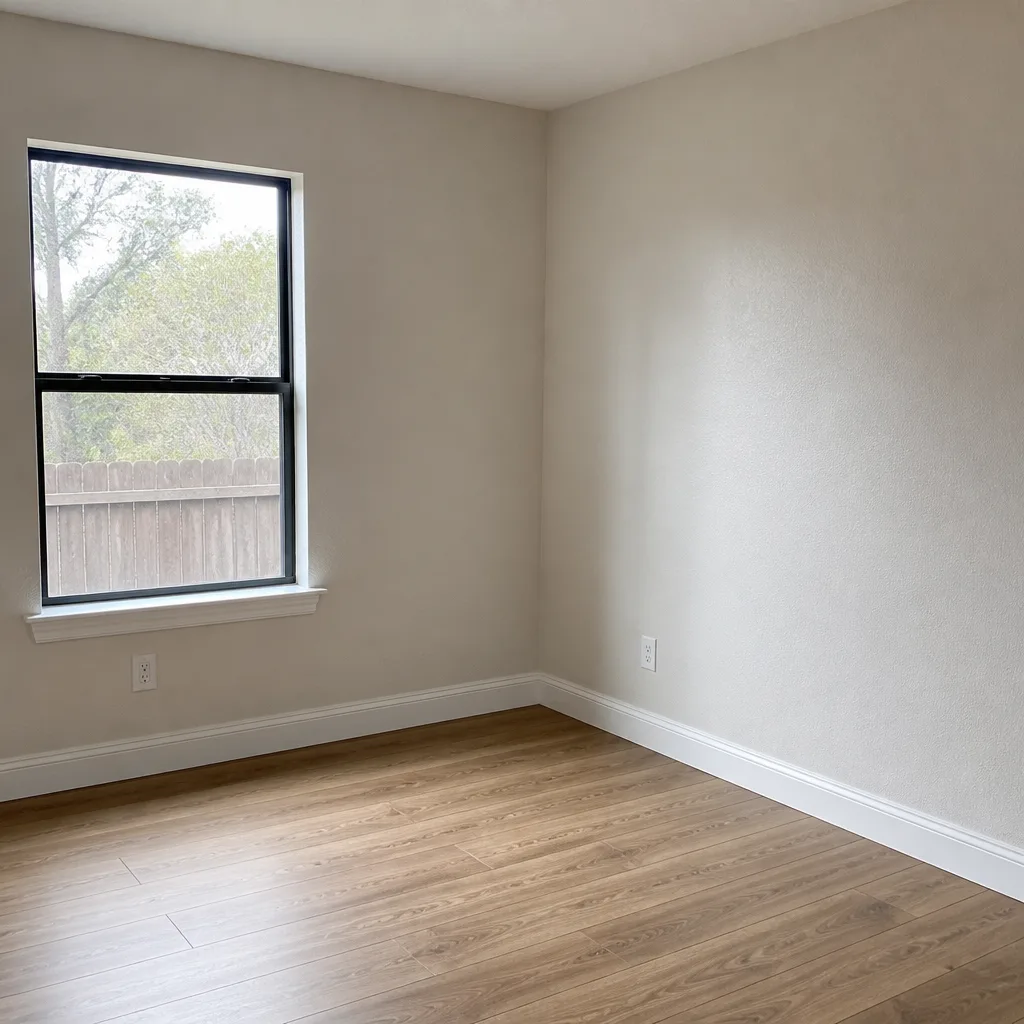
See the difference
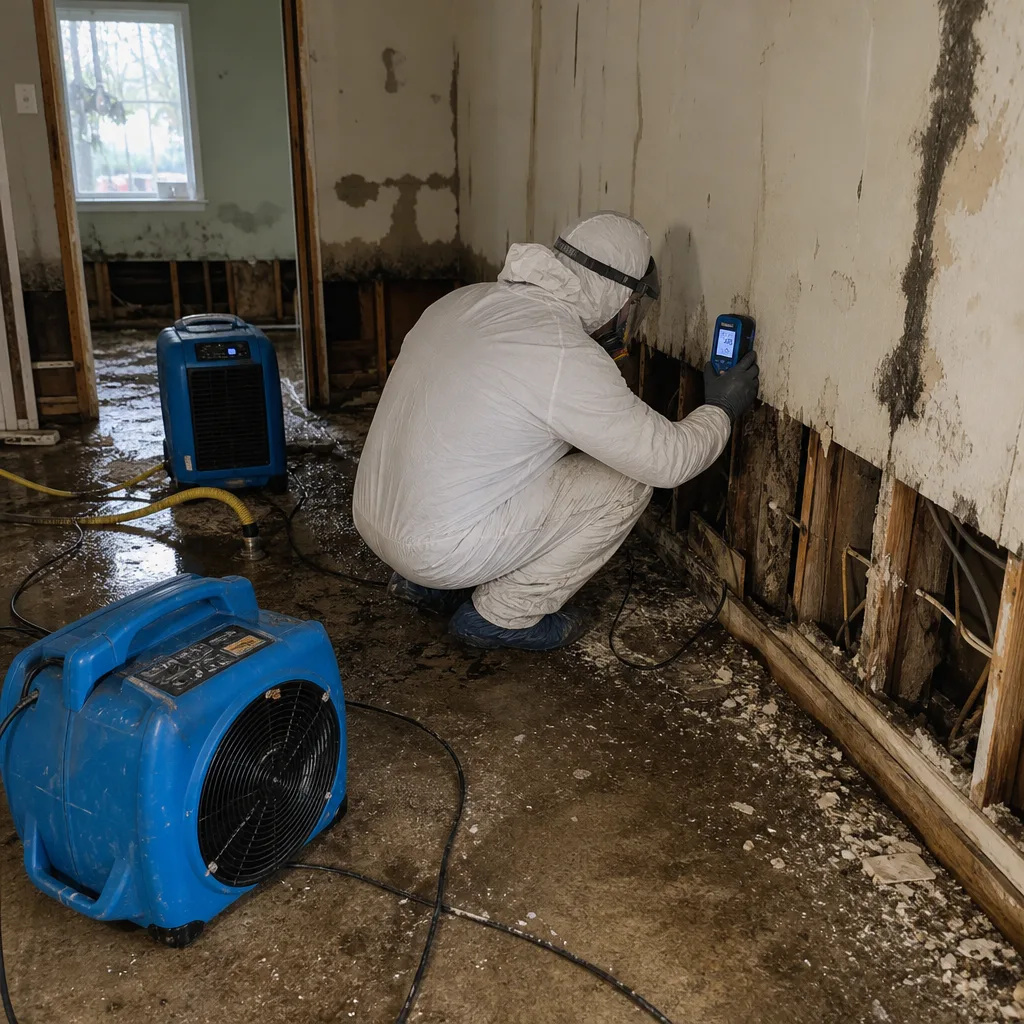 Before
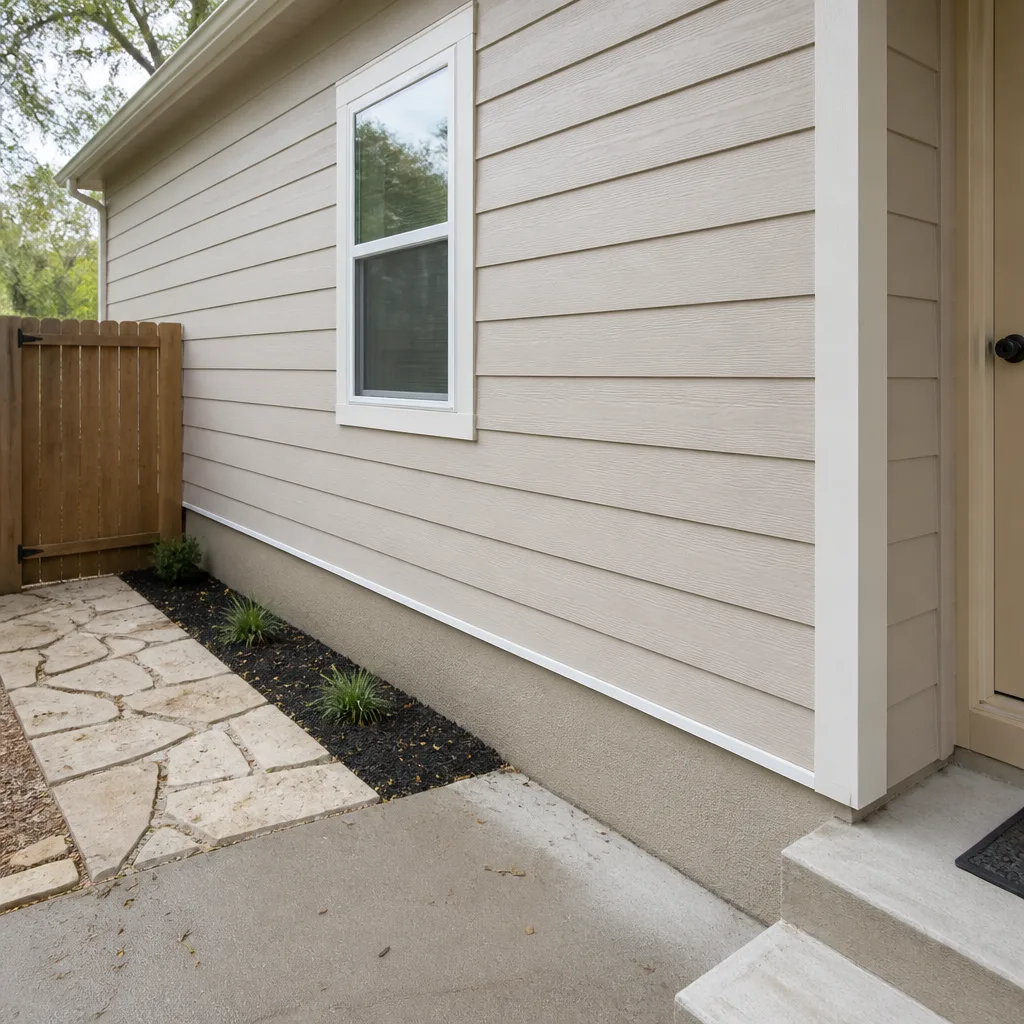 After
After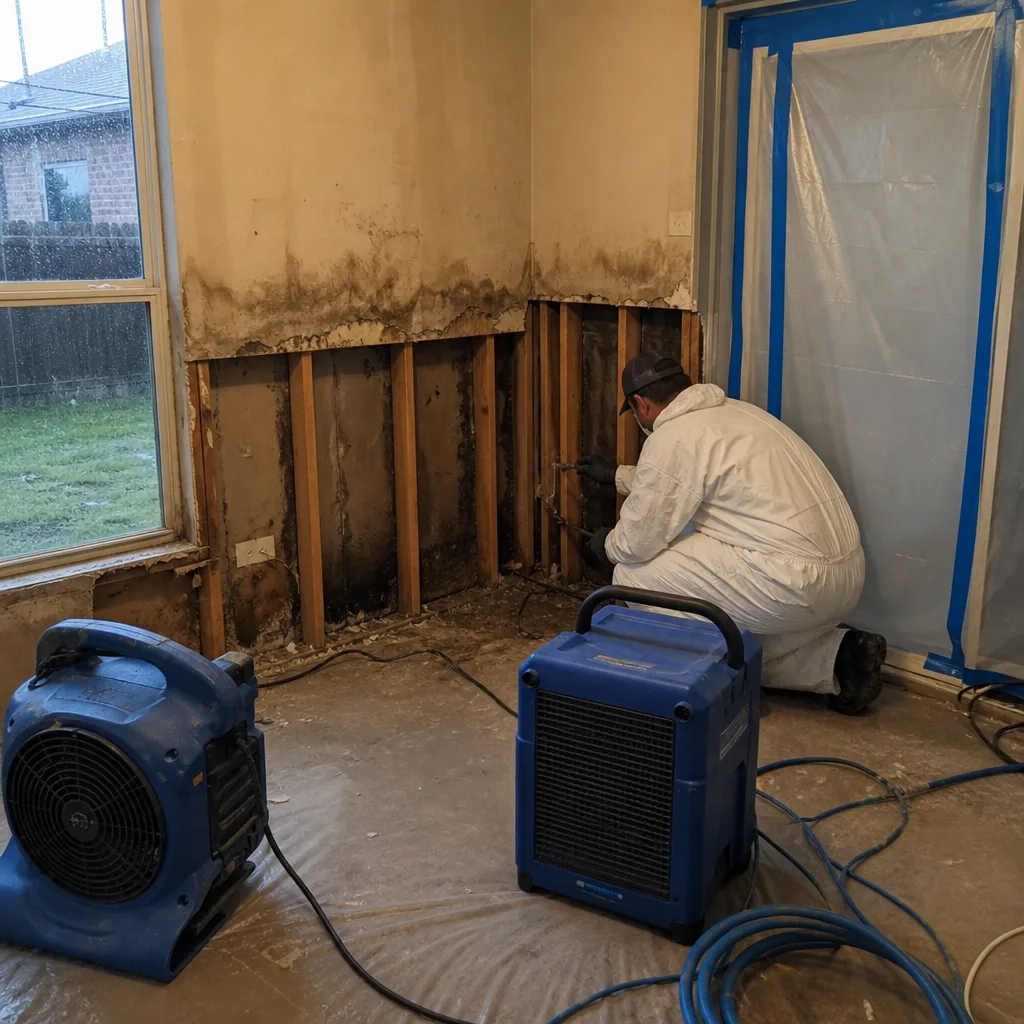 Before
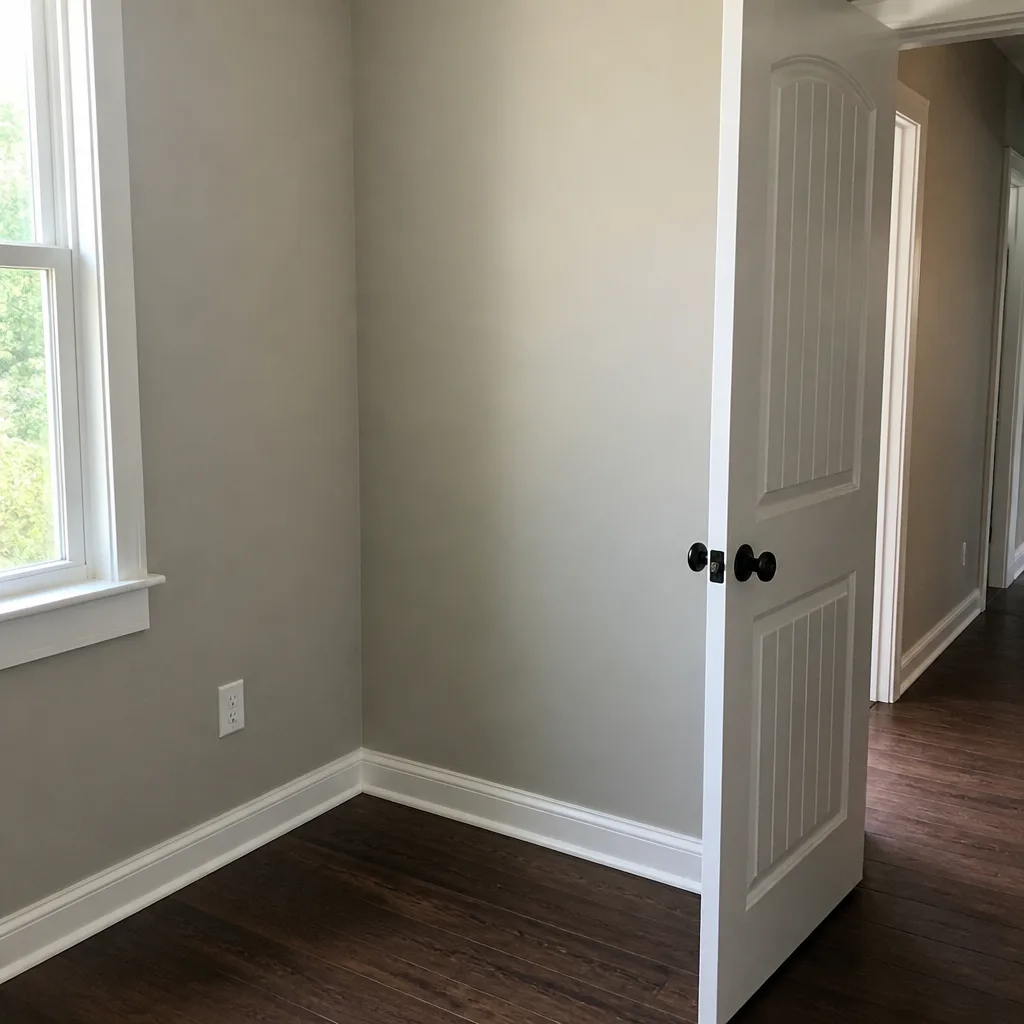 After
After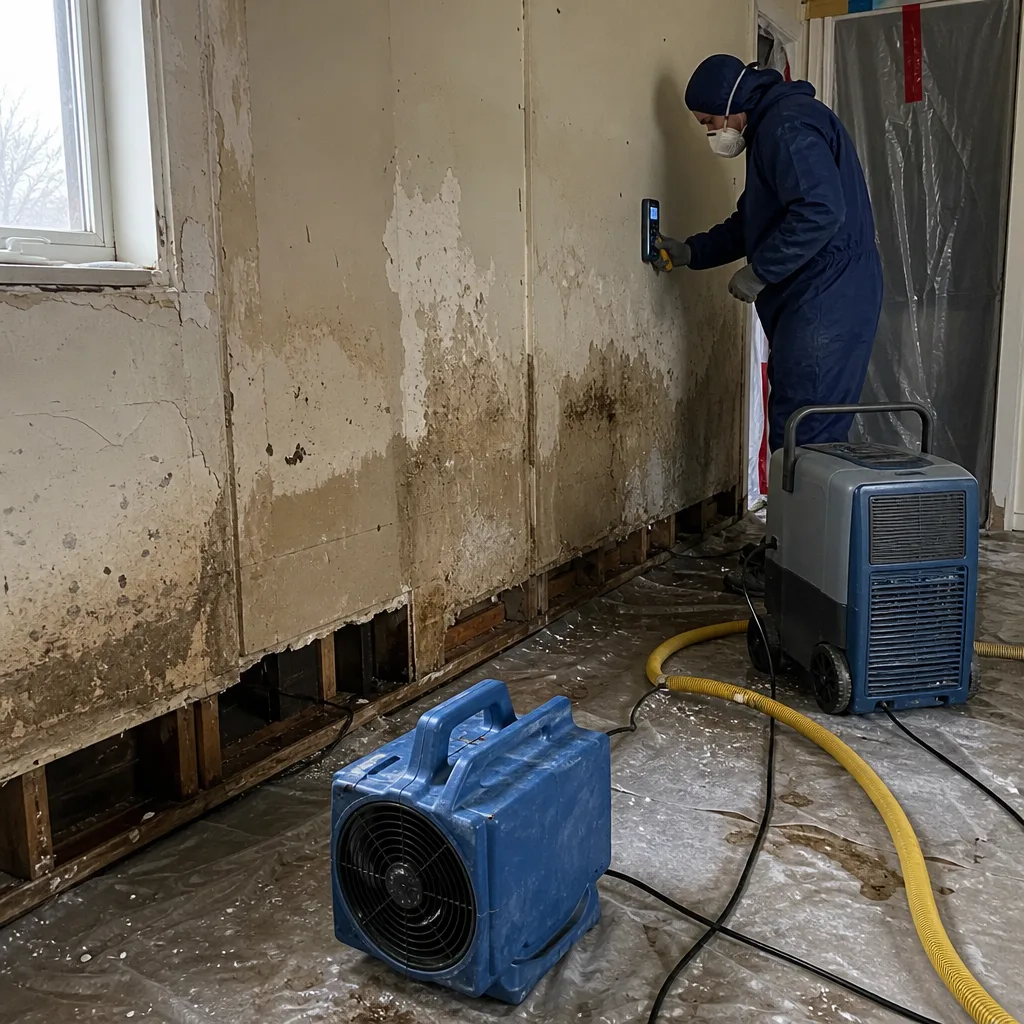 Before
 After
AfterCommon Storm Damage Restoration Problems We See in Castle Hills Homes
- Failed window seals above custom built-ins. Many 1970s and 1980s Castle Hills homes have original aluminum-frame windows. Storm-driven rain works into the seal, runs down the wall cavity, and pools behind bookcases and cabinets. The first sign is often swollen wood or a musty smell, not visible water.
- Polybutylene pipes that were already failing before the storm. The storm gets blamed, but the gray plastic supply lines in many Castle Hills homes micro-fractured years ago. We routinely find hidden pipe leaks behind walls while tracing storm water, and that changes the repair scope and the insurance conversation.
- Slab moisture misread as storm intrusion. Crews without local experience see a wet slab and assume surface water. In Castle Hills, where original cast iron and polybutylene run under slabs, that moisture can be a simultaneous pipe failure. Missing it means the floor dries, then gets wet again in a month.
- Containment skipped during storm-damage demolition. Cutting out wet drywall creates dust and, if mold is present, spreads spores. In a Castle Hills home with original built-ins and fabric wall coverings in adjacent rooms, that’s a costly mistake. We set negative air containment on every demolition day.
Pricing for Storm Damage Restoration in Castle Hills, TX
We believe in telling you the number before you sign anything, and before we plug in the first fan. A typical storm-related flood restoration in Castle Hills runs $2,800 to $6,500 per affected room. Basement flood cleanup runs $3,200 to $8,000 depending on finish level. Full storm damage restoration involving structural drying, trim protection, and polybutylene pipe inspection can run $7,500 to $18,000 for larger losses. The variables are square footage, how far water migrated, whether custom woodwork needs in-place drying, and whether hidden pipe failure is discovered during our moisture mapping. You get a written price before any work begins. If the repair isn’t right within 365 days, we make it right, free second visit included. That’s the 365-Day Done Right Promise, printed on every work order. Call (325) 252-3917 for a free estimate specific to your Castle Hills home.
We Also Serve Cities Near Castle Hills
Our storm restoration crews work throughout the northeast San Antonio corridor. We serve Castle Hills, plus Storm Damage Restoration in Castle Hills neighbors in San Antonio, Selma, Boerne, and Converse. If you’re just outside the Castle Hills city line and dealing with storm water, call us and we’ll confirm coverage for your street.
Serving Castle Hills, TX - Our Local Coverage Area
We’re based in the Castle Hills area and know this community well. Use the map below to see our service coverage - if you’re nearby, we can almost certainly help.
FAQs About Storm Damage Restoration in Castle Hills
We dry custom built-ins in place using low-pressure Injectidry systems that pull moisture through small inconspicuous holes behind the casework and under toe kicks. This works when the wood is wet but not decomposing. We monitor moisture content daily until the readings match pre-loss levels. If the damage is too advanced, we say so plainly and give you a written scope for the removal and rebuilding option before any work starts. Call (325) 252-3917 and we’ll assess your built-ins.
Yes, in most cases. We use floor mat drying systems that create a vacuum seal over the flooring surface and pull moisture out through the slab itself. This works on tile, stone, and solid hardwood when the water hasn’t caused adhesive failure or cupping beyond repair. If the flooring is already delaminating, drying won’t reverse that, and we’ll tell you before we start. Call (325) 252-3917 for a moisture assessment.
Because many Castle Hills homes built in the 1980s still have polybutylene supply lines, and those gray plastic pipes are notorious for sudden bursts and slow hidden leaks. When we see slab moisture or wall moisture that doesn’t match the storm’s path, we check for polybutylene. Finding it changes the source of the loss, which changes what your insurance covers and what we need to fix. Ask us about it during your estimate.
We set containment barriers so drying chambers don’t pull moisture out of unaffected rooms, and we run dehumidifiers sized to the cubic footage, not oversized units that strip moisture too fast. We also place temperature and humidity sensors near fine woodwork and adjust airflow daily. Tobias Reyner’s team has restored enough Castle Hills interiors to know that antique walnut doesn’t forgive a rushed dry-out. Call (325) 252-3917 and we’ll walk you through the protection plan.
Heart-pine floors that sit wet for 24 to 48 hours typically cup and can develop permanent staining as tannins leach into the surface. We can often save the floor with aggressive but controlled drying and, if needed, a screening and refinish. The faster we get the water out, the better the odds. If the wood is already buckling, we’ll give you a straight answer about what can be sanded flat and what needs board replacement. Call (325) 252-3917 for a free floor assessment.
Written by Tobias Reyner, Owner at Marsh Water Damage San Antonio, serving Castle Hills since 2005.