

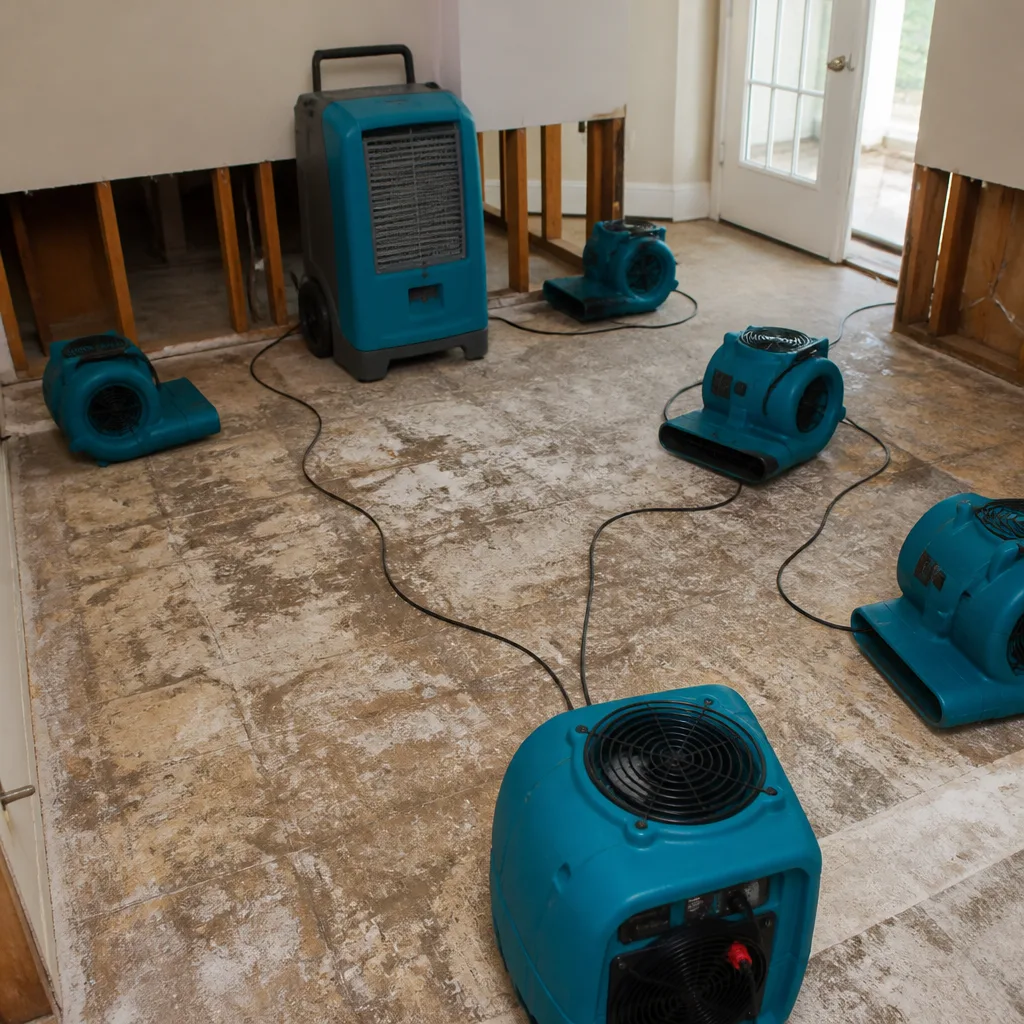
 Water damage drying
 Fire & smoke cleanup
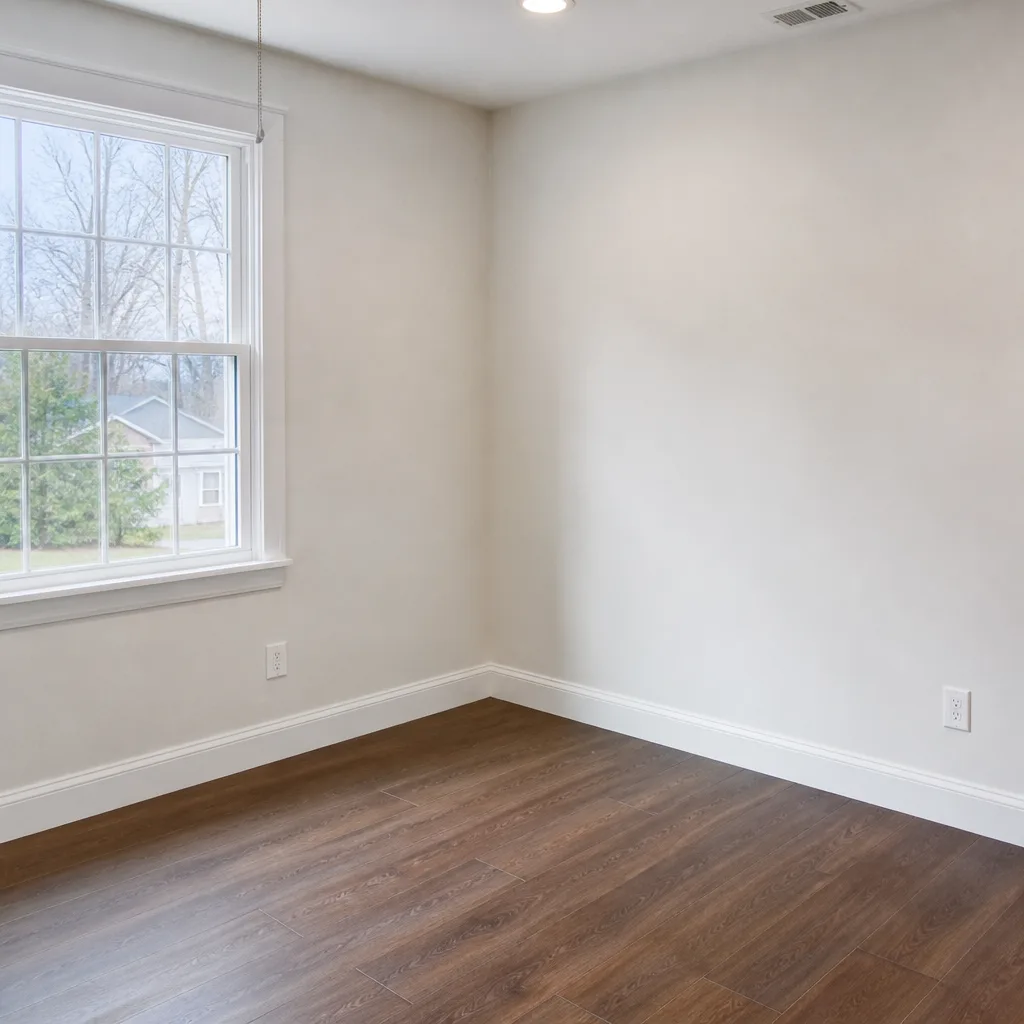 Mold remediation
 Storm response
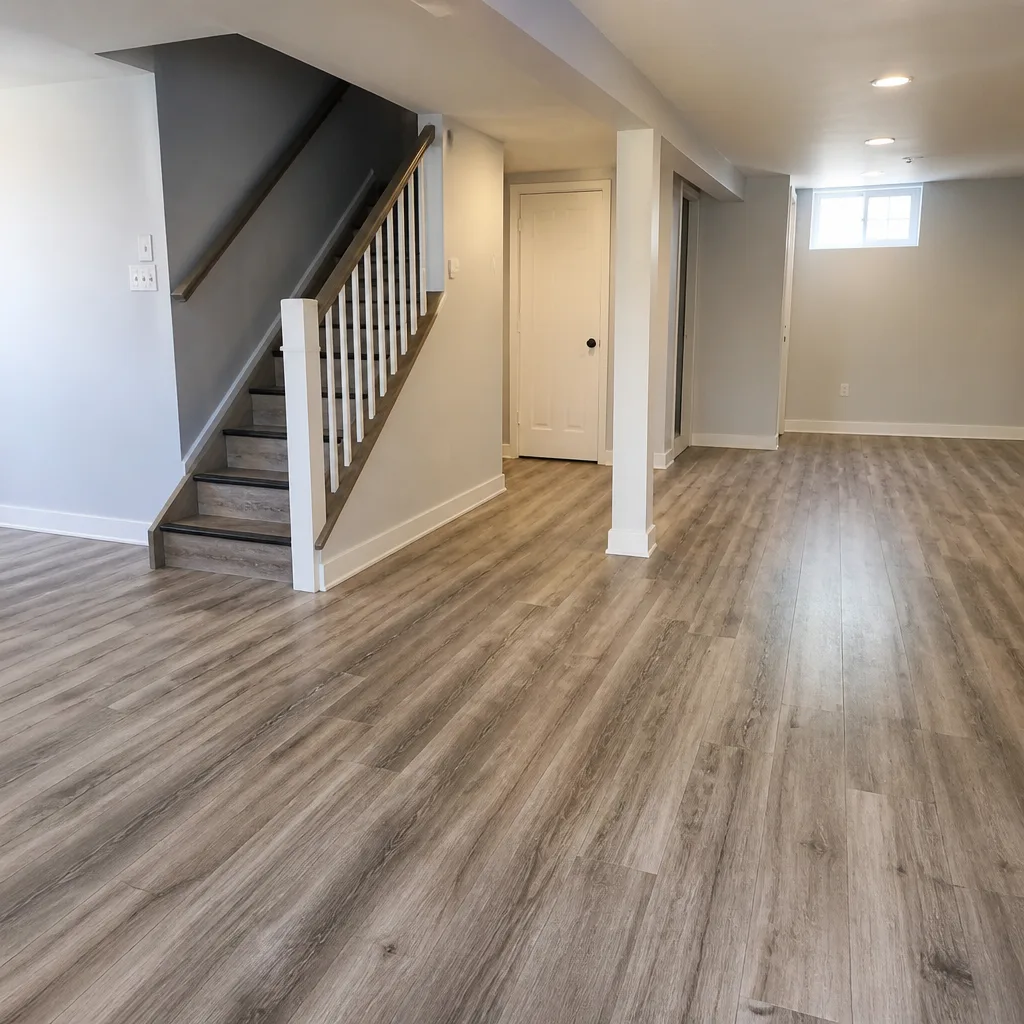 Sewage cleanup
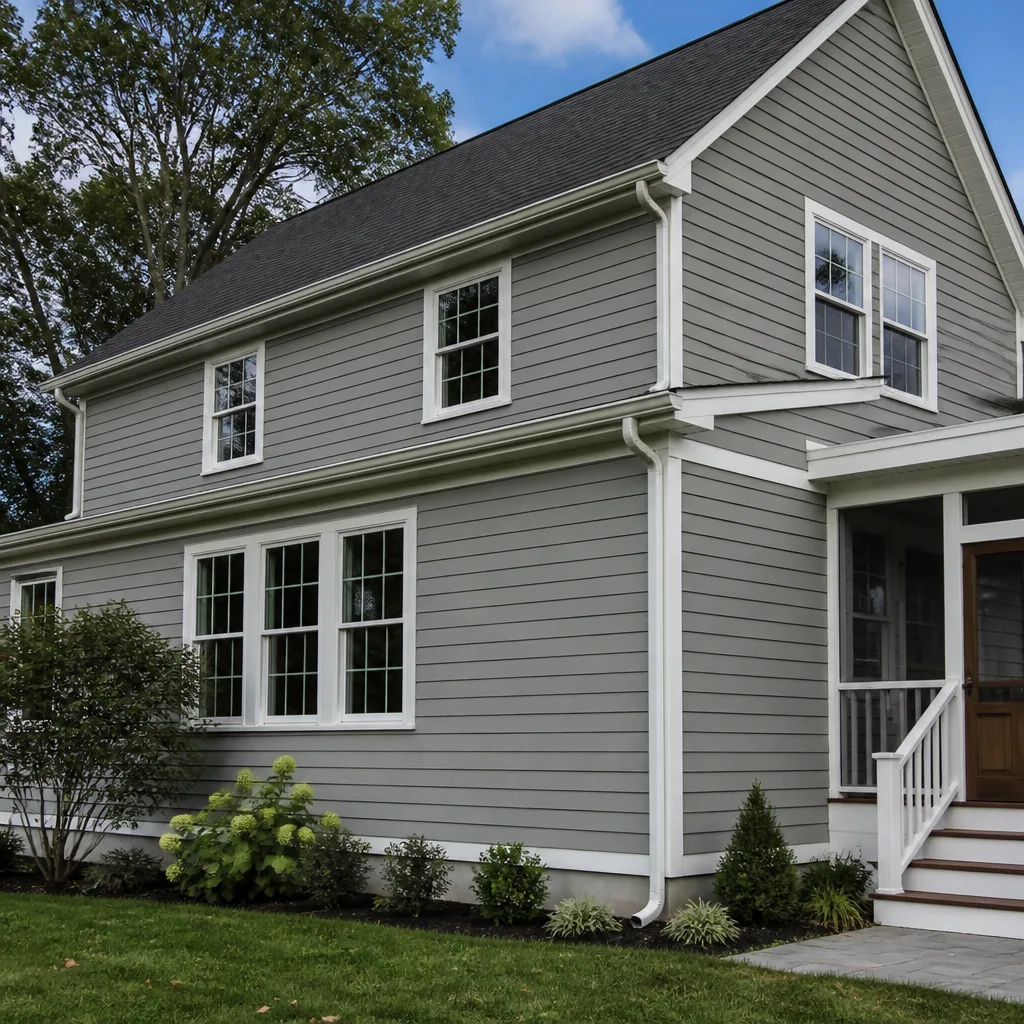 Reconstruction
Free visual inspection and a written scope of work before any mitigation begins - photos, moisture readings, and drying logs go in your claim file
The scope we write is the scope we bill. Anything new gets shown to you, in writing, before we touch it.
Get your free estimateFast, Reliable Mold Remediation Across Castle Hills
Mold remediation in Castle Hills typically costs between $2,800 and $7,500 for a contained removal, and most residential jobs are completed within three to five working days. We know this market well because we work in the neighborhoods off West Avenue, Loop 1604, and Northwest Military Highway every week. If you’ve spotted dark staining on drywall, a musty smell that won’t leave, or buckling baseboards after a plumbing leak, call (325) 252-3917. A live person answers around the clock, and we’ll have a Threshold Verified technician at your door with a written price before any work begins.
Why Marsh Water Damage San Antonio Is Castle Hills’s Preferred Mold Remediation Company
Our Mold Remediation crews understand Castle Hills’s housing stock in ways a generic restoration outfit never will. The homes here, built largely between the 1960s and 1990s, carry a specific set of risks: original polybutylene supply lines that fail without warning, cast iron drain pipes under slabs, and custom millwork that deserves preservation, not demolition. We’ve worked in the older sections near The Castle and along Honeysuckle Lane where mature trees shade homes and keep soil moisture high against foundation walls, which feeds crawl space problems all summer.
Tobias Reyner leads our technical team, and he insists on one standard for every Castle Hills call: the Threshold Verified protocol. That means the technician’s name and photo are sent to you before the truck rolls. They arrive in uniform, show a photo ID badge at the door, and hand you a written scope of work. No guessing who’s coming to your home. No unknown crew wandering through your hallway. We’ve been doing restoration since 2005 as part of the Threshold Group family, and the IICRC, RIA, and IFA credentials on our wall are the same ones major commercial projects demand.
Response time to Castle Hills is typically under two hours for emergency calls. We stage equipment locally, and our crews know the quickest routes into the city from the metro dispatch center.
Restoration work we handle
Mold Remediation Services in Castle Hills
Mold Remediation Services in Castle Hills start with a clear, honest assessment of what you’re actually dealing with. When a Castle Hills homeowner calls us, we’re not just looking at the visible stain. We’re asking what’s behind it, under it, and feeding it. A kitchen ceiling stain on a 1970s ranch might trace back to a failing cast iron drain line in the slab. A closet full of musty air might mean a polybutylene pipe has been weeping inside the wall for months. Our job is containment first, then removal, then drying verified by moisture readings, not a timer.
Containment and Air Filtration
Before we disturb any moldy material, we seal the work area with plastic sheeting and run negative air pressure through HEPA-filtered scrubbers. This keeps spores from drifting into your living room or your kids’ bedrooms. In Castle Hills homes with open floor plans, proper containment is the difference between a contained remediation and a house-wide spore problem.
Antimicrobial Application and HEPA Cleaning
After affected drywall, insulation, and carpet are removed, we treat the remaining surfaces with antimicrobial products and HEPA-vacuum every exposed stud and cavity. Then we dry the structure with Dri-Eaz dehumidifiers and Phoenix air movers until moisture readings confirm the wood is genuinely dry. Not surface-dry. Dry through the board.
What happens when you call
- 1
A real person answersNo phone trees - you reach a local pro.
- 2
You get an upfront price rangeHonest numbers before anyone is dispatched.
- 3
A background-checked tech heads outLicensed & insured, dispatched right away.
- 4
You approve before work beginsNothing starts until you say go.
Professional Mold Removal in Castle Hills
Professional Mold Removal in Castle Hills is not a spray-and-pray job, and we’d caution you against anyone who treats it that way. The homes here, many with slab foundations and original 1970s and 80s plumbing, hide moisture in places a homeowner never sees. We’ve pulled drywall in a Castle Hills hallway and found the bottom two feet of every stud soaked from a pinhole polybutylene leak that had been dripping for six months. The mold on the baseboard was the least of it. The real colony was inside the wall cavity.
Slab Leak Response and Drying
When a pipe under the slab fails, water wicks up through concrete and saturates the flooring, bottom plates, and drywall above. If the concrete isn’t properly mapped for moisture and dried, mold returns within weeks. We use Injectidry systems to pull water from wall cavities and drying mats on slab floors to drive moisture out of the concrete itself.
Custom Millwork Preservation
Castle Hills is full of homes with built-in bookshelves, custom cabinetry, and original wood paneling that simply can’t be replaced at any price. An injectidry setup can dry many of these features in place. A less experienced crew will tag them for the dumpster. We’d rather save the craftsmanship you bought this house for.
Trusted Brands We Service in Castle Hills
We run Dri-Eaz and Phoenix drying equipment on our Castle Hills jobs because these are the brands that hold their performance under the humidity loads we get from late spring through September. Our team’s RIA and IFA training means we use that equipment according to current industry standards, not guesswork. Because we service Castle Hills regularly, we keep our drying inventory staged for fast local dispatch. The equipment arrives ready to run the first day, not the third.
See the difference
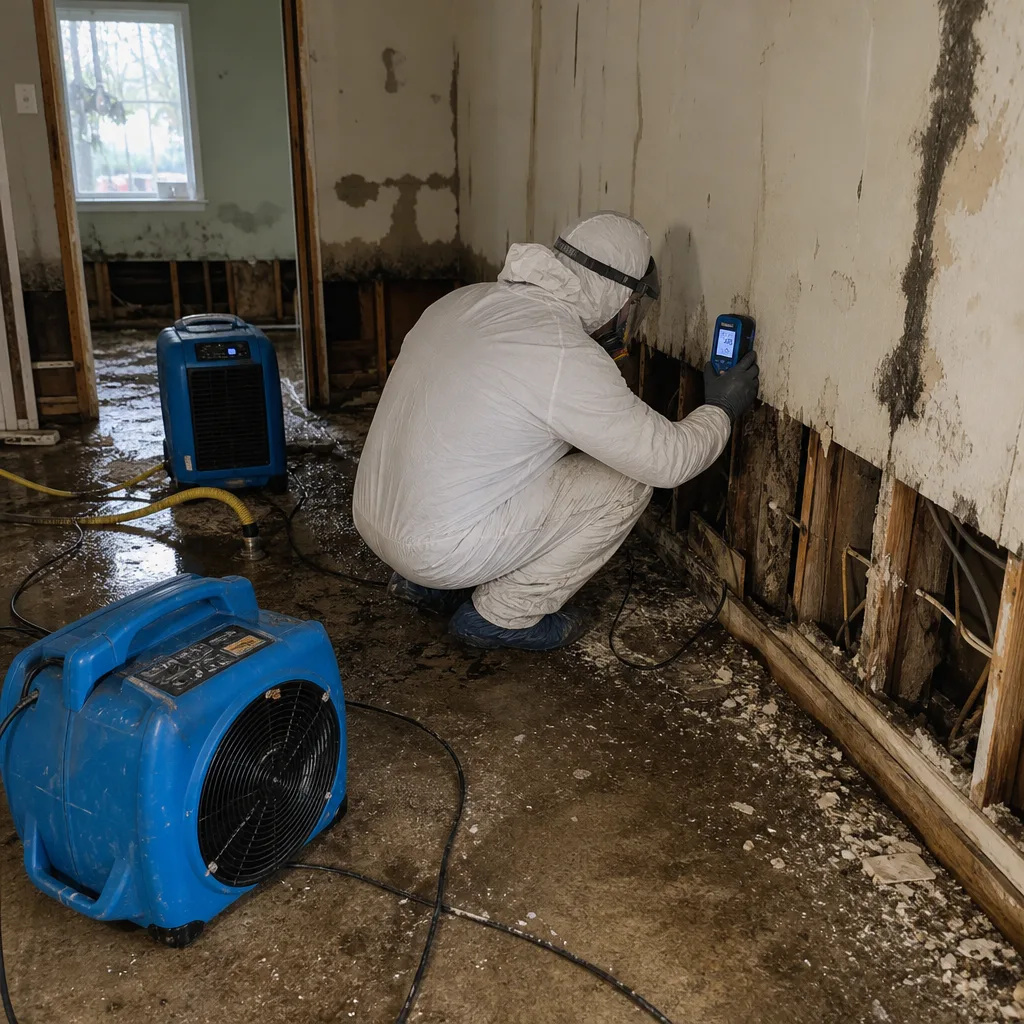 Before
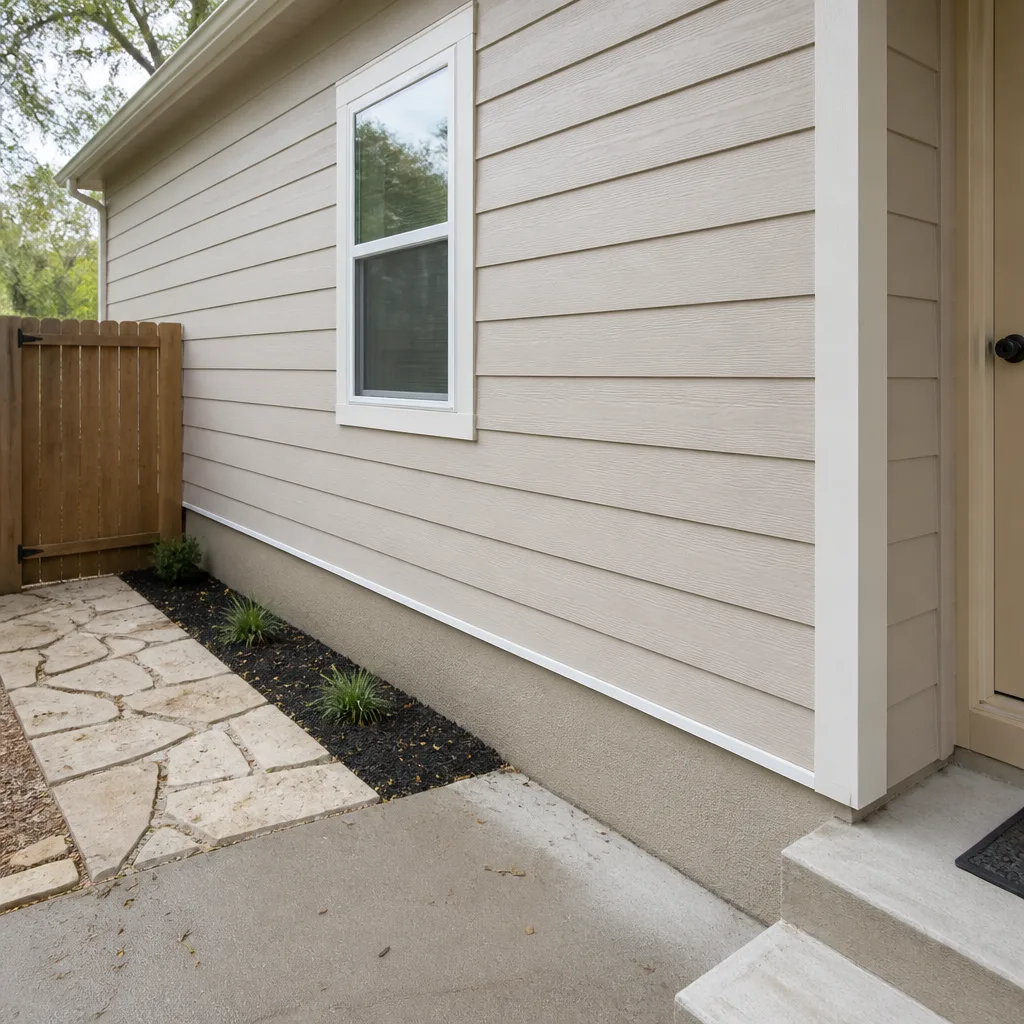 After
After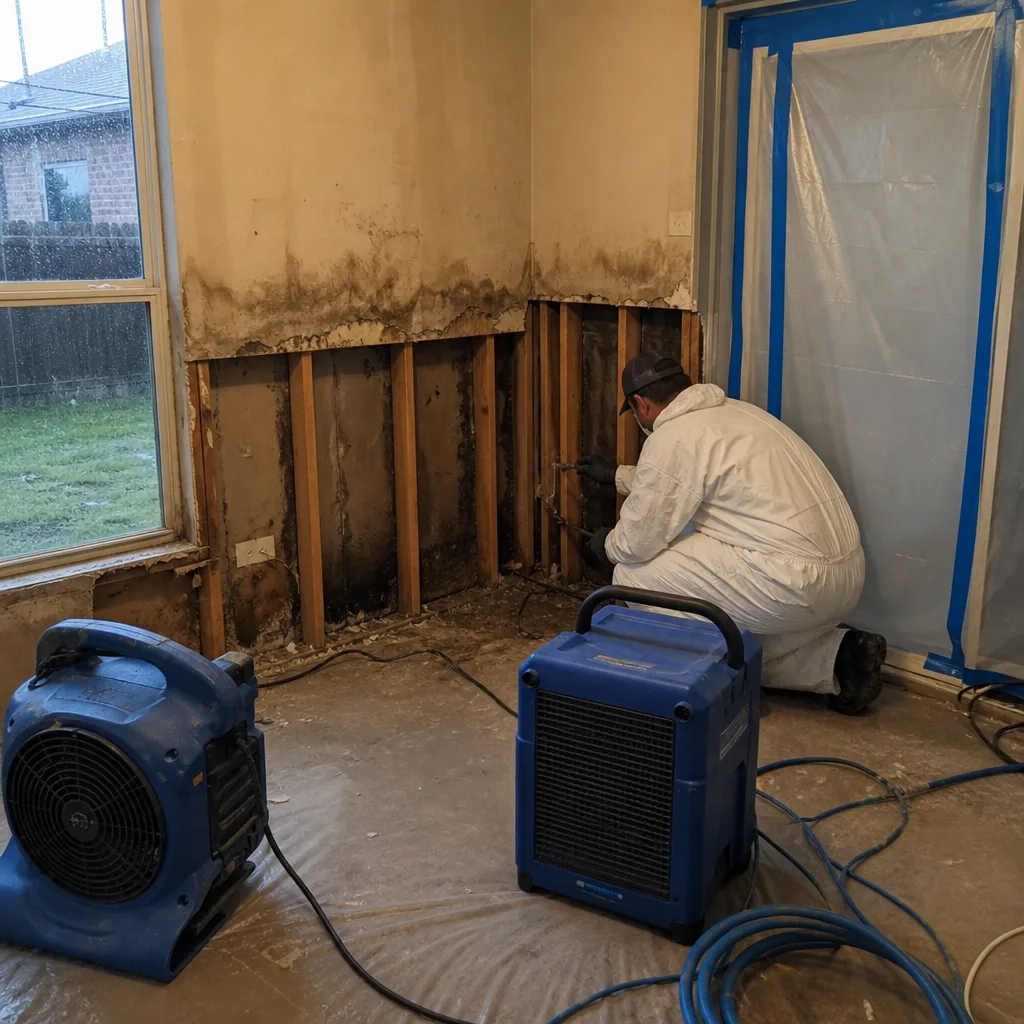 Before
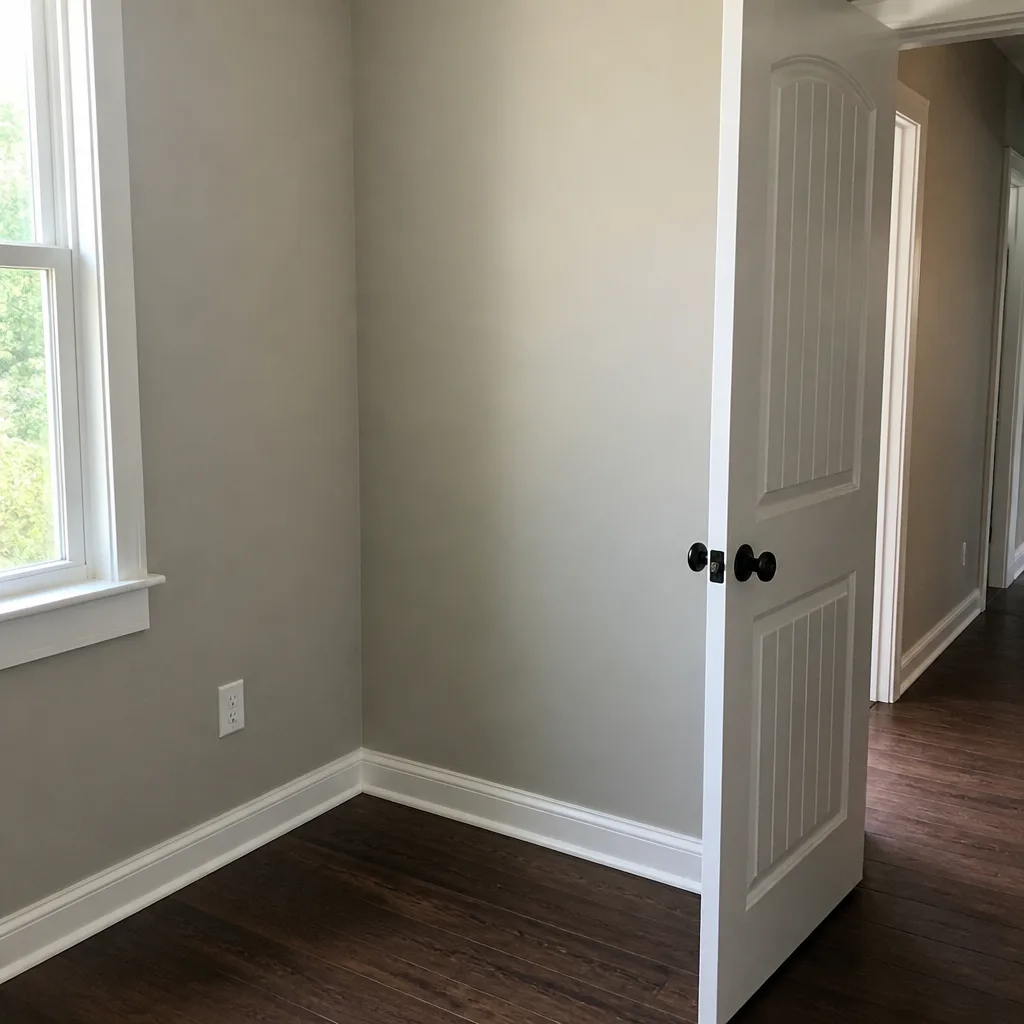 After
After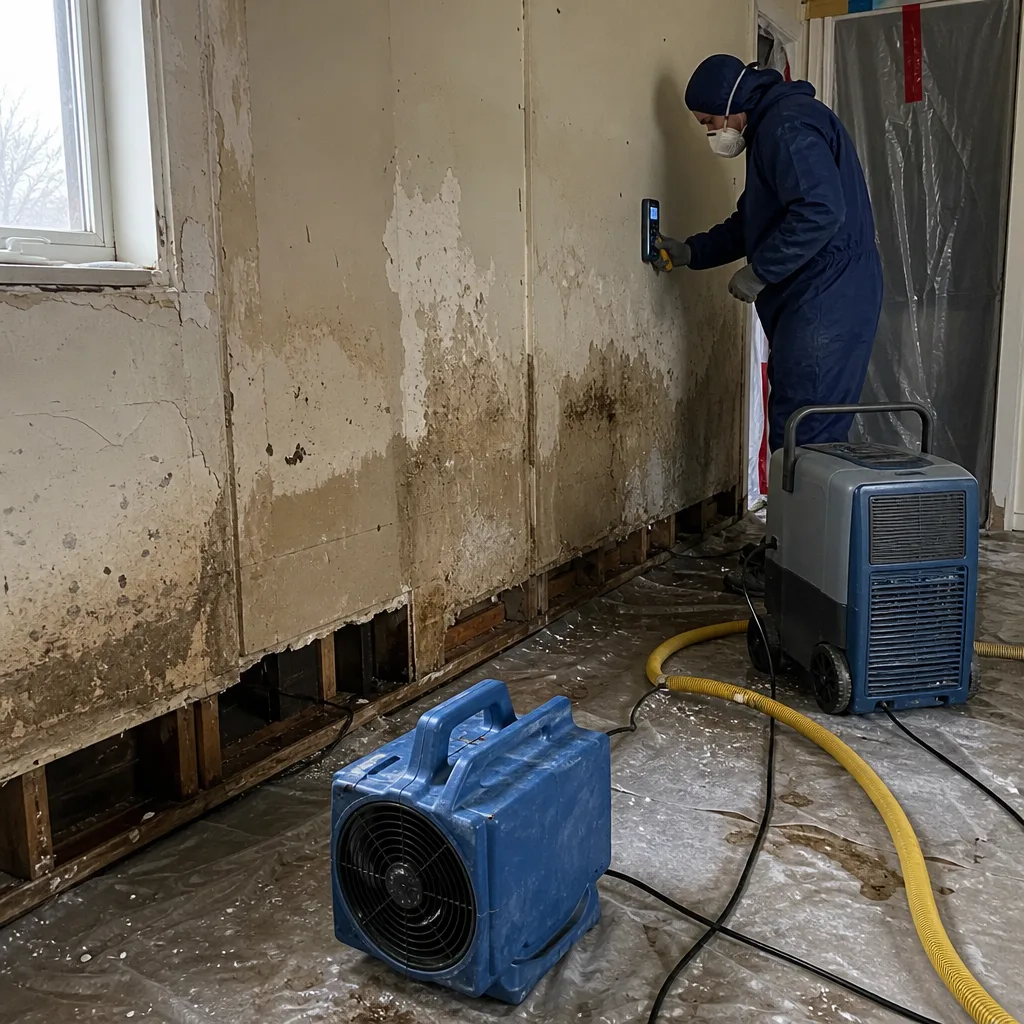 Before
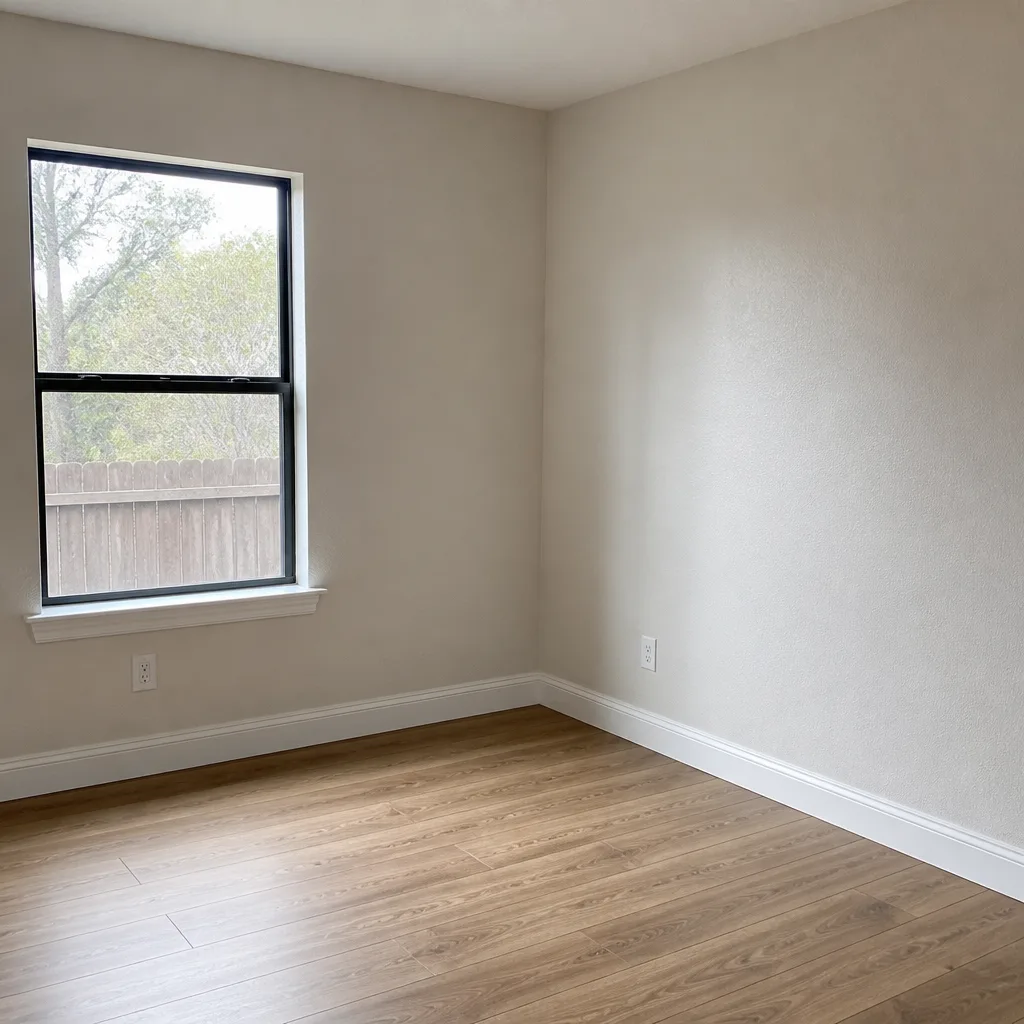 After
AfterCommon Mold Remediation Problems We See in Castle Hills Homes
- Polybutylene pipe bursts behind walls. These gray plastic supply lines from the 1980s fail suddenly and catastrophically. The water floods the wall cavity, and by the time a homeowner notices a stain or smell, mold has been growing for weeks.
- Moisture wicking through slab foundations. A slab leak doesn’t just puddle. It travels upward through the concrete, soaking the subfloor and baseboards from underneath. Drying a slab properly takes days, not hours, and requires moisture mapping before you declare the job done.
- Hidden reservoirs behind original cabinet work. Custom built-ins from the 1960s through the 80s often sit directly against exterior walls with no vapor barrier. When a window seal fails or a roof leak runs down a wall, the back panel of the cabinet stays wet long after the visible area dries, because nobody pulled the toe kick.
- Summer humidity that stalls drying. Castle Hills sits in a climate where outdoor air holds real moisture from May through October. If a remediation crew runs dehumidifiers on a timer instead of checking psychrometric readings (measuring the moisture in the air and building materials), the structure never reaches true dryness. Mold comes back, and now it’s inside your newly patched drywall.
Pricing for Mold Remediation in Castle Hills, TX
We Also Serve Cities Near Castle Hills
Our crews work throughout the metro, including San Antonio, Selma, Boerne, and Converse. If you’re in any of those communities and dealing with moisture or mold, the same Threshold Verified standard applies. Read more about our Mold Remediation in Castle Hills coverage and what to expect on any call.
Serving Castle Hills, TX - Our Local Coverage Area
We’re based in the Castle Hills area and know this community well. Use the map below to see our service coverage - if you’re nearby, we can almost certainly help.
FAQs About Mold Remediation in Castle Hills
Does a polybutylene pipe burst in my Castle Hills home always mean a full mold remediation?
No, not always, but it’s more likely than not in a home from the 1980s where water sat in a wall cavity for any period of time. If the leak was caught within 24 to 48 hours and the area was properly dried, full remediation may not be needed. If you found the burst after noticing a musty smell or staining, hidden mold is probable. We can test and moisture-map before recommending demolition. Call (325) 252-3917 and we’ll tell you what we’re actually seeing, with photo documentation.
My Castle Hills house has original cast iron plumbing under the slab. How does that affect mold remediation after a leak?
Cast iron fails slowly, so the water often travels along the slab and saturates flooring and trim before you see anything at all. That means the affected area is usually larger than a visible stain suggests. Our crews map moisture across the slab, not just at the visible wet spot. Expect baseboard removal, flooring lift, and several days of slab drying with mats if the leak was running long.
Can you dry my 1970s custom wood paneling and built-in bookshelves in place instead of tearing them out?
Yes, in many cases we can. Injectidry systems push dry air through the cavity behind paneling and built-ins, and we’ve saved bookshelves and wainscoting that other crews listed as unsalvageable. The key is getting dry air to the back side of the wood before rot sets in. If the material is already soft or delaminating, no amount of drying will save it, but we’ll show you the moisture readings so you understand exactly why a material can or cannot be saved.
What’s the biggest hidden mold risk in Castle Hills homes with slab foundations?
The biggest risk is moisture that comes up through the slab itself after a pipe leak and goes unnoticed under flooring or behind vinyl baseboards. Concrete holds water for weeks. If the slab isn’t dried or the moisture isn’t measured before new flooring goes down, mold grows underneath the new materials. That’s why we take psychrometric readings throughout the drying process, and why we walk the homeowner through those readings before reconstruction begins.
After a hail storm damaged my roof in Castle Hills, how soon should mold remediation start if there is water staining on the ceiling?
Mold can begin growing within 48 to 72 hours in a warm, humid Castle Hills attic. If you see staining on the ceiling after a storm, call us the same day. We’ll tarp the roof, set containment below the affected ceiling, cut out the wet drywall, and inspect the insulation above. The longer that wet insulation sits over your ceiling, the more the damage spreads. Direct calls to (325) 252-3917, and we’ll have someone on the way.
Written by Tobias Reyner, Owner at Marsh Water Damage San Antonio, serving Castle Hills since 2005.