
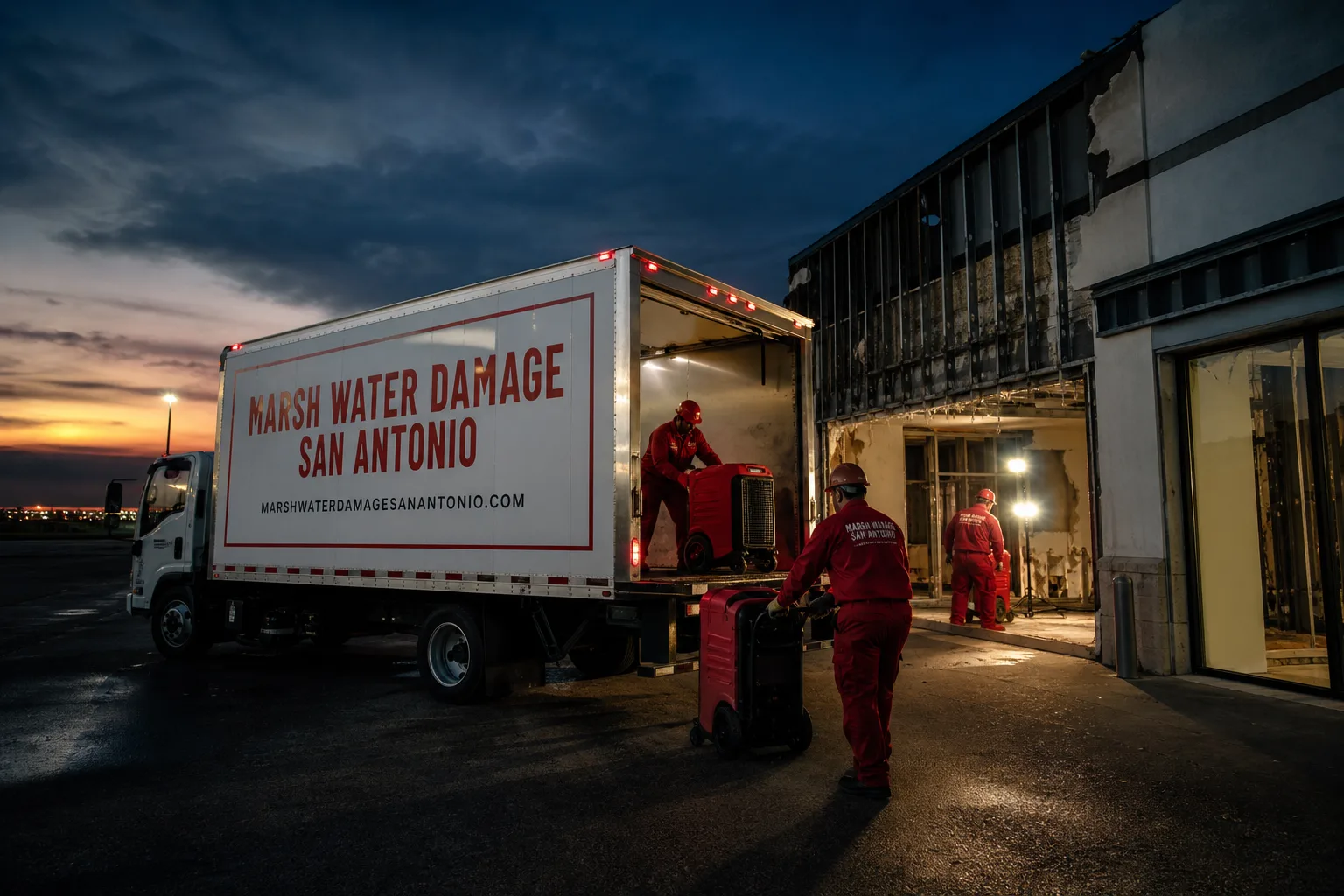
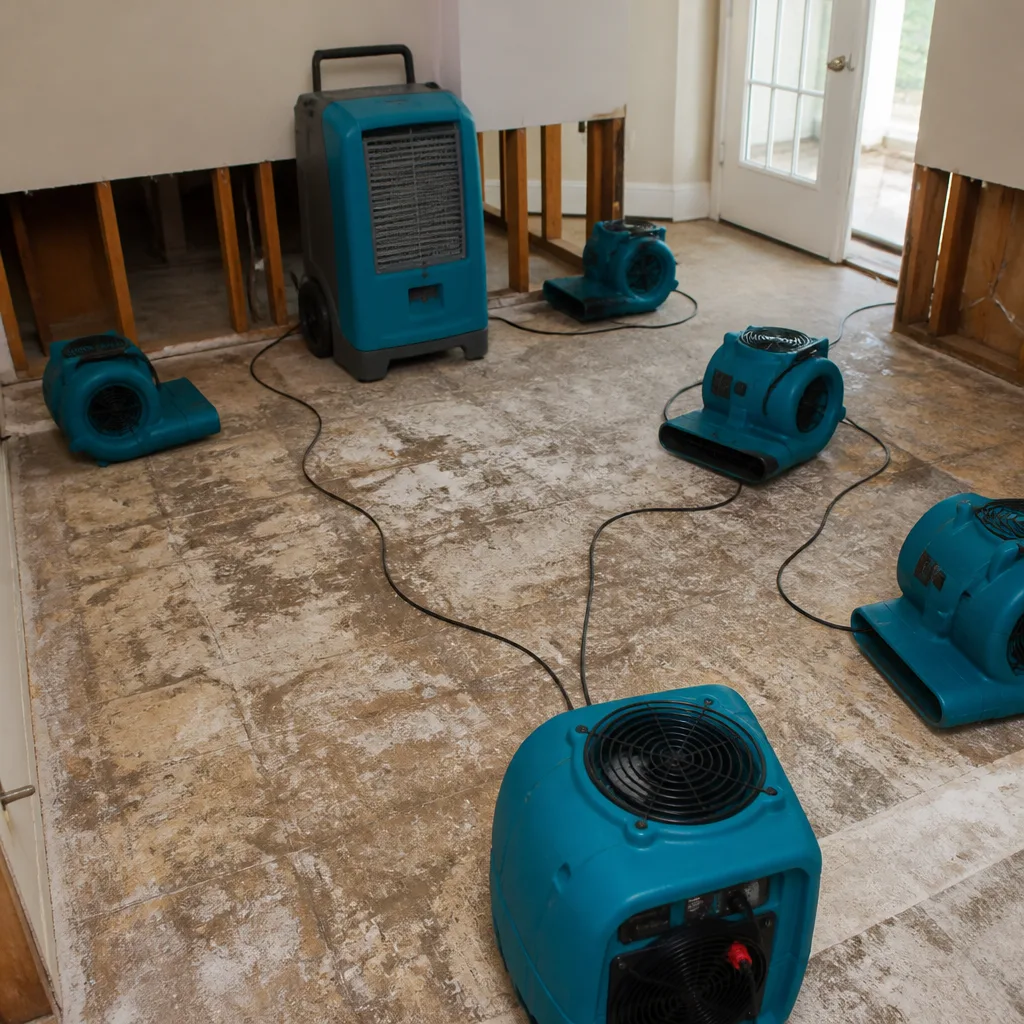
 Water damage drying
 Fire & smoke cleanup
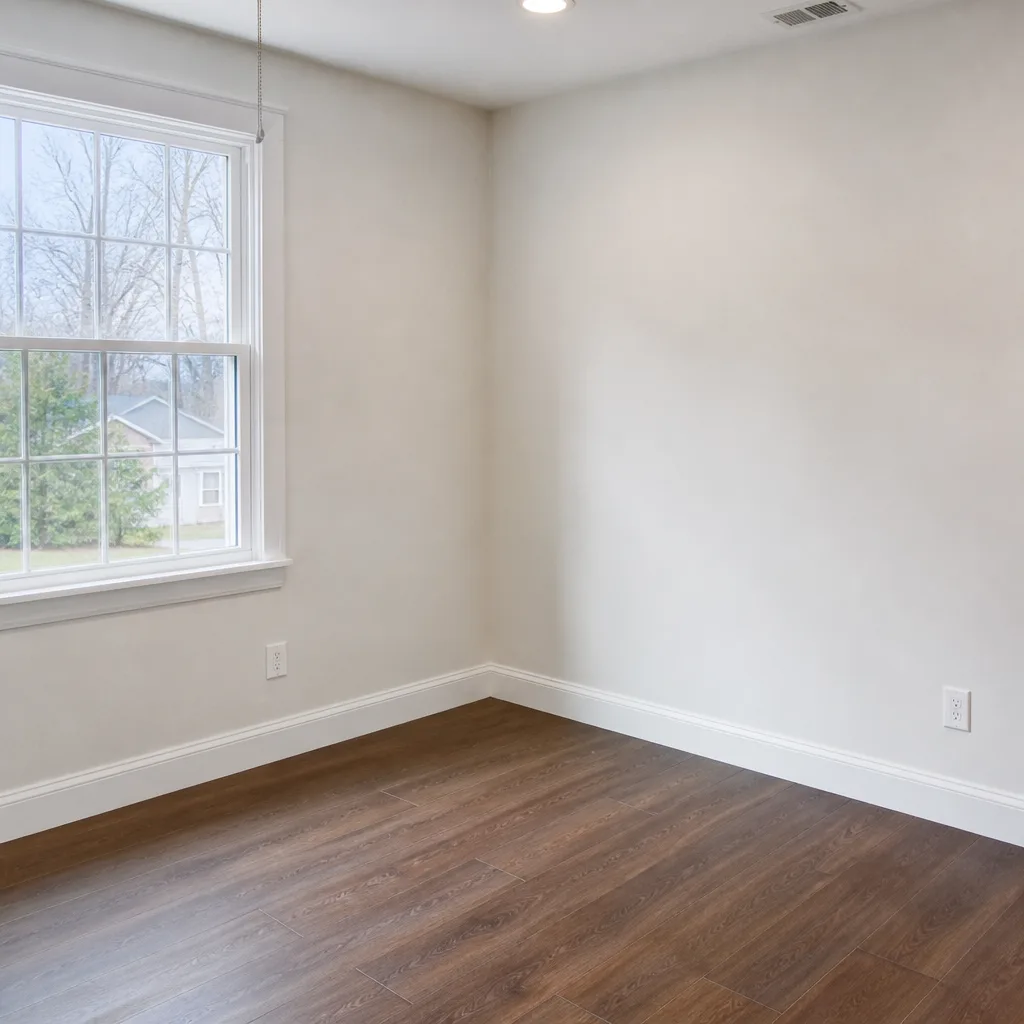 Mold remediation
 Storm response
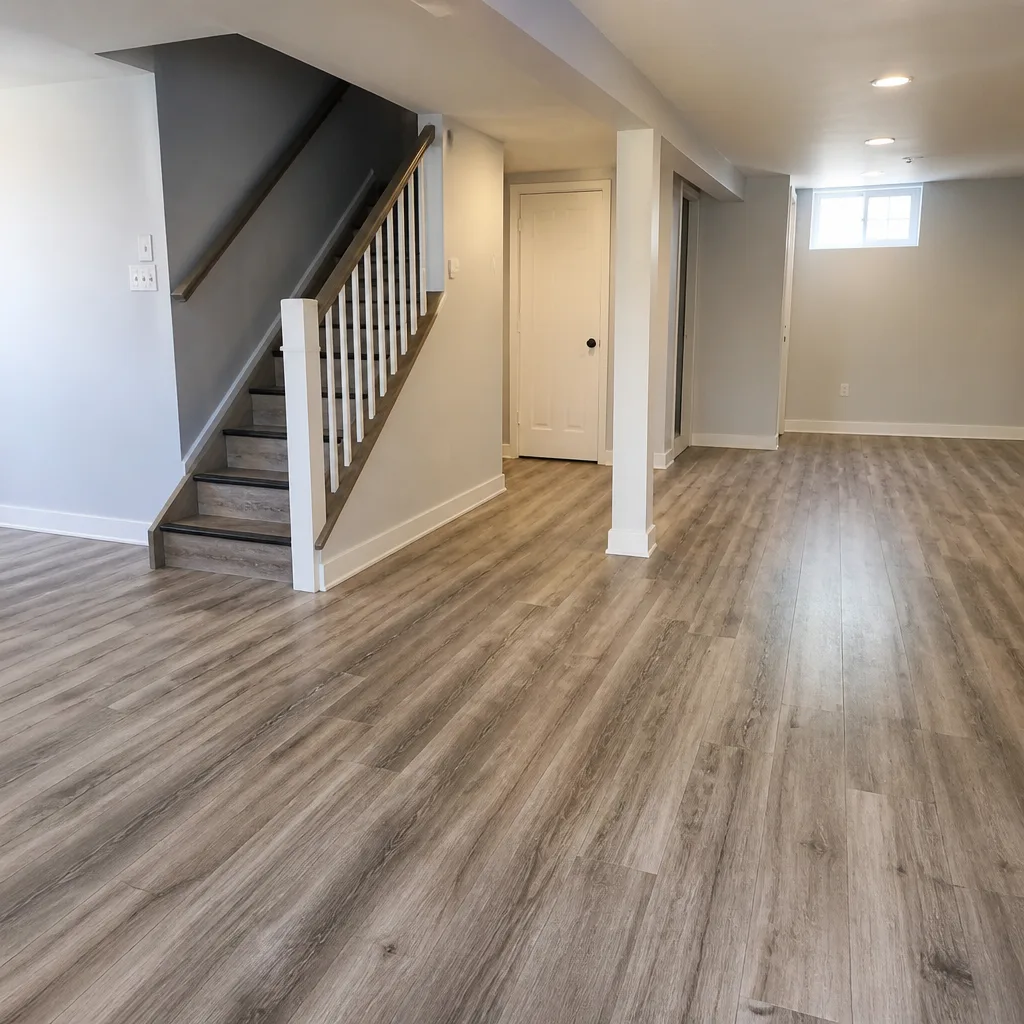 Sewage cleanup
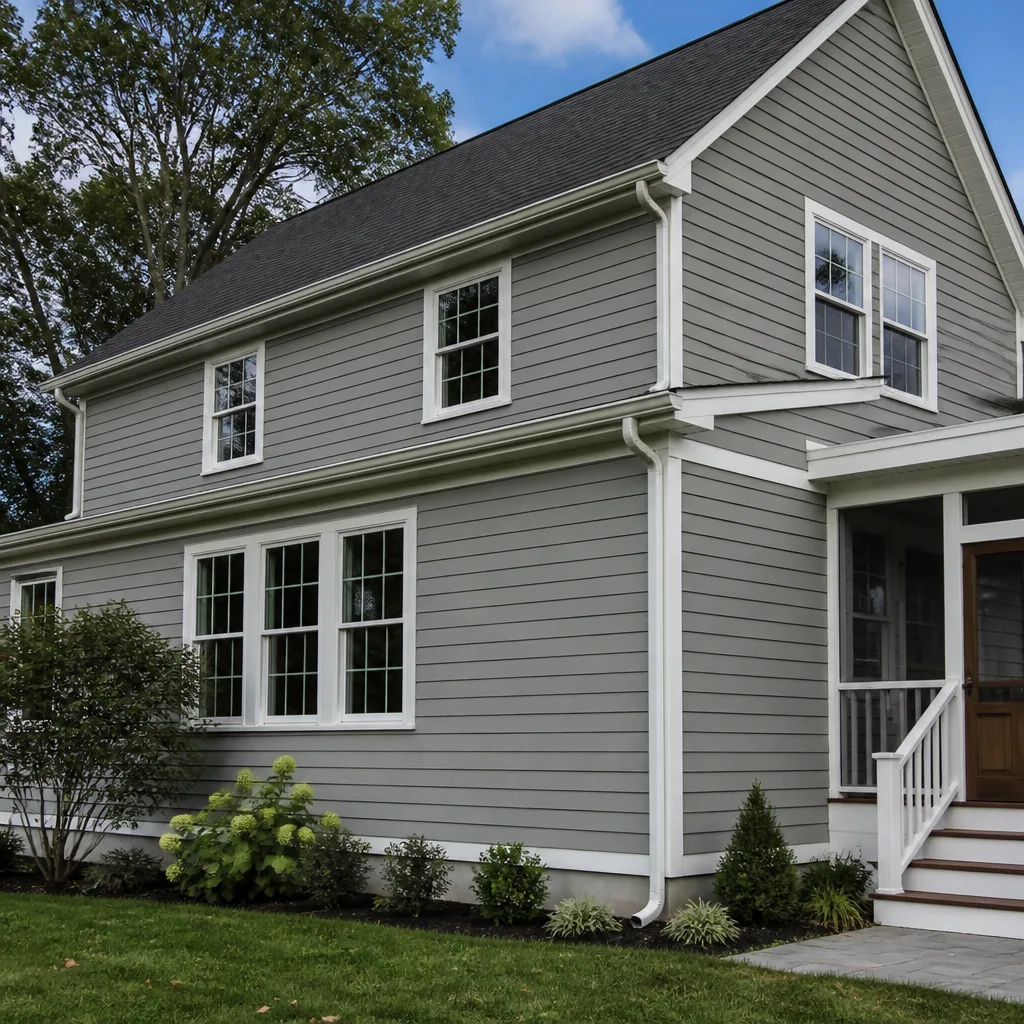 Reconstruction
Free visual inspection and a written scope of work before any mitigation begins - photos, moisture readings, and drying logs go in your claim file
The scope we write is the scope we bill. Anything new gets shown to you, in writing, before we touch it.
Get your free estimateRestoration work we handle
See the difference
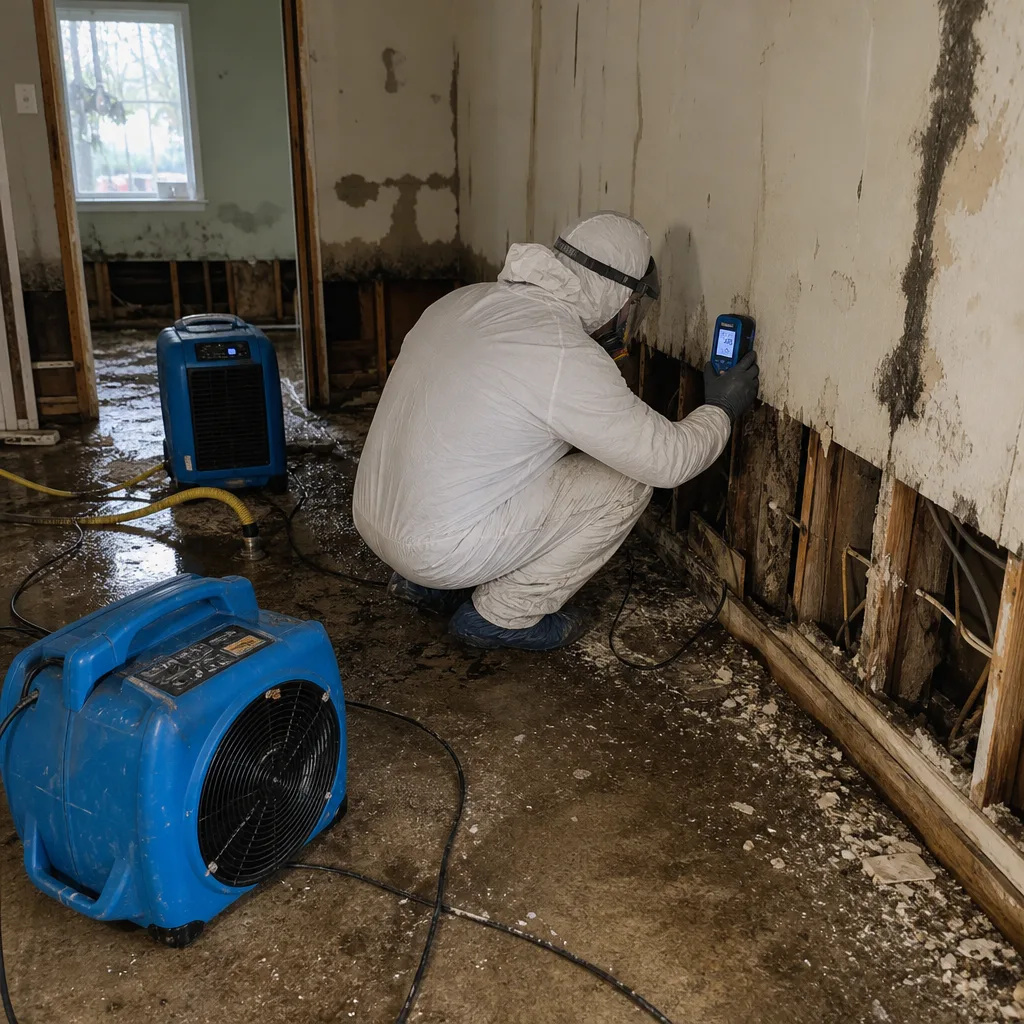 Before
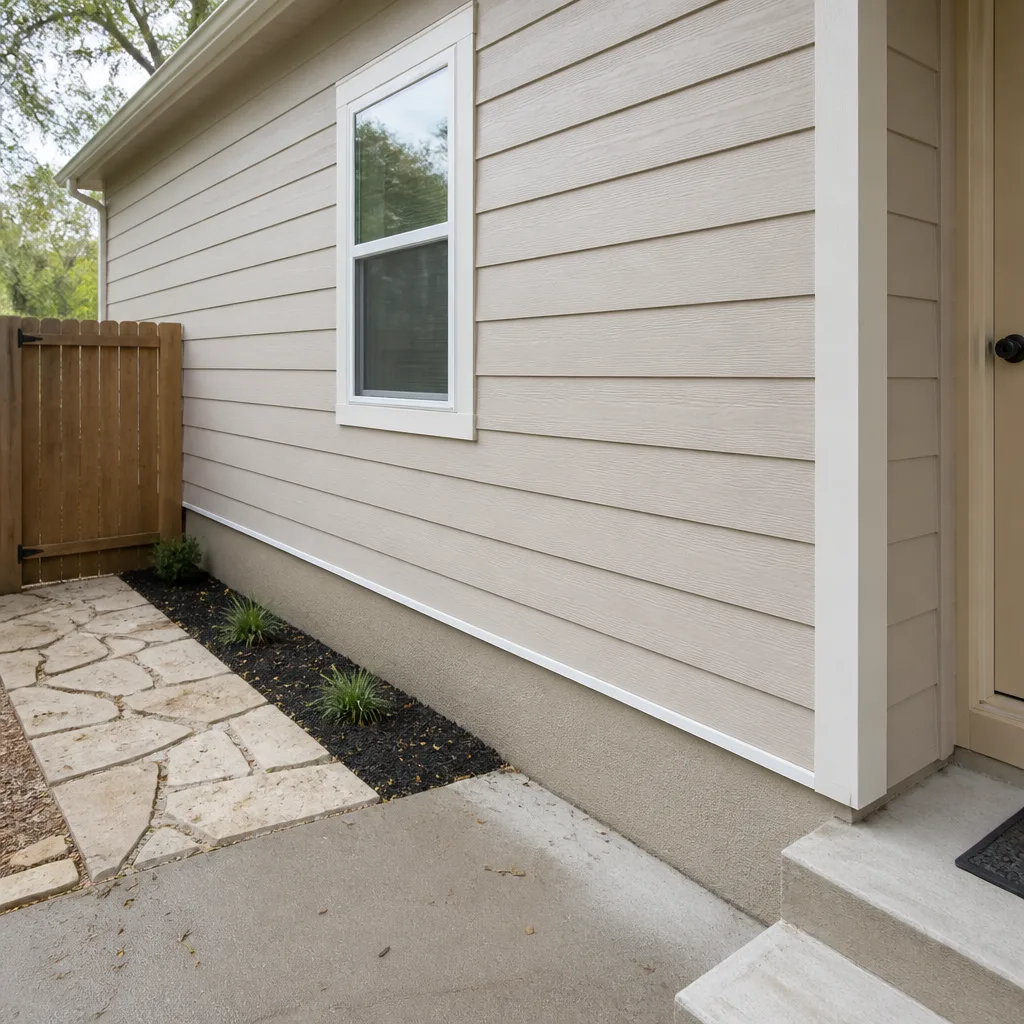 After
After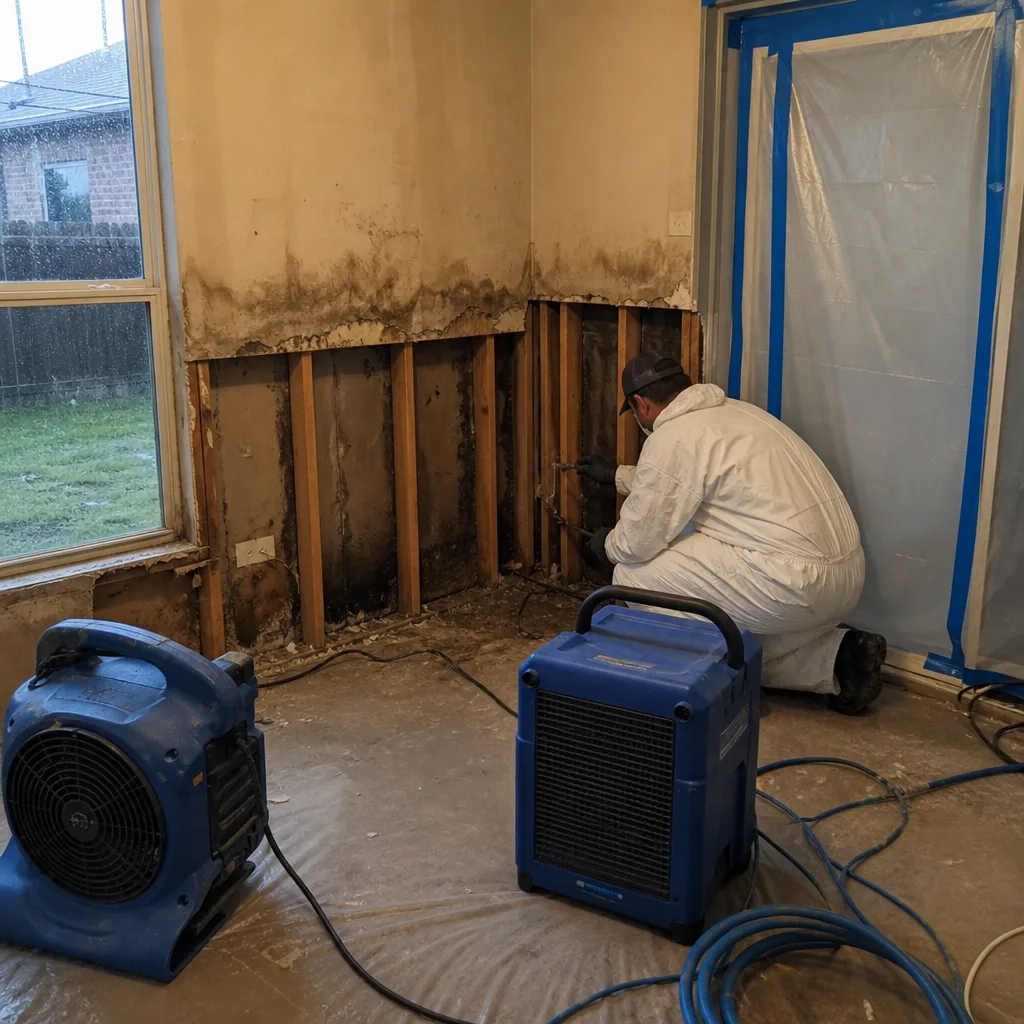 Before
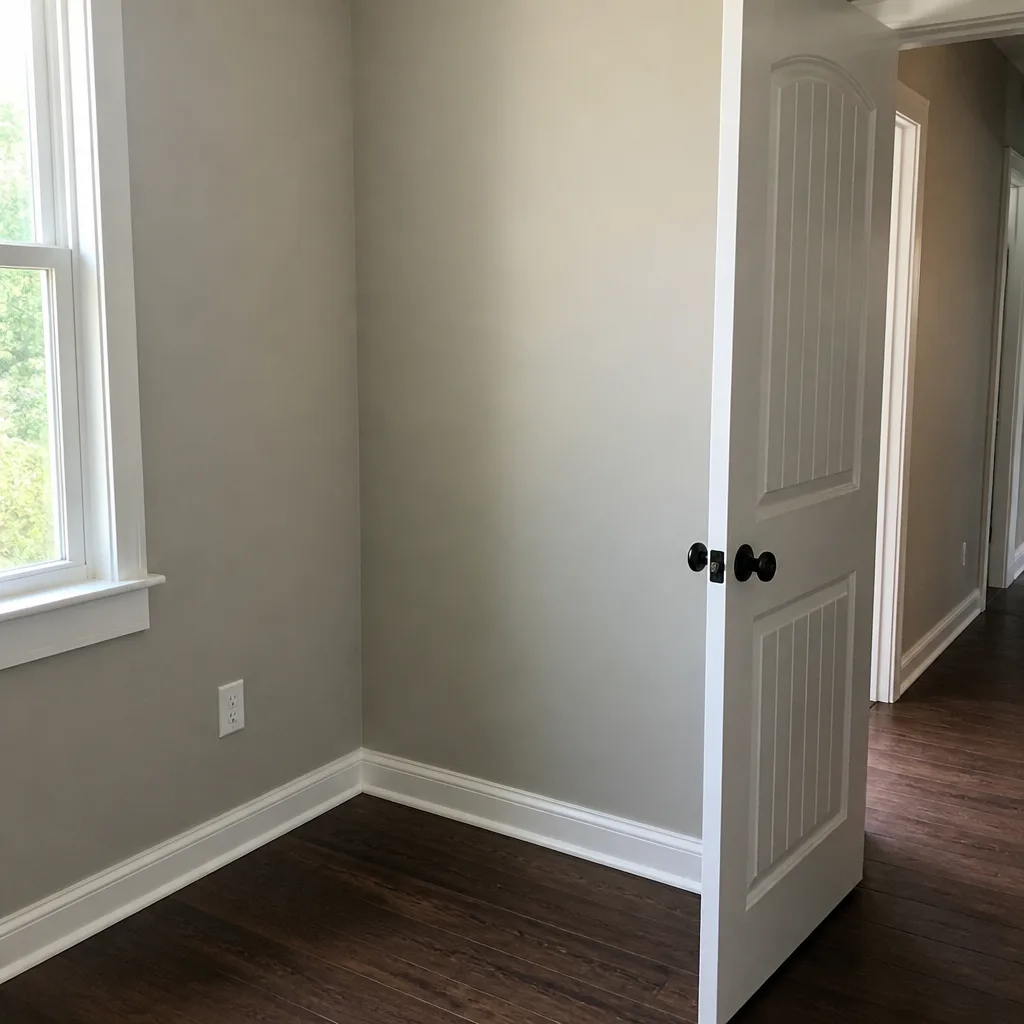 After
After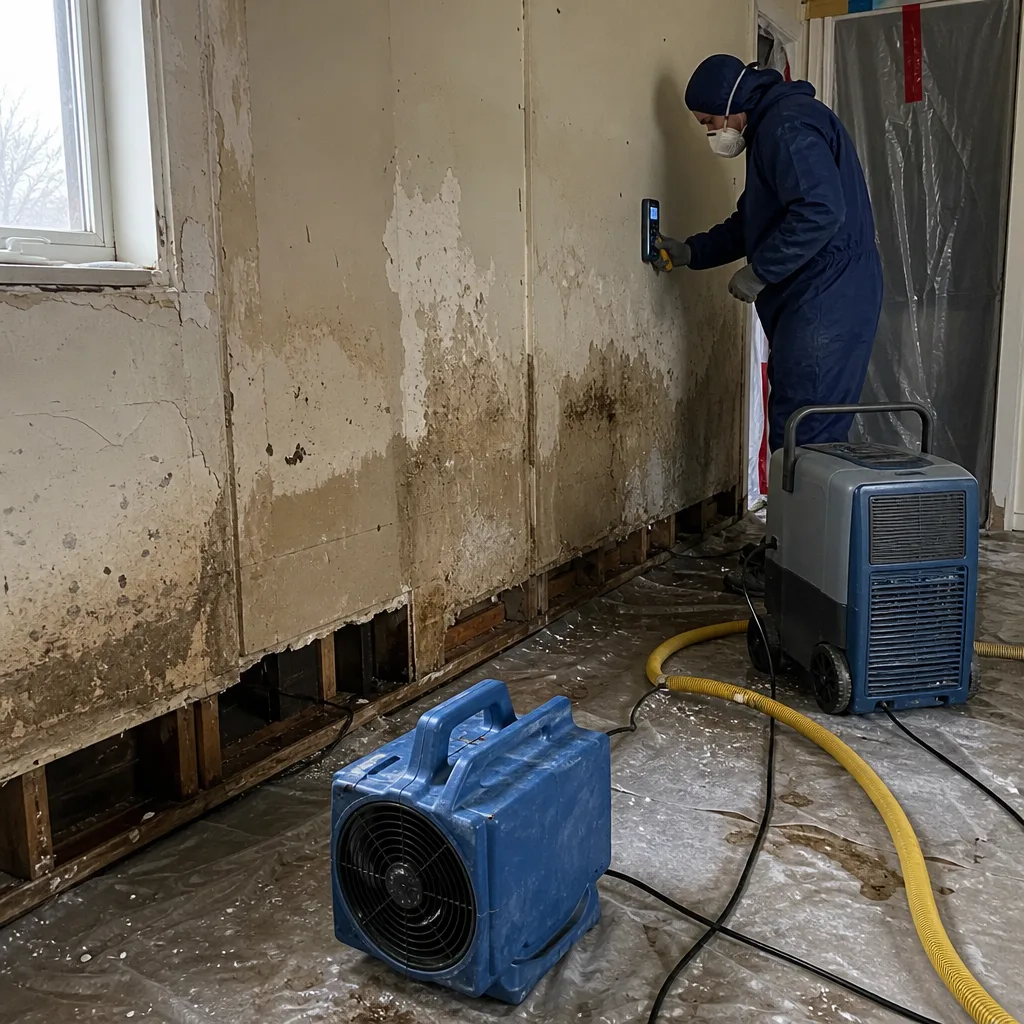 Before
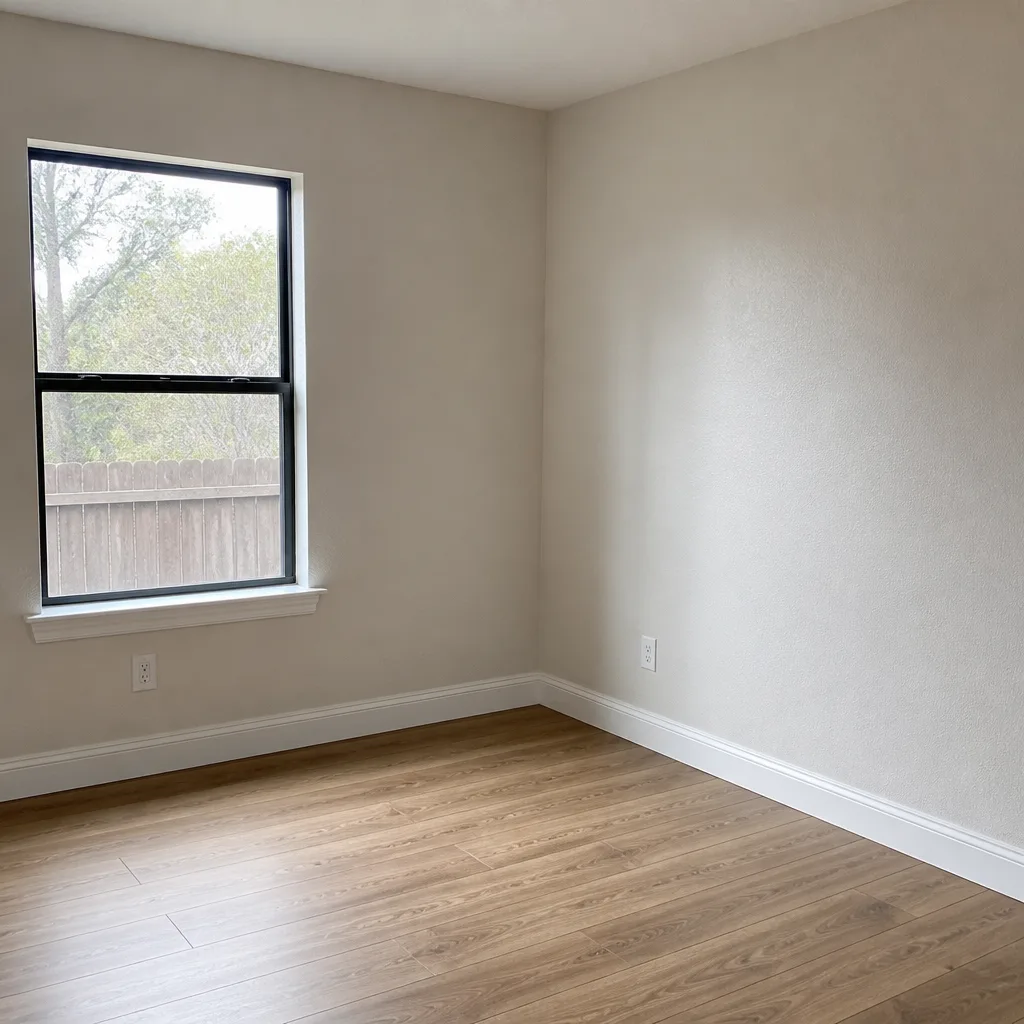 After
AfterHow Much Does Damage Restoration Cost in San Antonio?
Most San Antonio homeowners spend between $1,800 and $6,500 for water damage restoration, with the typical residential job landing around $3,200. Mold remediation runs $1,500 to $6,000 depending on square footage affected, while storm damage repairs most often fall in the $2,500 to $12,000 range. These are the numbers we quote from our own work orders across San Antonio neighborhoods like Alamo Heights, Stone Oak, and Helotes, not national averages pulled from a database.
Your exact price depends on three things we can assess quickly over the phone: how much water came in, how long it sat, and what it touched. We give a written price before any work starts, so you will not get surprised after demo begins. Call (325) 252-3917 and a live person answers, 24 hours a day.
Damage Restoration Cost Breakdown (2026)
Here is what we bill for the most common restoration jobs in San Antonio right now. These reflect our 2026 pricing after two years of rising material and equipment costs across Texas.
| Service | Typical Range | What It Includes |
|---|---|---|
| Water extraction only | $500 – $1,800 | Standing water removal, initial assessment, moisture mapping |
| Water extraction + structural drying | $1,800 – $4,500 | Extraction, air movers, dehumidifiers, daily moisture monitoring |
| Category 2 or 3 water (gray/black) | $3,500 – $8,000+ | Sanitizing, antimicrobial treatment, affected material removal |
| Mold remediation (small, under 100 sq ft) | $1,500 – $3,500 | Containment, HEPA filtration, removal, surface treatment |
| Mold remediation (large, multiple rooms) | $4,000 – $6,000+ | Full containment, structural drying, air scrubbers, clearance testing |
| Storm/hail roof repair | $2,500 – $12,000 | Deck repair, shingle replacement, flashing, water barrier |
| Emergency board-up or tarping | $300 – $1,200 | Same-day response, temporary weather protection |
| Full rebuild after flooding | $15,000 – $60,000+ | Demo, drying, rebuild of walls, floors, trim, paint |
Those ranges assume a typical San Antonio slab-on-grade home built in the 1970s through 2000s. Pier-and-beam houses in older pockets like King William or Monte Vista can run 10 to 20 percent higher because subfloor access changes how we dry the structure. Two-story homes with water that traveled down from an upstairs bath to the living room ceiling add another layer of labor and material.
Why the range is wide
The gap between a $1,800 job and a $6,500 job is almost always about how long the water sat before we arrived. Water that is caught within two hours and extracted the same day usually means drying equipment runs for three to five days. Water that soaked into drywall, baseboards, and subfloor for 48 hours or more means cutting those materials out and replacing them, which adds demo labor and new material costs. San Antonio’s heat accelerates mold growth in as little as 24 to 48 hours, so time is genuinely money here.
What Affects Damage Restoration Pricing in San Antonio
- Water category. Clean water from a supply line is cheapest to mitigate. Gray water from a washing machine overflow or dishwasher leak needs sanitizing. Black water from sewage backups or the San Antonio River flooding carries the highest treatment cost because of contamination protocols. Each category up roughly doubles the labor and material line items.
- How long the water sat. A slab leak in Alamo Ranch that soaked for a week before you noticed the baseboard swelling will cost more than a burst supply line you caught in ten minutes. The tell is always the same: drywall wicked water upward, and baseboards have begun to separate.
- Materials affected. Tile and concrete dry faster and cheaper than carpet pad, drywall, and hardwood. Homes in newer developments like Cibolo Canyons with engineered wood throughout can see drying costs rise significantly because that flooring often requires replacement, not restoration.
- Access to the damage. Crawlspace work under a pier-and-beam home in Tobin Hill requires different equipment and slower, more methodical labor than a slab leak in a garage. Attic access for a storm-damaged roof in the Medical Center corridor also runs higher when decking must be replaced.
- Mold growth. If microbial growth (mold, in plain English) is present, remediation adds containment, HEPA air scrubbing, and clearance testing. Those are non-negotiable safety steps, and they are priced accordingly.
- Emergency response timing. A 2 a.m. burst pipe call does carry an after-hours premium. We are transparent about that on the phone before anyone rolls a truck. You will know the diagnostic fee and the after-hours rate before we arrive.
How to Save on Damage Restoration in San Antonio
There are honest ways to lower your bill, and there are ways that backfire. Here is what actually works.
Act the same day you see the problem. Every hour water sits in drywall costs real money. If you catch a small leak under a sink and call us immediately, we can often extract and set drying equipment for under $2,000. Wait three days and the same leak becomes an $5,000 gut-and-replace job because mold has taken hold.
Stop the source before you call. If you can safely turn off the water main or the angle stop at the fixture, do it. That stops more water from entering the equation. Do not touch anything electrical, and do not wade into standing water if it may be from a sewage line. But shutting the supply valve is a two-second move that saves hundreds.
Know your insurance policy. Most San Antonio homeowners policies cover sudden and accidental water damage like a ruptured supply line or storm-driven roof leak. They typically do not cover slow, ongoing leaks deemed maintenance issues. Know your deductible, and know that we work directly with insurance adjusters, documenting every step so your claim is supported with photos, moisture readings, and daily logs.
Ask for a written price before work starts. This is not just our practice, it is a question you should ask every contractor. If a company will not put the number on paper before they start demo, walk away. Our work orders always carry a written price, a written guarantee, and the specific scope of work. That is a printed commitment on every single job since 2005.
Get a free estimate. Call (325) 252-3917 and we will walk through the scope on the phone, give you a realistic range, and schedule an on-site assessment when needed. There is no charge to talk to us, and a live person picks up, not a voicemail.
How Marsh Water Damage San Antonio Prices a Job
We follow a straightforward process so you never wonder what you are paying for.
- We answer the phone. You describe what happened. We ask about the water source, how long it has been present, and what rooms are affected. This call takes five to ten minutes.
- We give you a realistic range on that first call. Based on thousands of jobs across San Antonio since 2005, we can usually tell you whether you are looking at a $2,000 extraction-and-dry job or a $15,000 rebuild before anyone steps foot on your property.
- We send a named, photo-badged technician. Before the visit, you receive the technician’s name and photo. When they knock, they show a photo ID badge. That is the Threshold Verified standard, and it applies to every single visit, not just the first one. You know exactly who is coming before the knock.
- On-site assessment and moisture mapping. The technician tests moisture levels in walls, flooring, and the air using professional meters and thermal imaging. These readings – what we call psychrometric data, or simply the measurement of moisture in materials and air – tell us how far the water has traveled and how long drying will take.
- Written price before any work starts. You see the exact scope, the exact price, and the exact equipment plan on paper before we touch anything. No estimate that balloons after demo begins.
- We do the work with commercial-grade equipment. Dri-Eaz, Phoenix, XPOWER, B-Air, and Injectidry air movers, dehumidifiers, and extraction tools. The same equipment national franchises use on large commercial losses, applied to your home.
- We verify the drying with documentation. Daily moisture readings show the structure is genuinely dry, not just dry on the surface. You get copies of these logs for your records and your insurer.
- You get the 365-Day Done Right Promise in writing. If anything we repaired is not right within a full year, we make it right. A free second visit is included automatically, never something you have to argue for. That promise is time-stamped and printed on every work order.
Our founder, Tobias Reyner, built this process to remove two fears at once: the water in your home and the uncertainty of who walks through your door. Every technician is background-checked, identity-verified, uniformed, and photo-badged. We are a restoration company first, but the Threshold Standard is what sets us apart in San Antonio.
Common Damage Scenarios and What They Cost in San Antonio
Burst pipe in the attic
San Antonio’s occasional hard freezes, like the one in February 2021, keep plumbers and restoration crews busy for months. A burst pipe in an attic that pours water through a ceiling typically costs $3,000 to $7,000 to dry and repair. That includes ceiling demo, insulation removal and replacement, drying of the framing and drywall below, and restoration of the affected room. If the water ran down inside walls, the price rises.
Dishwasher or washing machine overflow
This is gray water, which means it carries detergent, food particles, and bacteria. Expect $1,200 to $3,500 depending on how far the water spread and whether it seeped into adjacent rooms. The machine line item is not included, that is a plumbing or appliance repair, not restoration.
Toilet overflow
Category 2 or 3 water, depending on whether it came from the tank or the bowl. A clean tank overflow is treated as gray water and often runs $1,500 to $3,000. A sewage-backed bowl overflow is black water and requires sanitizing, antimicrobial treatment, and in many cases removal of affected flooring and drywall. Those jobs start around $3,500 and climb.
Slab leak
Rare in other parts of the country but common in San Antonio’s expansive clay soils. Water travels under the slab, often for weeks, before surfacing at a baseboard or cracking tile. By the time you see it, moisture has usually wicked into walls and flooring across multiple rooms. Slab leak restoration jobs commonly run $4,000 to $10,000 and may also require a plumber to repair the actual leak, which is separate from our restoration scope.
Storm damage to the roof
San Antonio hail storms are a regular spring and fall occurrence, and the neighborhoods around the North Side from Shavano Park to Timberwood Park see the worst of it. Roof repair with water damage mitigation runs $2,500 to $12,000 depending on the decking damage and how much water entered the attic and ceiling. Tarping is included in our emergency response and typically runs $300 to $1,200 same-day, which buys time for a proper repair.
Mold discovered during a remodel
When a contractor opens a wall and finds mold, the job stops until a remediation company handles it. We see this often in older homes across the city, especially in areas like Jefferson and Woodlawn Lake where mid-century construction meets decades of humidity. Mold remediation for a focused area runs $1,500 to $3,500. A whole-room or multi-room situation runs $4,000 to $6,000 or more, including containment, HEPA air scrubbing, removal, and surface treatment. A clearance test from a third-party hygienist, which we recommend and can arrange, usually adds $400 to $800.
FAQs – Damage Restoration Cost in San Antonio
How much does water damage restoration cost in San Antonio?
Water damage restoration in San Antonio typically costs $1,800 to $6,500 for a standard residential job, with the average falling around $3,200. The range depends on water category, how long it sat, and what materials were affected. Call (325) 252-3917 for a free estimate with a written price before any work begins.
Is it cheaper to repair or replace water-damaged drywall?
For water-damaged drywall, replacement is almost always the standard practice, not repair, and it typically runs $300 to $800 per affected wall section in San Antonio. Repairing saturated drywall by drying it in place leaves a weakened panel that will crack, sag, and become a mold reservoir. The exception is a small, caught-immediately leak where the drywall was barely touched and drying can be verified with moisture meters.
How much does mold remediation cost in San Antonio?
Mold remediation in San Antonio runs $1,500 to $6,000 depending on square footage. Small, contained areas under 100 square feet cost $1,500 to $3,500, while multi-room remediation costs $4,000 to $6,000 or more. Containment, HEPA filtration, removal, and surface treatment are all included. Call (325) 252-3917 for a specific quote based on your situation.
Can you come today for a water emergency?
Yes. A live person answers our phone 24/7, including holidays, and we dispatch emergency crews to San Antonio addresses the same day, often within hours. Emergency water extraction pricing does include an after-hours premium, which we disclose on the phone before anyone is dispatched. Call (325) 252-3917 right now if water is actively entering your home.
Does homeowners insurance cover water damage restoration?
Most San Antonio homeowners policies cover sudden and accidental water damage, such as a burst supply line, a storm-driven roof leak, or an appliance malfunction, minus your deductible. Slow leaks, groundwater flooding, and sewer backups typically require separate riders or are excluded. We document every job with photos, moisture readings, and daily logs that support your insurance claim, and we work directly with adjusters.
How long does water damage restoration take in San Antonio?
Most residential water extraction and drying jobs in San Antonio take three to seven days from arrival to dry-structure certification. Rebuild work adds time: drywall, paint, and trim restoration typically runs another five to ten days after drying completes. Mold remediation usually takes two to five days depending on containment size. We give you a written timeline with your written price before work starts.
Why does damage restoration cost more in San Antonio than other Texas cities?
San Antonio’s clay-rich, expansive soils cause slab movement that leads to more frequent and more severe slab leaks than in cities built on rock or sandy soil. The city’s humidity also accelerates mold growth, which adds remediation to jobs that in a drier climate would be extraction-only. These local conditions mean restoration crews here deal with more extensive moisture migration and shorter mold timelines, and that is reflected in the honest pricing.
Should I Call a Restoration Company or Handle It Myself?
Here is the straight answer. If the affected area is small, the water is clean, you caught it immediately, and you have a wet/dry vac and a few box fans, you can often dry out a bathroom spill yourself. But if any of these apply, call us:
- Water sat for more than a few hours
- Water touched drywall, baseboards, or flooring
- The water is gray or black (from appliances, toilets, or outside)
- You can smell anything musty or earthy
- The affected area is larger than a single bath mat
- You have a child, pregnant family member, elderly relative, or anyone with respiratory concerns in the home
A caution you will not hear from every company: do not attempt DIY drying on water that soaked into drywall or subfloor. Box fans move air across surfaces; they do not pull moisture from inside wall cavities or under flooring. That trapped moisture is where mold colonies start in San Antonio’s humidity, and by the time you see or smell it, remediation is more expensive than drying would have been.
One more caution, seriously: if water has reached electrical outlets, appliances, or your breaker panel, do not enter the space. Call us. Call an electrician. Do not touch the water. The cost of restoration is never worth a shock.
Why San Antonio Homeowners Choose Marsh Water Damage
The name fits because a marsh is low, wet ground, and water where it should not be is exactly what we deal with every day. We have been doing this work in San Antonio since 2005, and in that time we have seen every kind of water loss this city can throw: slab leaks in Terrell Hills, hail-punched roofs in Stone Oak, sewage backups in Southtown, attic pipe bursts in Alamo Heights during the freeze.
What we built is not complicated. Every technician who comes to your home is background-checked, identity-verified, and sent to you by name and photo before the visit. When they arrive, they show a photo ID badge at the door. Every time. That is the Threshold Verified standard, and it matters whether you are home alone, home with young kids, or home in your eighties.
The work itself is done with professional equipment from Dri-Eaz, Phoenix, XPOWER, B-Air, and Injectidry, operated by technicians credentialed through IICRC, RIA, and IFA, the restoration industry’s recognized training bodies. Every job gets a written price before work starts, a written guarantee on every repair, and the 365-Day Done Right Promise: if it is not right within a year, we make it right, with a free second visit included automatically.
If you have water where it should not be, call (325) 252-3917. A live person answers, day or night. You will get straight answers about what it will cost, who is coming, and when they will arrive.
Key Takeaways
- Water damage restoration in San Antonio averages $1,800 to $6,500 for typical residential jobs, with most homeowners around $3,200.
- Acting the same day you notice water can cut your final bill by half or more compared to waiting 48 hours.
- San Antonio’s clay soil and humidity make slab leaks and fast mold growth the two most expensive local factors.
- A written price before work starts is not a nice-to-have, it is the single most important protection you can ask for.
- Know who is coming to your door. Ask for a name, a photo, and an ID badge check before you let anyone in.
- Free estimates are available by calling (325) 252-3917. A live person answers 24/7.
Pricing reflects the San Antonio market as of 2026. Marsh Water Damage San Antonio offers free estimates – call (325) 252-3917.
Written by Tobias Reyner, Owner at Marsh Water Damage San Antonio, serving San Antonio since 2005.
What Our Customers Say
"They explained the whole drying plan on paper first, and the estimate matched the invoice. Pulled wet baseboards and cut out only what was needed."
- Terrence H."Clear communication about what insurance would cover and what wouldn't. Never felt pushed."
- Oscar P."Daily moisture readings were shared on my phone, so I knew when the drying was done. No surprises."
- Fiona K.