
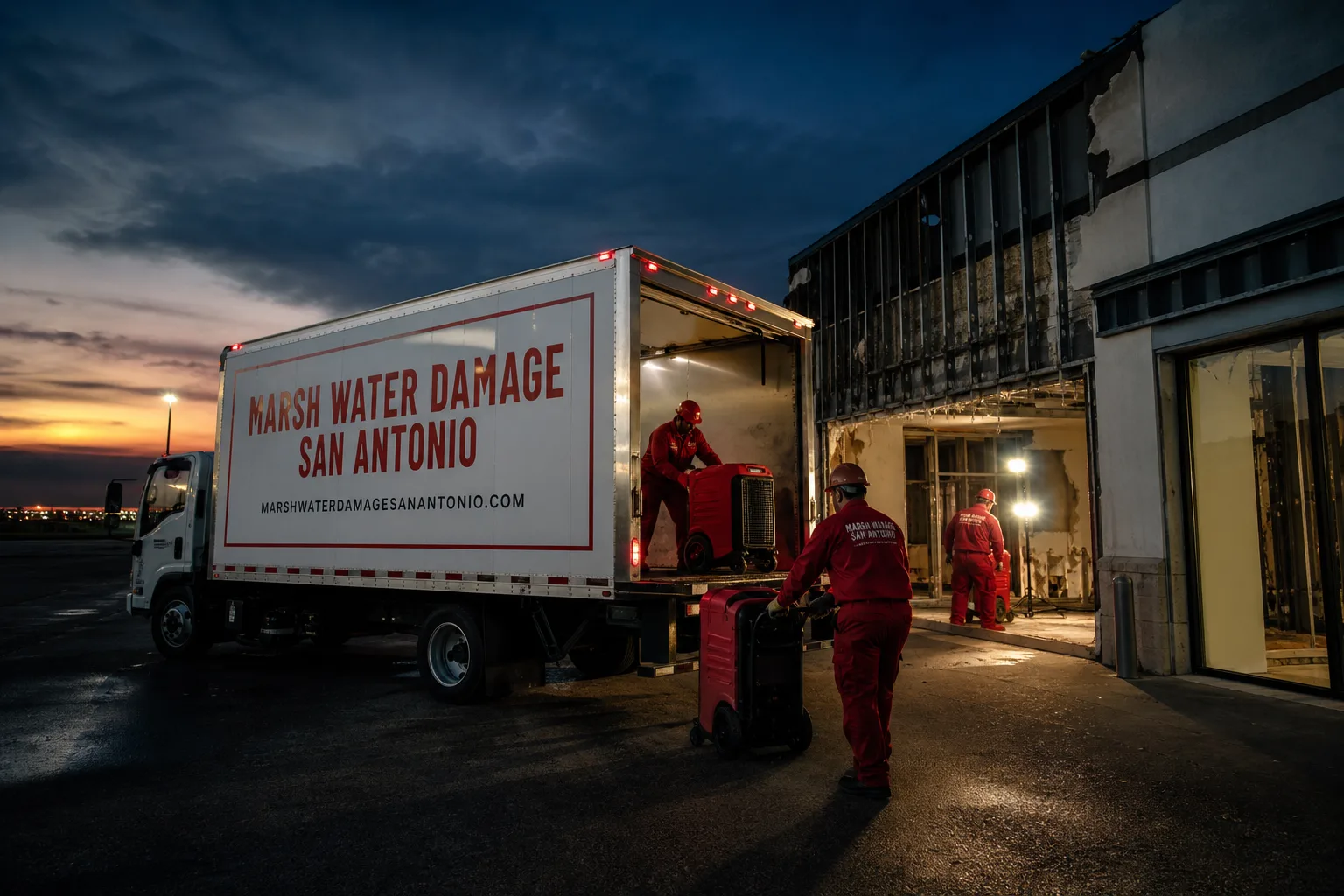
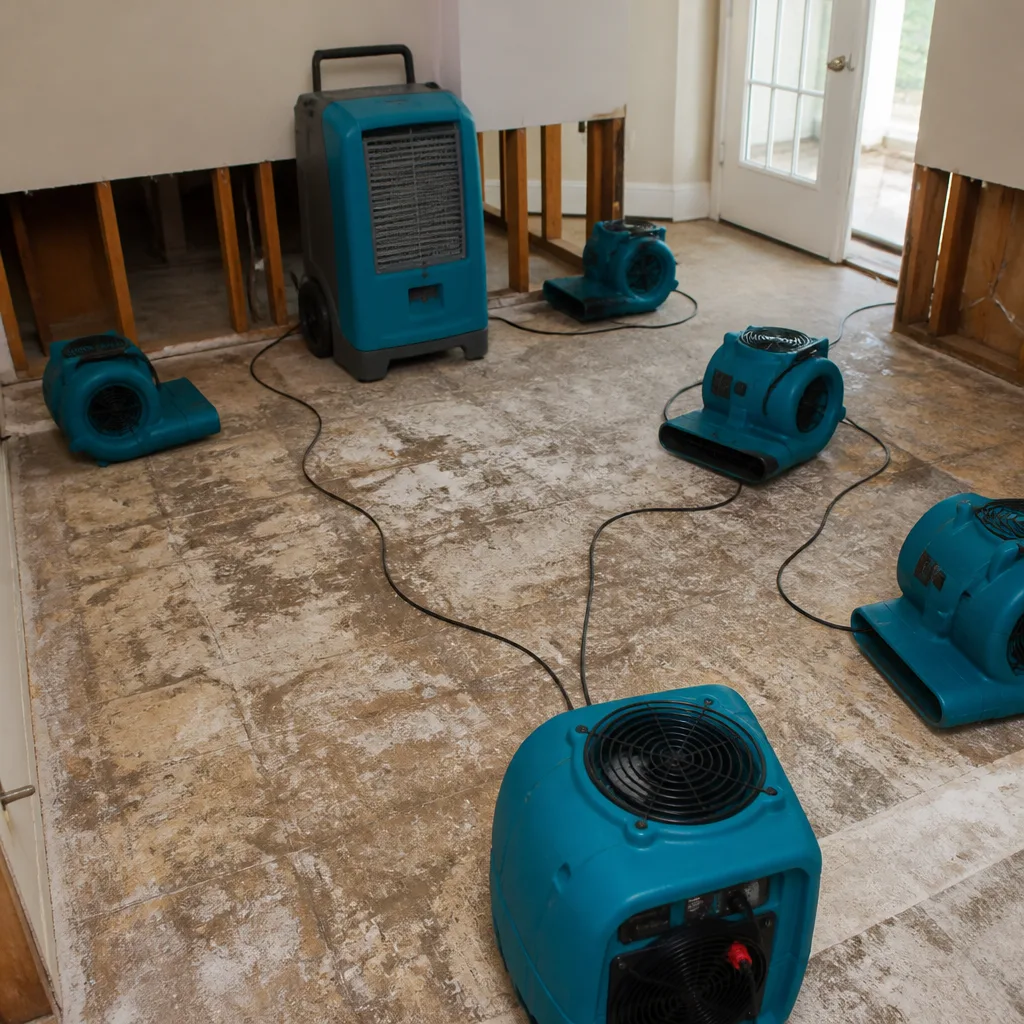
 Water damage drying
 Fire & smoke cleanup
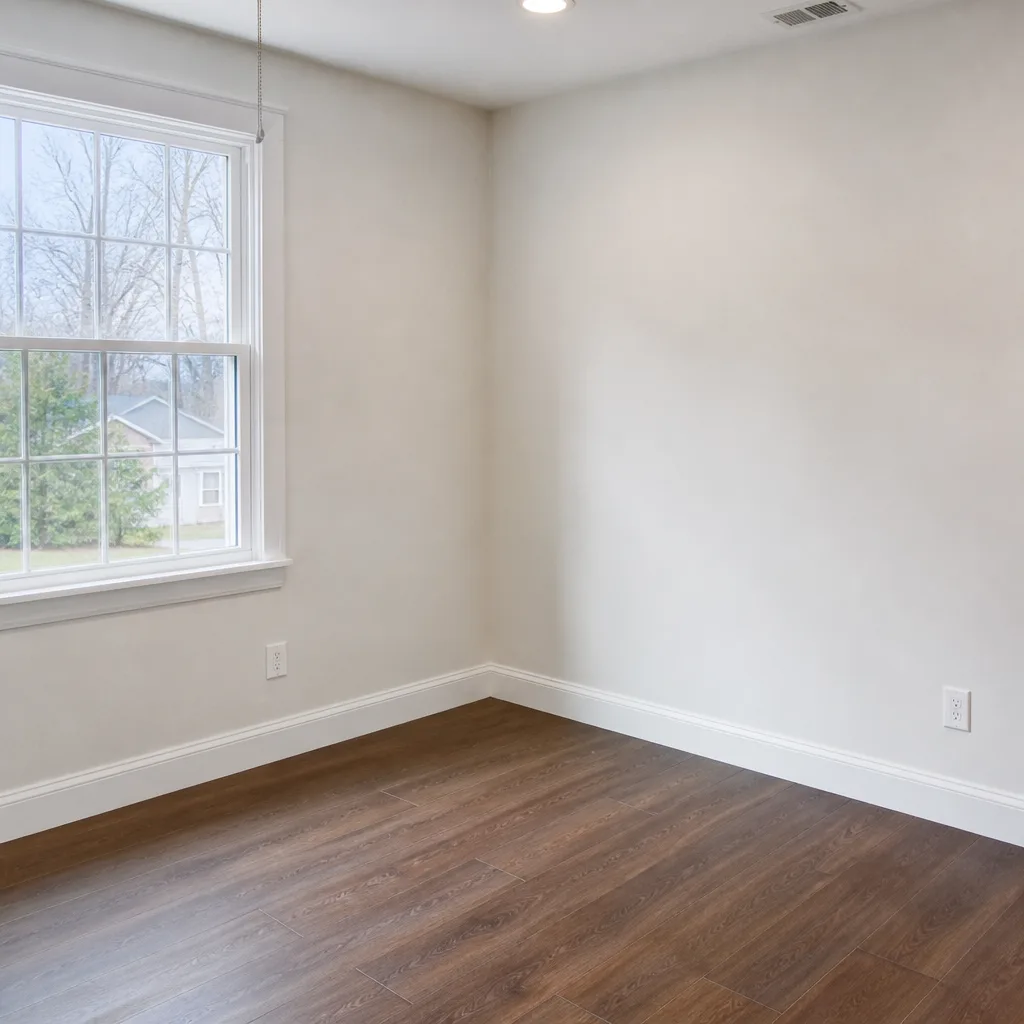 Mold remediation
 Storm response
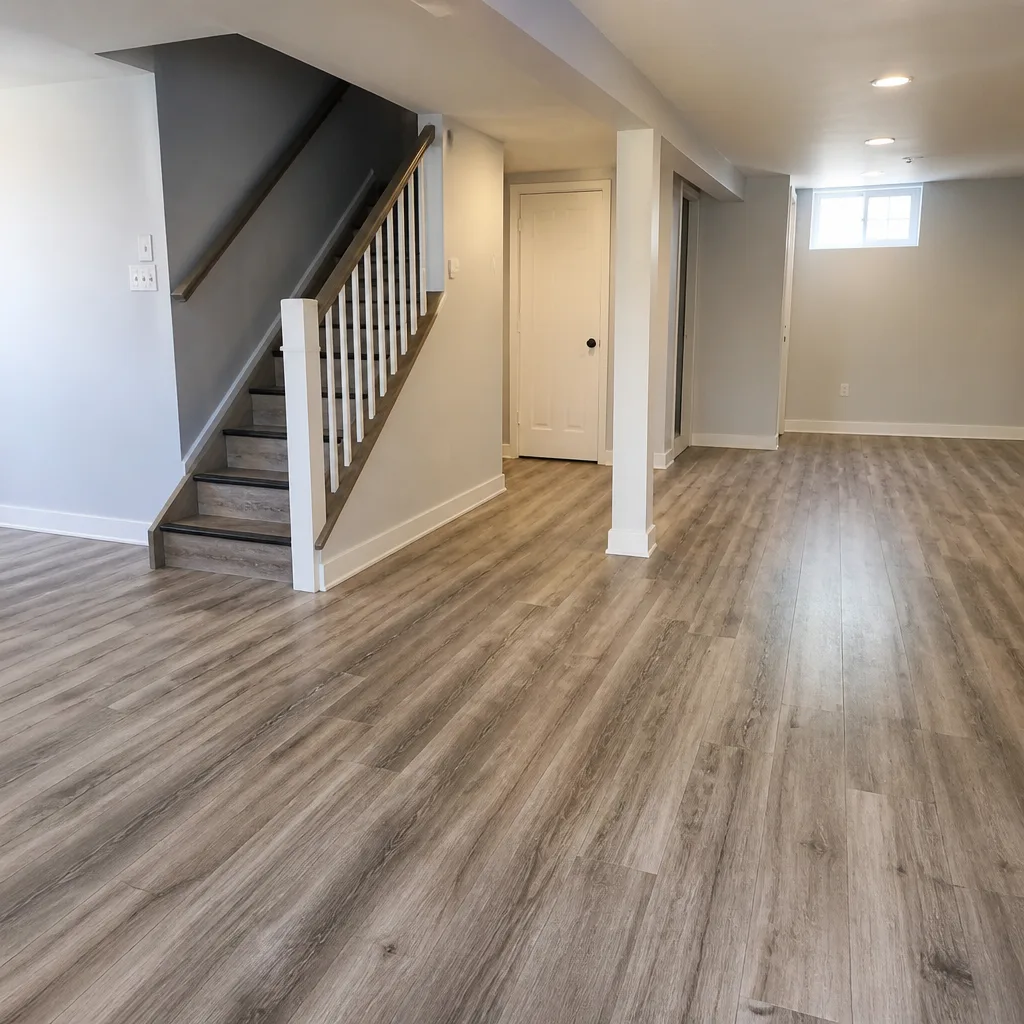 Sewage cleanup
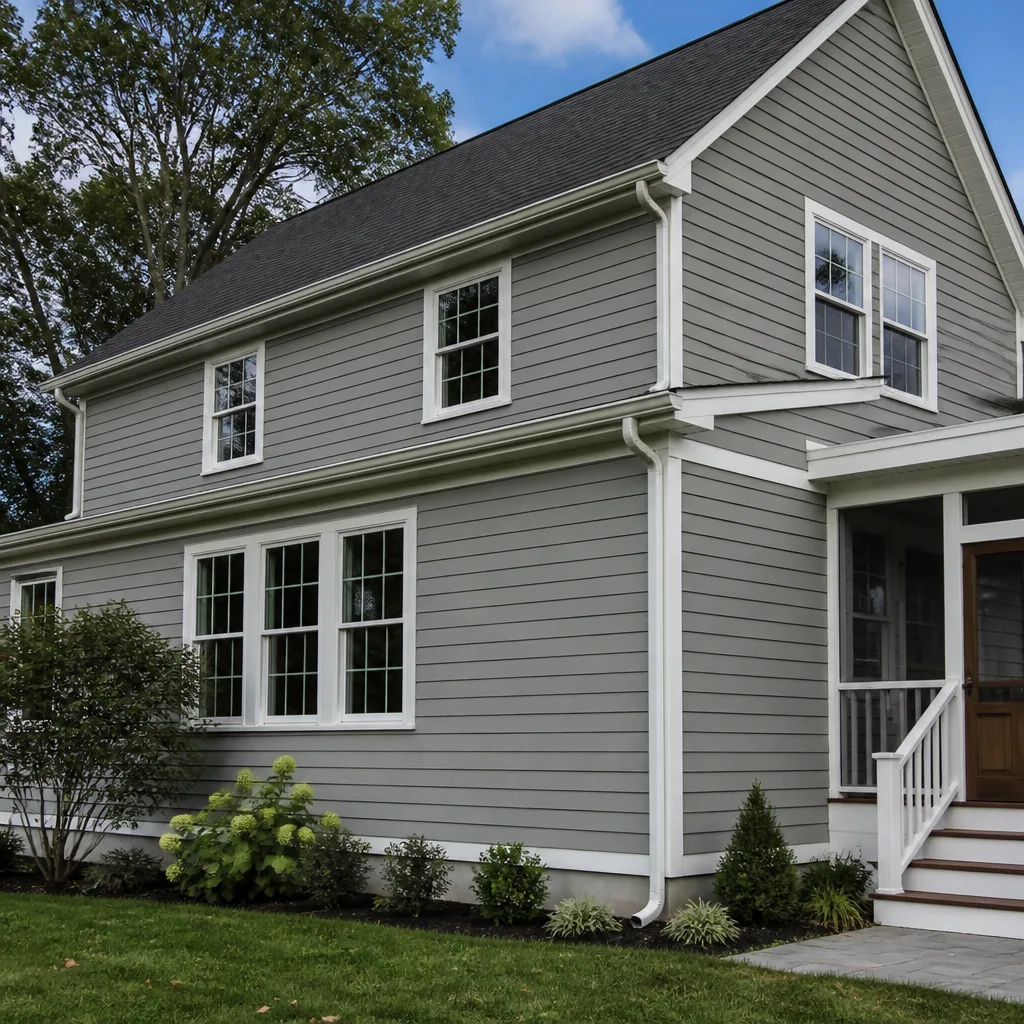 Reconstruction
Free visual inspection and a written scope of work before any mitigation begins - photos, moisture readings, and drying logs go in your claim file
The scope we write is the scope we bill. Anything new gets shown to you, in writing, before we touch it.
Get your free estimateRestoration work we handle
See the difference
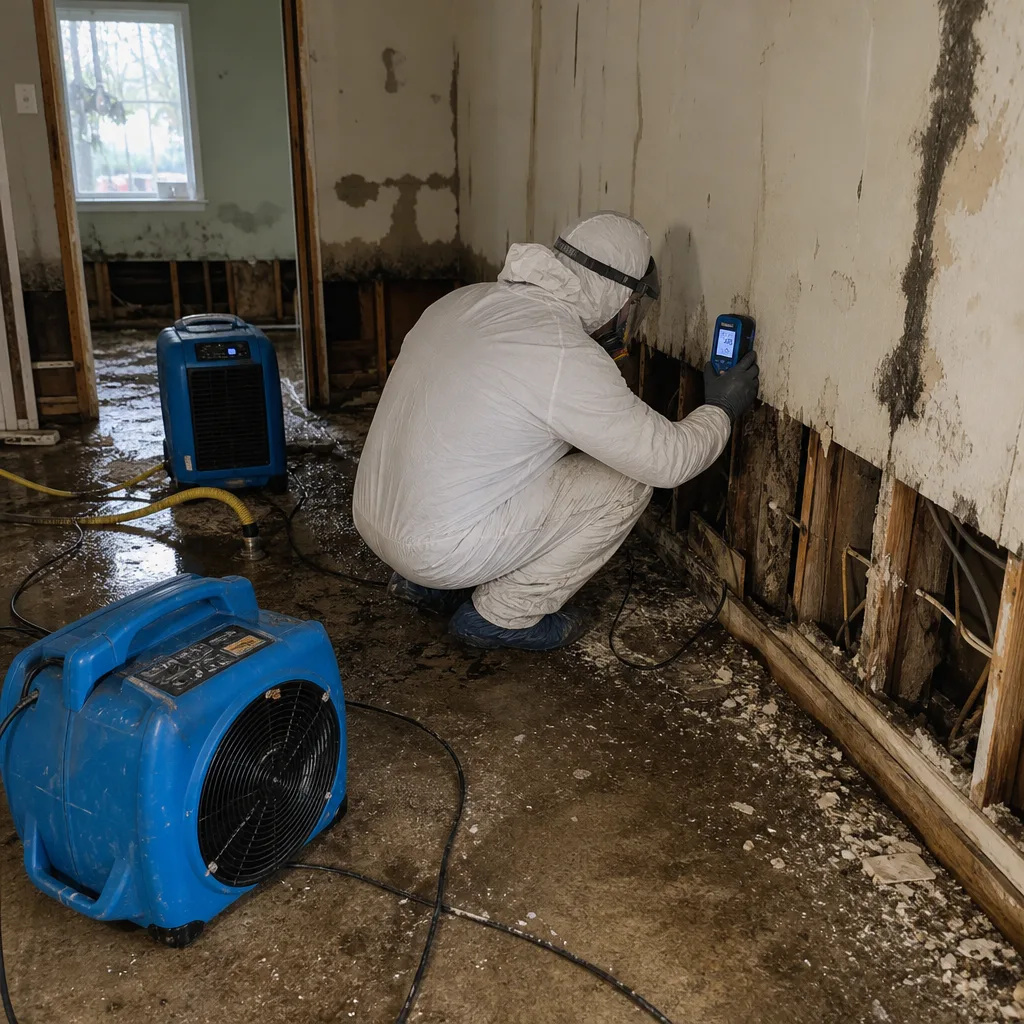 Before
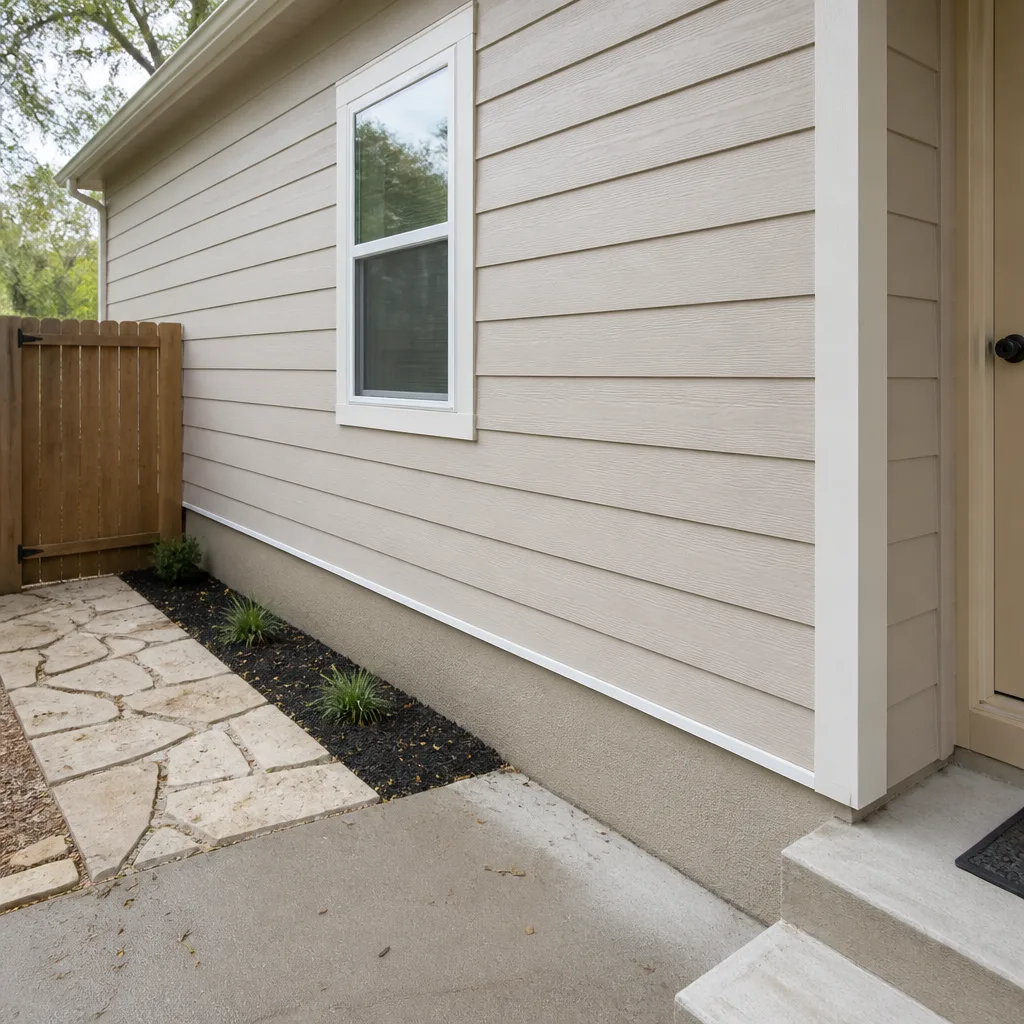 After
After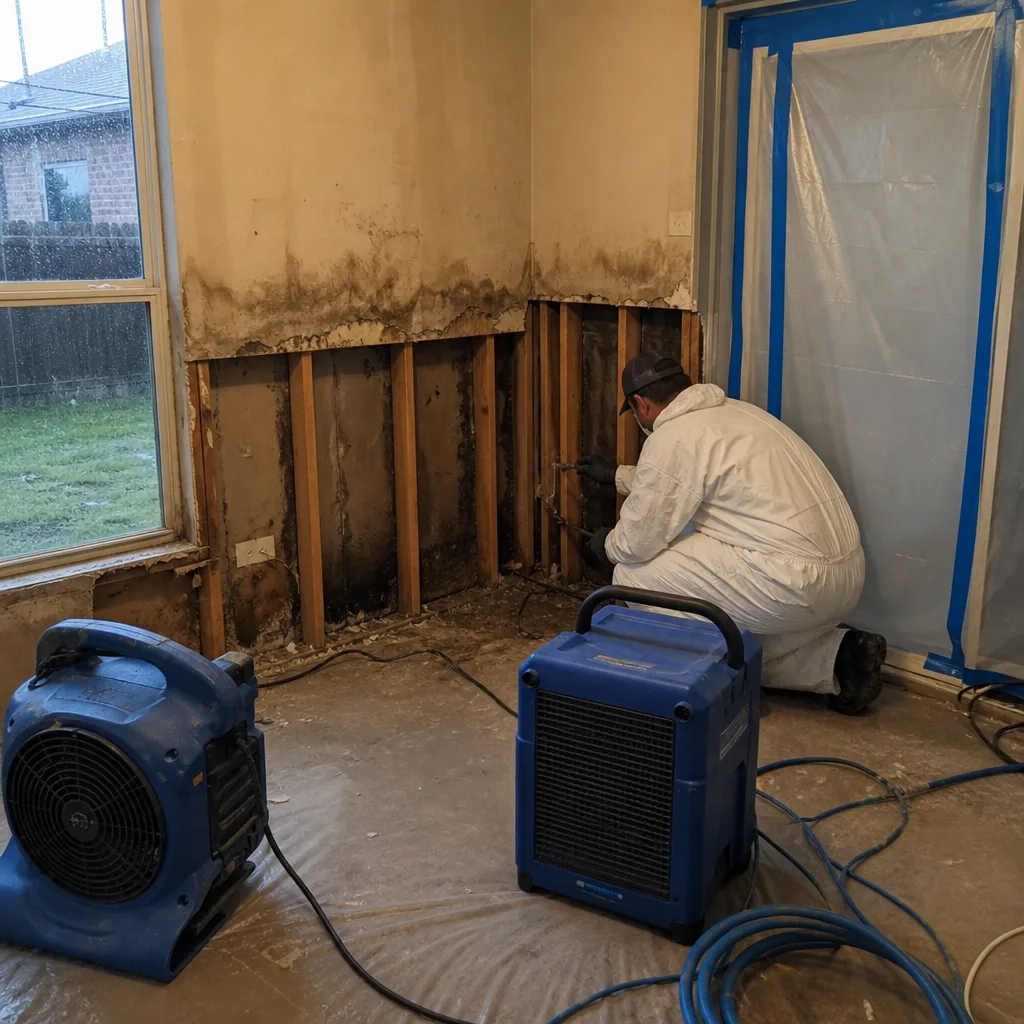 Before
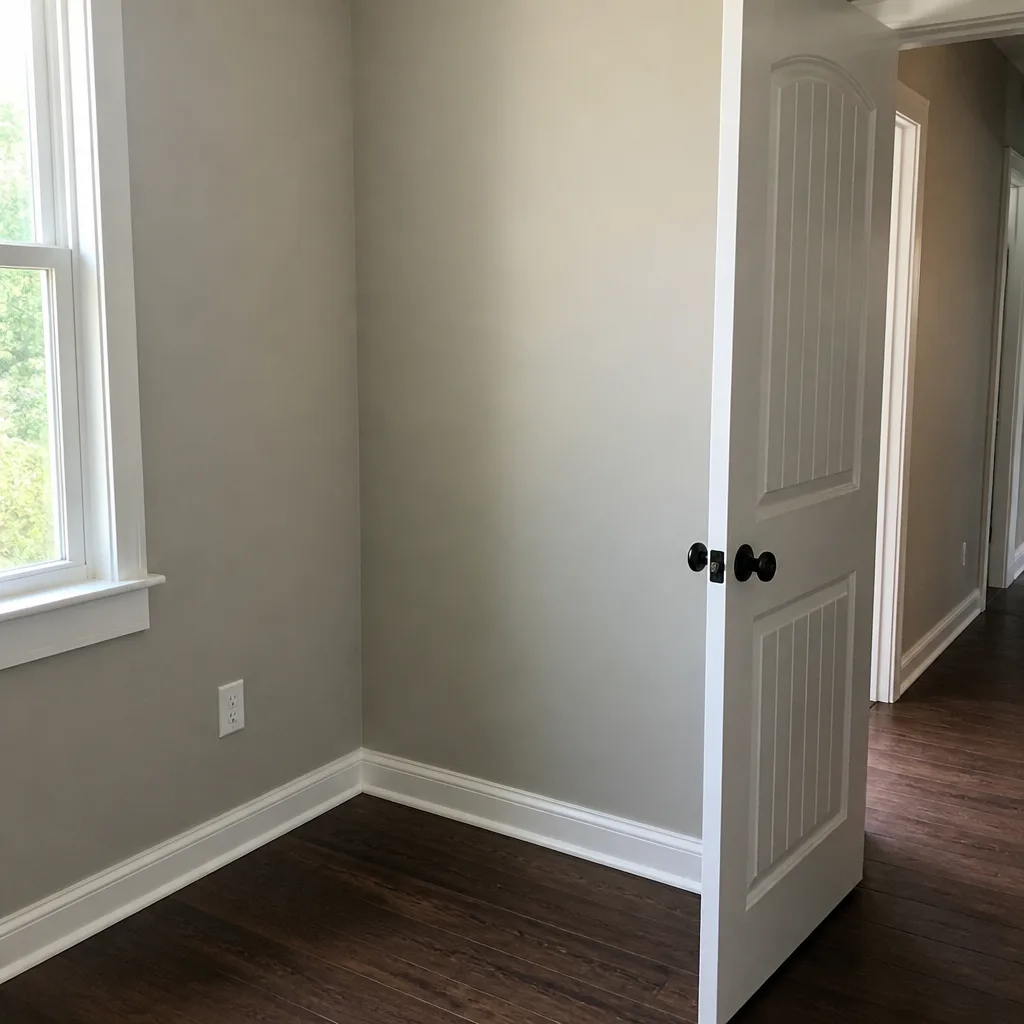 After
After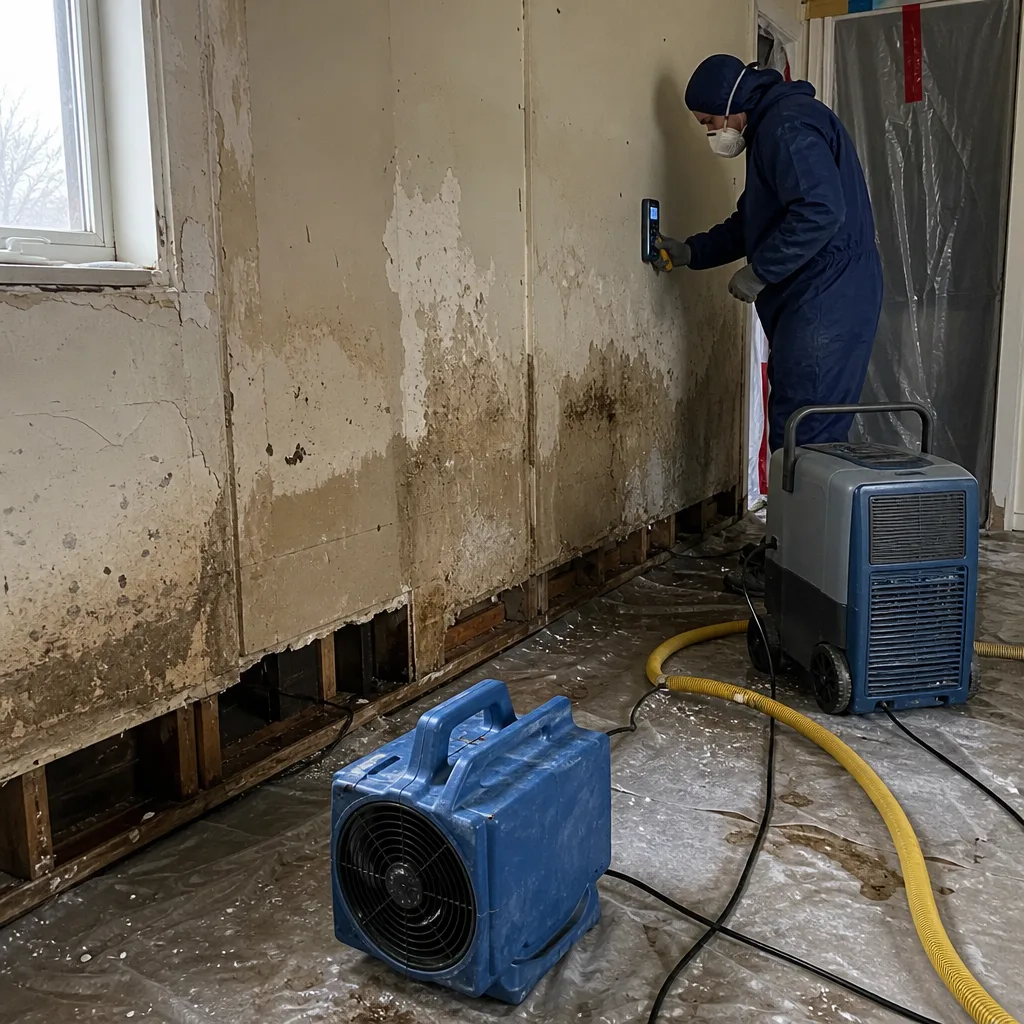 Before
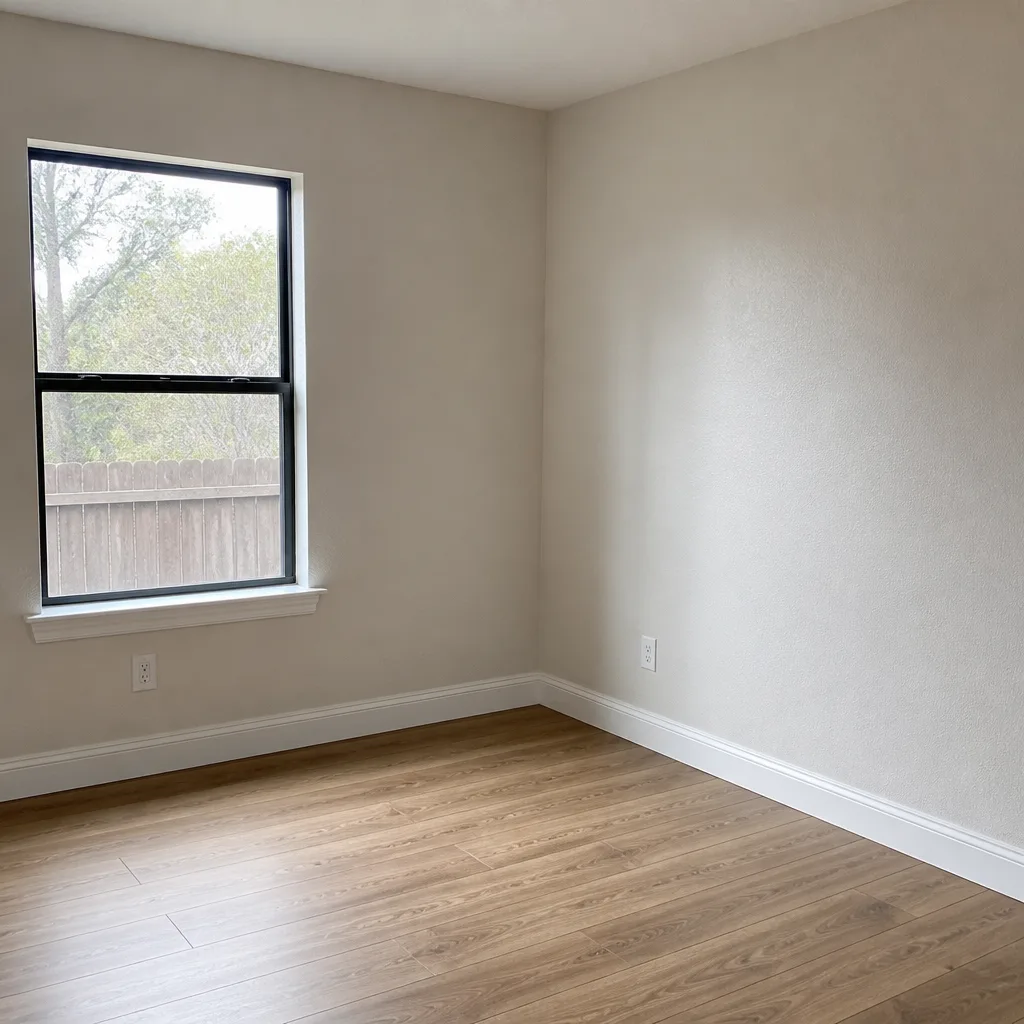 After
AfterHow Much Does Storm & Disaster Restoration Cost in San Antonio?
Storm and disaster restoration in San Antonio typically costs between $2,500 and $15,000 for most residential jobs, with water extraction and drying alone running $1,800 to $5,500 and full rebuilds after major storm damage reaching $30,000 or more. The final number depends on how fast water is removed, what materials were affected, and whether mold has begun to grow. Marsh Water Damage San Antonio gives every homeowner a written price before any work starts, so you know the number before we touch a single wet wall.
San Antonio’s storms hit different than most cities. We get flash floods off the Edwards Plateau, hail that shreds roofs along Loop 1604, and wind that pushes water under doors and through window seals in older neighborhoods like Jefferson and Monte Vista. The damage pattern matters, and so does the response time. Water sitting in drywall for 48 hours turns into a mold job. Water sitting for 72 hours turns into a gut-and-rebuild job. That’s the difference between $4,000 and $25,000, and it’s why a live person answers our phone at (325) 252-3917 every hour of every day.
Key Takeaways
- Most San Antonio storm restoration jobs land between $2,500 and $15,000; simple water extraction without structural repair starts around $900 to $2,200.
- Mold remediation after storm water intrusion adds $1,500 to $6,000 depending on square footage affected.
- Roof tarping and emergency board-up in San Antonio runs $200 to $800 on average, often covered by insurance.
- You’ll pay more if water reached hardwood flooring, load-bearing framing, or electrical systems.
- Marsh Water Damage San Antonio gives a written price before work begins and a written guarantee on every repair, backed by the 365-Day Done Right Promise.
- Call (325) 252-3917 for a free estimate; you’ll get a quote in writing, not a vague ballpark over the phone that changes after demo starts.
Storm & Disaster Restoration Cost Breakdown (2026)
Here’s what we’re seeing across San Antonio in 2026, from Alamo Heights to Stone Oak to the West Side. These are real working numbers from jobs our crews have priced and completed over the past year, not national averages pulled from a database.
| Service | Typical Cost Range (San Antonio, 2026) | What’s Included |
|---|---|---|
| Water extraction (standing water removal) | $900 – $2,200 | Extraction pumps, initial moisture mapping, removal of standing water from floors and carpet pad |
| Structural drying (equipment placement) | $1,200 – $3,500 | Commercial air movers and dehumidifiers from Dri-Eaz and Phoenix, 3 – 7 days of drying, daily moisture readings |
| Drywall removal & replacement | $2,500 – $6,000 | Cutting out saturated drywall, disposal, re-hang, tape, float, and texture |
| Mold remediation (post-storm) | $1,500 – $6,000 | Containment, HEPA air scrubbing, antimicrobial treatment, removal of colonized material |
| Emergency roof tarping / board-up | $200 – $800 | Waterproof tarp installation, plywood board-up for broken windows, temporary weather seal |
| Flooring removal & replacement | $1,800 – $7,500 | Per flooring type; laminate and carpet pad are cheaper, hardwood and tile are higher |
| Full storm restoration (multi-room) | $8,000 – $30,000+ | Complete water mitigation, mold control, structural repair, finish work |
These are the prices we stand behind in writing. Before any work starts, you get a line-item breakdown. Not a number scribbled on a business card, not a “we’ll figure it out as we go.” A real price on paper. If the job changes because hidden damage emerges, we stop and tell you before we spend another dollar of your money.
What Drives Cost Up or Down
Water doesn’t spread evenly across San Antonio, and neither do restoration costs. A burst pipe in a bathroom on a slab foundation in Helotes behaves differently than wind-driven rain that soaked an attic in Terrell Hills. The biggest cost variables we see are the category of water (clean, gray, or black), how long it sat, and what it touched. Category 1 water from a supply line is cheapest to handle. Category 3 water, which includes storm surge and flood water carrying sediment and sewage, requires full containment, antimicrobial treatment, and often removal of porous materials entirely.
Flooring type matters more than most homeowners expect. Carpet and pad absorb fast and cost less to replace. Tile over concrete in a 1950s ranch house dries out with minimal fuss. Hardwood floors in a new build near The Dominion cup, warp, and buckle. That’s where budgets can jump from $3,000 to $12,000 in the space of one room.
What Affects Storm & Disaster Restoration Pricing in San Antonio
- Water category and contamination level. Storm water from a flash flood in the Olmos Basin carries mud, bacteria, and sometimes raw sewage. This is Category 3 water and demands full containment, antimicrobial treatment, and disposal of absorbent materials. It costs two to three times more than clean water extraction from a burst supply line.
- Time elapsed before extraction begins. Every hour water sits, it wicks upward into drywall, saturates baseboards, and feeds mold spores. We see the biggest cost jumps in homes where water sat overnight. If we can get trucks rolling within hours of your call, the job often stops at extraction and drying. Wait two days, and you’re now paying for demolition and rebuild, too.
- Drying chamber size and layout. A one-room extraction is straightforward. A two-story home where water traveled from an upstairs bathroom down through ceiling joists in the living room below requires containment chambers, multiple dehumidifier placements, and psychrometric readings (measuring the moisture content in the air) across different zones. More zones, more equipment, more labor.
- Finish materials affected. Custom millwork, crown molding, and hard-to-match tile in older neighborhoods like King William or Lavaca cost more to replicate than standard builder-grade finishes. We document every material before removal so insurance adjusters don’t try to pay you for builder-grade replacement of a 1920s craftsman detail.
- Structural access requirements. Some San Antonio homes have crawl spaces under pier-and-beam foundations in neighborhoods like Tobin Hill, and water pools there where nobody sees it until the floors above start to smell. Accessing and drying cramped crawl spaces adds labor hours and sometimes requires floor access cuts.
- Mold onset and remediation scope. San Antonio’s humidity accelerates mold growth. After storms in August and September, we measure visible colonization in as little as 48 to 72 hours. Remediation requires negative-air containment, HEPA filtration, and disposal of colonized drywall and insulation. It’s often the single largest line item added to a storm restoration budget.
Typical Storm Damage Timelines in San Antonio
The First 24 Hours: Extraction and Stabilization
This is the window where the dollar amount is still in your control. Our crews arrive with truck-mounted extraction equipment from Dri-Eaz, pull standing water, and place commercial air movers and dehumidifiers. We document everything with moisture meters and photos for your insurance carrier. Expect water extraction alone in San Antonio to run $900 to $2,200 for an average room, with an additional $1,200 to $3,500 for drying equipment. But here’s what matters: if we extract and dry within the first 24 hours, most San Antonio jobs never escalate past this stage.
Days 2 – 5: Drying and Daily Monitoring
Our technicians return daily to take psychrometric readings, the measurements of moisture in the air and in materials that tell us when a structure is genuinely dry, not just dry to the touch. Moving air and dehumidification runs continuously during this window. You’re not paying for daily visits as a separate fee; it’s built into the drying package we priced before we started.
Days 5 – 14: Demolition and Material Removal (If Needed)
If water saturated drywall above the wicking line, or if we find mold, this is when we remove the damaged materials. This is where budgets climb. Drywall removal and replacement in San Antonio runs $2,500 to $6,000 depending on the room count and finish level. We bag, seal, and dispose of damaged materials in accordance with local San Antonio code and IICRC standards.
Weeks 2 – 8: Reconstruction and Finish Work
The reconstruction phase covers what most homeowners picture when they think “restoration.” Drywall, paint, flooring, trim. Full rebuilds in San Antonio after major storms commonly total $8,000 to $30,000 or more. We give you a separate written scope for reconstruction, so you know exactly what’s included and what your insurance adjuster should be looking at when they cut your check.
How to Save on Storm & Disaster Restoration
Saving money on storm restoration isn’t about finding the cheapest crew. It’s about speed and documentation. Here’s what actually saves money in San Antonio:
- Call the moment water enters. We answer the phone with a live person at (325) 252-3917, 24/7. The fastest way to save $5,000 is to call before water saturates framing and triggers mold growth.
- Don’t wait for your insurance adjuster to call back before extracting water. Most policies require you to mitigate further damage. Waiting can invalidate portions of your claim. We document everything so you can submit to insurance after the fact, but the extraction needs to happen now.
- Move belongings out of wet zones immediately. Furniture sitting on wet carpet wicks water upward and ruins wood legs, upholstery, and anything stored inside. Moving items out of the water path in the first hour protects contents that would otherwise add to your claim.
- Check your policy for hidden coverages. Many San Antonio homeowners don’t realize their policy covers emergency roof tarping, board-up, and even food spoilage after a storm. We’ll help you identify what to ask about, but we always recommend a public adjuster or your agent for exact policy language.
- Take photos and video before any cleanup begins. Insurance disputes often turn on whether damage predated the storm. A quick phone video walkthrough, with date and time stamps, is the strongest evidence you’ll have.
- Get a written price before signing anything. We hand you a line-item price before we start. It protects you from the “balloon after demo” problem that plagues this industry. If our price changes because of hidden damage, you approve the change before we proceed. No exceptions.
Estimates are free. There’s no charge for a written quote, no charge for a second opinion, no charge for the phone call itself. Call (325) 252-3917 and we’ll send a Threshold Verified technician to assess the damage and put a number in your hand.
Insurance and Storm Restoration in San Antonio: How It Works
Most storm damage restoration in San Antonio gets paid through homeowner’s insurance, and the process follows a pattern. You file a claim, an adjuster visits, and a mitigation company does the work. We know that dance, and we document to the standard your carrier expects. Moisture readings, photo logs, and moisture maps all go into your file so the adjuster sees exactly what we saw when we opened the wall. We’ve done this since 2005, under Tobias Reyner’s leadership at Marsh Water Damage San Antonio, and we know what Texas carriers want to see before they approve a line item.
One thing we tell every homeowner: know whether you have replacement cost value (RCV) or actual cash value (ACV) coverage. RCV pays what it costs to rebuild with similar materials. ACV deducts depreciation, which means a 12-year-old roof might pay out almost nothing. If you’re in a hail-heavy zone near Culebra Road or out toward Converse, check your policy before you need it, not after.
Storm & Disaster Restoration in San Antonio: How the Threshold Verified Standard Works
A storm is disruptive. A crew of strangers in your home is a second disruption. We built our process to remove that second one. Every Marsh Water Damage San Antonio visit starts before the technician ever turns onto your street. You receive the technician’s name and photo before they arrive. When they knock, they show a photo ID badge at the door. Every time. That’s the Threshold Standard, and it applies to our team from the first call to the final walkthrough. Tobias Reyner established this protocol as a standing requirement, not a first-visit courtesy.
The name Marsh isn’t accidental. It’s low, wet ground. Water where it shouldn’t be. It’s exactly what we handle every day, and it’s exactly what happens when a San Antonio storm pushes water under your door. Our team handles storm and disaster restoration in San Antonio with the same commercial-grade equipment and protocols used on large commercial losses, applied to your living room, your hallway, your kitchen.
Who Is Coming to Your Door
Every technician is background-checked and identity-verified through the Threshold Verified protocol. Our crew holds credentials through the IICRC, RIA, and IFA, the recognized training bodies in the restoration industry. We run equipment from Dri-Eaz, Phoenix, XPOWER, B-Air, and Injectidry. These are the same brands national franchises deploy for multi-million-dollar commercial losses. We use them on residential jobs because your home deserves the same standard.
FAQs – Storm & Disaster Restoration Cost
How much does storm damage restoration cost in San Antonio?
Most storm restoration jobs in San Antonio run between $2,500 and $15,000, with water extraction and drying alone at $1,800 to $5,500 and full rebuilds after major storms reaching $30,000 or more. Your exact number depends on water category, time elapsed, and materials affected. Call (325) 252-3917 for a written quote at no charge.
Can you come out today for storm damage?
Yes. We answer with a live person 24/7 at (325) 252-3917, and we dispatch crews across San Antonio the same day. Water damage should not wait for a callback. Call us now and a Threshold Verified technician will be scheduled with a name and photo before you open the door.
Is it cheaper to repair storm damage or replace it?
For water and mold damage, repair is almost always cheaper if it happens in the first 24 to 48 hours, typically $1,800 to $5,500 for extraction and drying. Replacement costs, involving demolition and reconstruction, run $8,000 to $30,000+. The fastest way to avoid replacement is to extract water immediately; call us at (325) 252-3917.
Does homeowners insurance cover storm restoration in San Antonio?
In most cases, yes. Standard Texas homeowners policies cover sudden storm damage, including wind-driven rain, hail, and flooding from storms, though coverage varies by policy. Emergency tarping and board-up are typically covered. We document everything for your claim and give you a free estimate at (325) 252-3917 so you can hand your adjuster a real number, not a guess.
How much does mold remediation cost after a storm in San Antonio?
Mold remediation after storm water intrusion in San Antonio runs $1,500 to $6,000 depending on square footage, containment requirements, and whether drywall and insulation need removal. San Antonio’s heat and humidity accelerate mold growth, so fast extraction matters. We’re available 24/7 at (325) 252-3917 and will send a photo-badged, identity-verified technician.
Is Marsh Water Damage San Antonio licensed and insured?
Yes. Marsh Water Damage San Antonio is licensed and insured in the state of Texas, and every technician is background-checked and identity-verified under the Threshold Verified protocol.
Get a Written Price Before You Decide
The storm has already made enough decisions for you. What it costs to fix shouldn’t be a mystery. Call (325) 252-3917 and we’ll send a technician you know by name and photo, equipped with the same commercial drying gear we’d deploy on a flood-damaged hospital, and we’ll put a written price in your hand before a single piece of equipment is unloaded. Every repair carries a written guarantee and the 365-Day Done Right Promise. If it’s not right within a year, we make it right, including a free second visit, automatically. That’s not a promotion. It’s printed on every work order we write.
If you’re standing in a wet hallway in San Antonio right now, start here: call home base at (325) 252-3917. A live person answers, every time.
Pricing reflects the San Antonio market as of 2026. Marsh Water Damage San Antonio offers free estimates – call (325) 252-3917.
Written by Tobias Reyner, Owner at Marsh Water Damage San Antonio, serving San Antonio since 2005.
What Our Customers Say
"Good job overall. Equipment noise was loud at night, but they explained why it was needed. Dried out fully and passed the final reading."
- Carla J."Pipe broke under the sink and soaked the cabinet and floor. They extracted the water, removed the wet flooring, and documented everything for the insurance."
- Judith L."They explained the whole drying plan on paper first, and the estimate matched the invoice. Pulled wet baseboards and cut out only what was needed."
- Terrence H.