
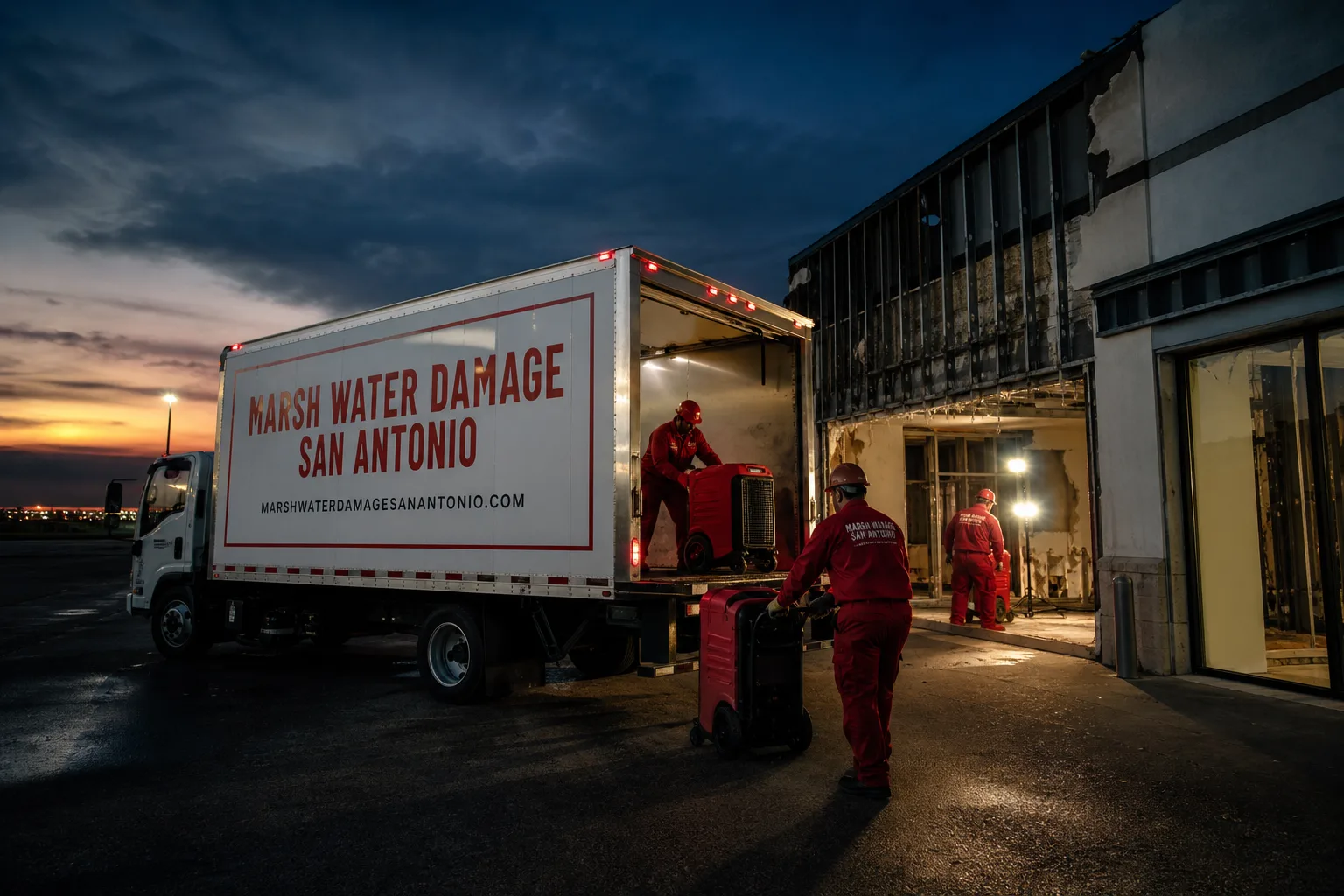
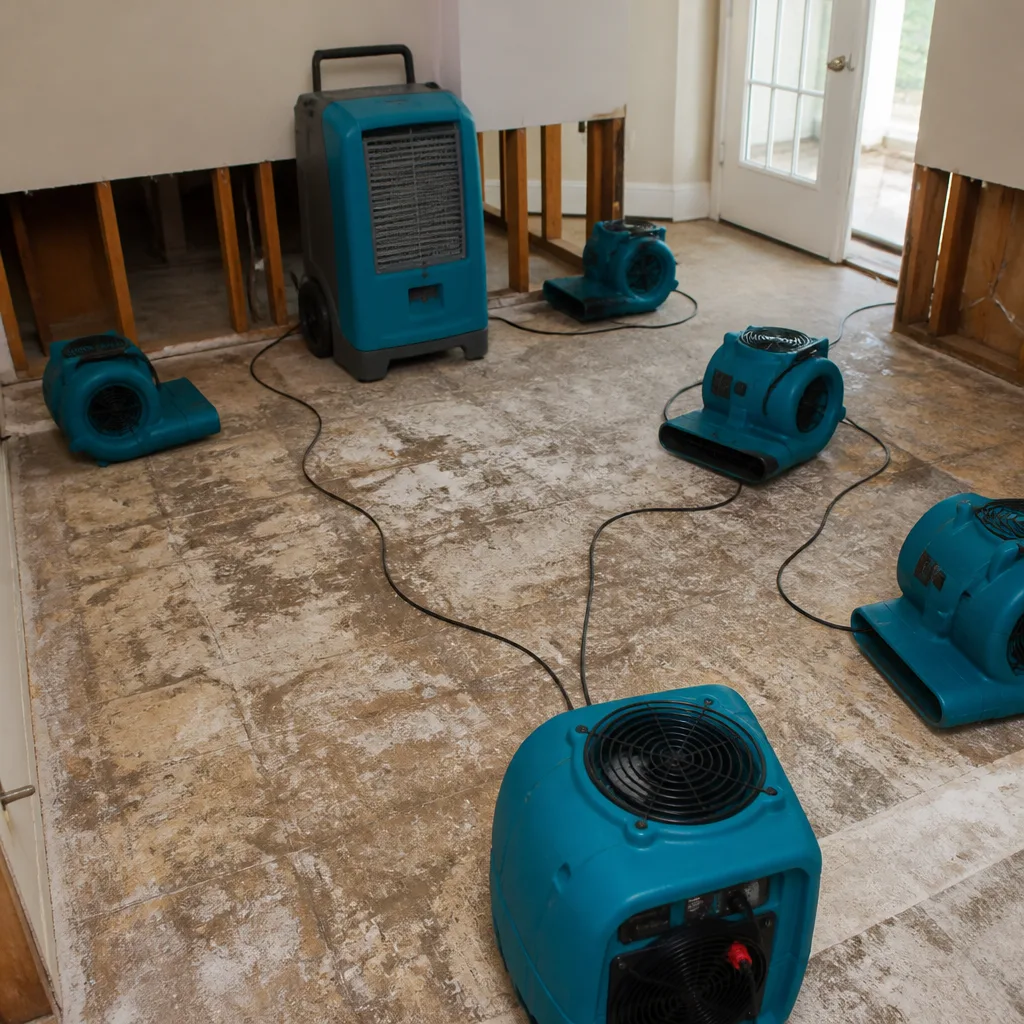
 Water damage drying
 Fire & smoke cleanup
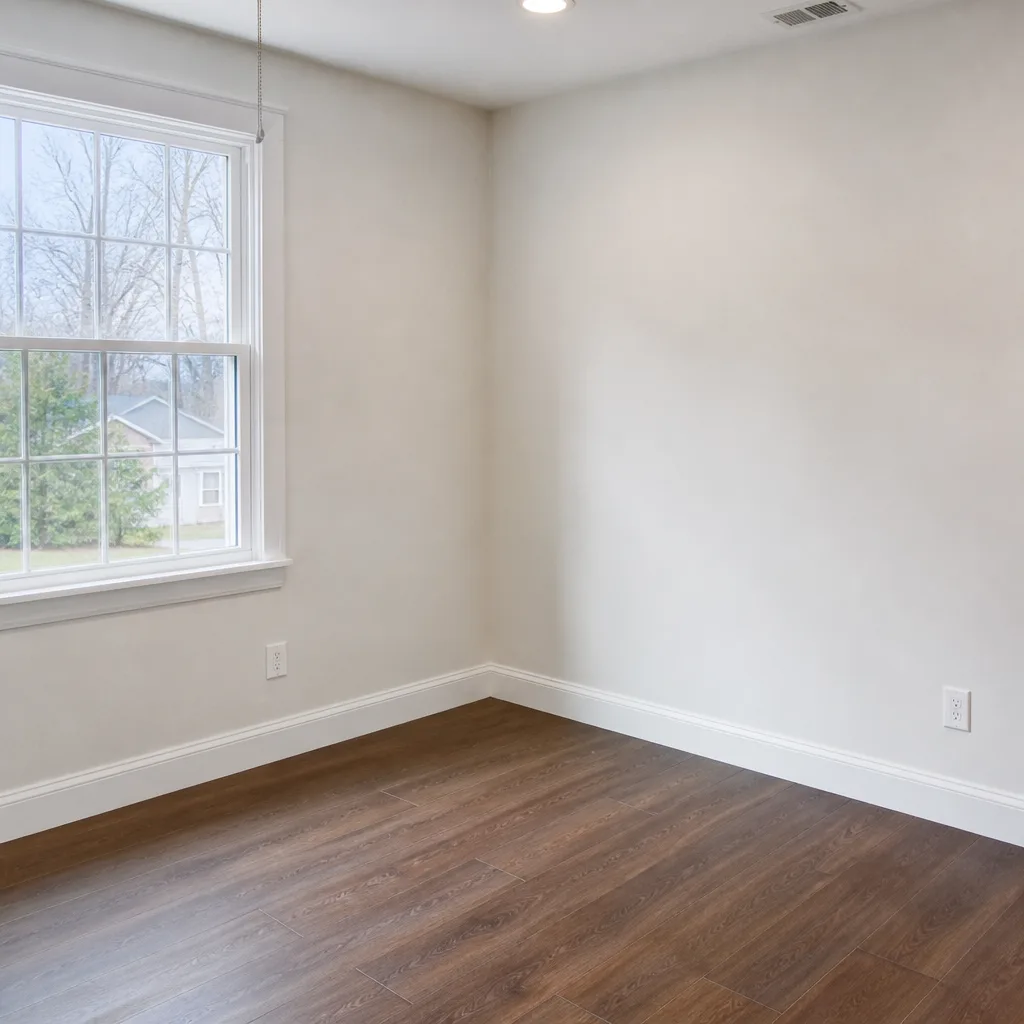 Mold remediation
 Storm response
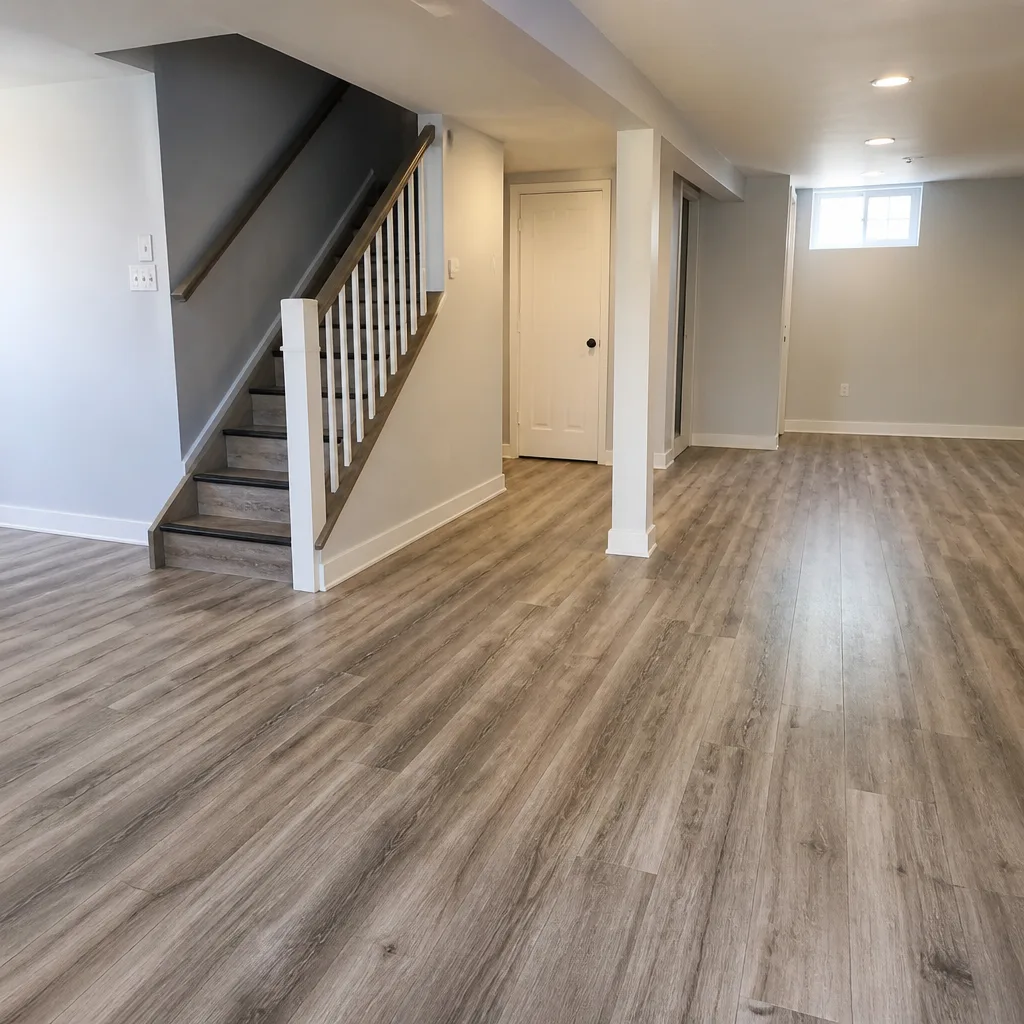 Sewage cleanup
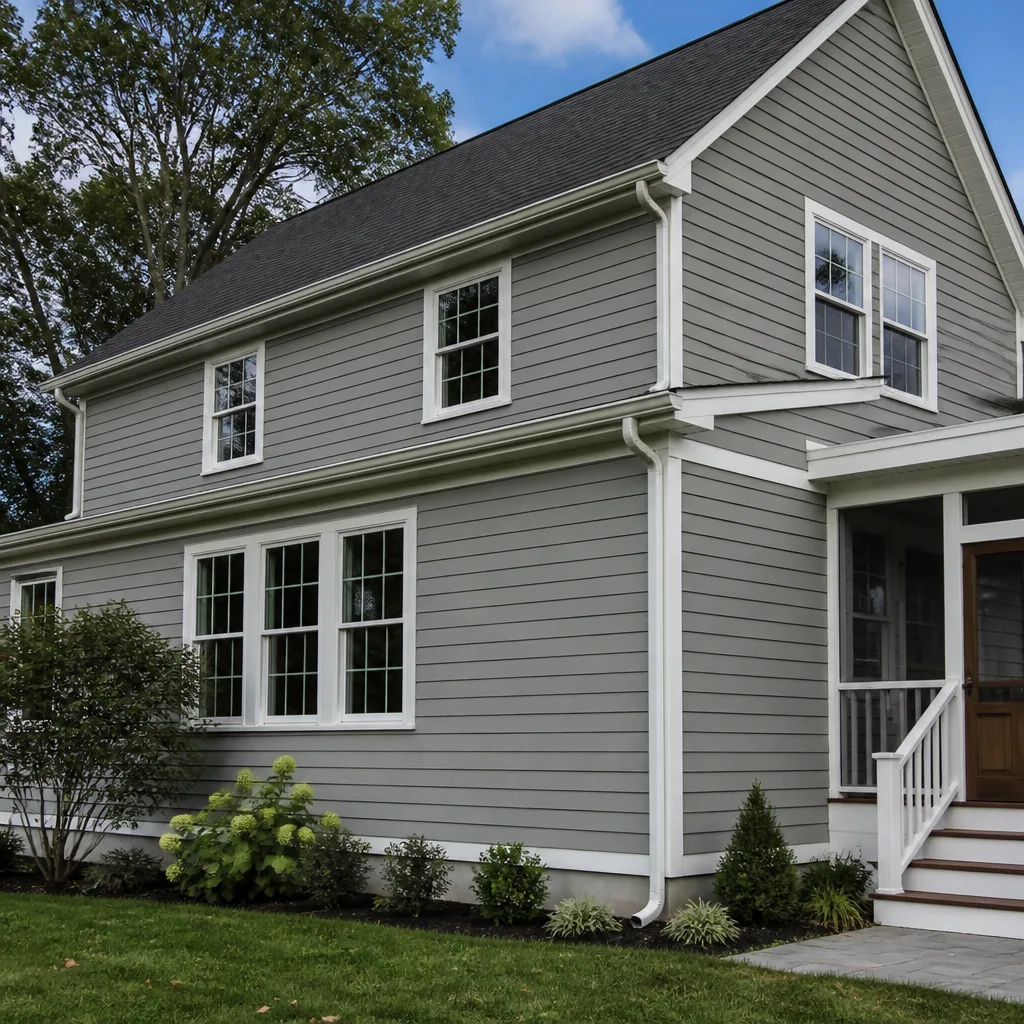 Reconstruction
Free visual inspection and a written scope of work before any mitigation begins - photos, moisture readings, and drying logs go in your claim file
The scope we write is the scope we bill. Anything new gets shown to you, in writing, before we touch it.
Get your free estimateRestoration work we handle
See the difference
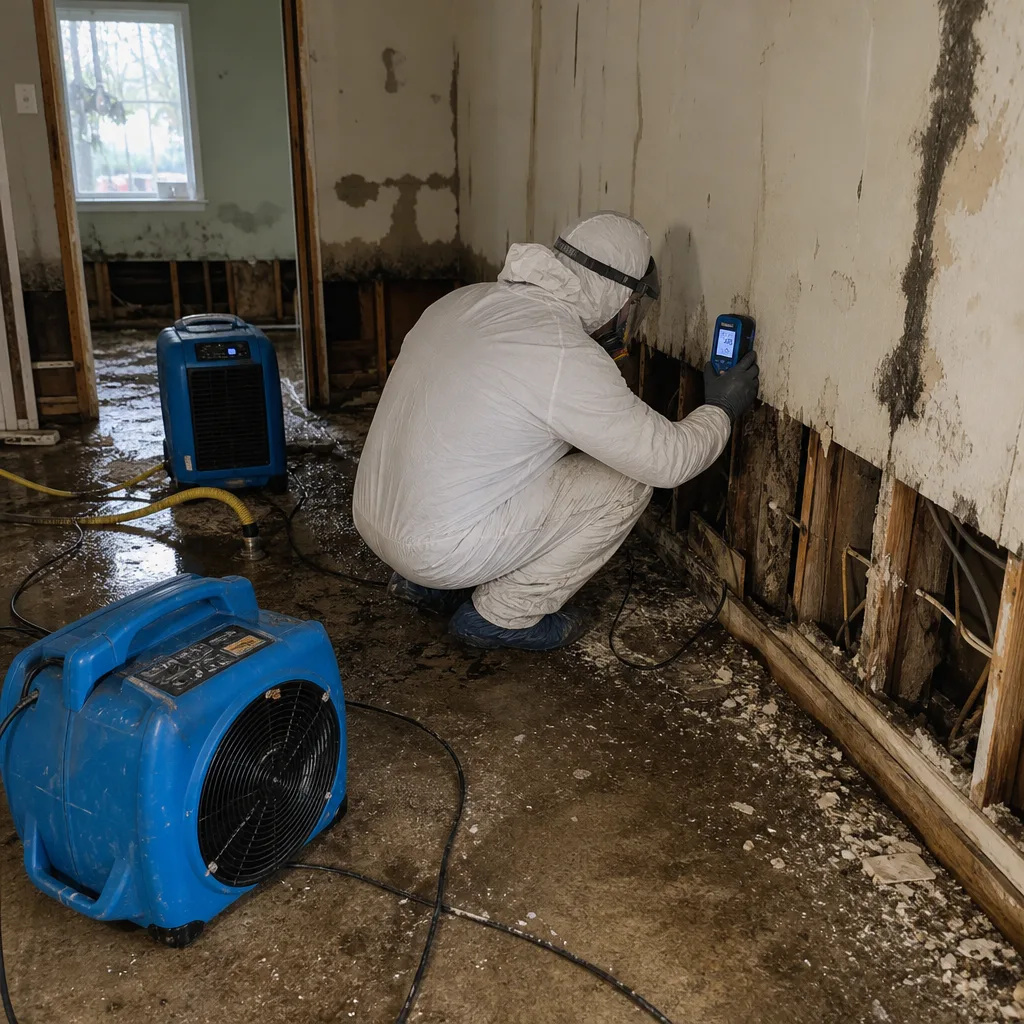 Before
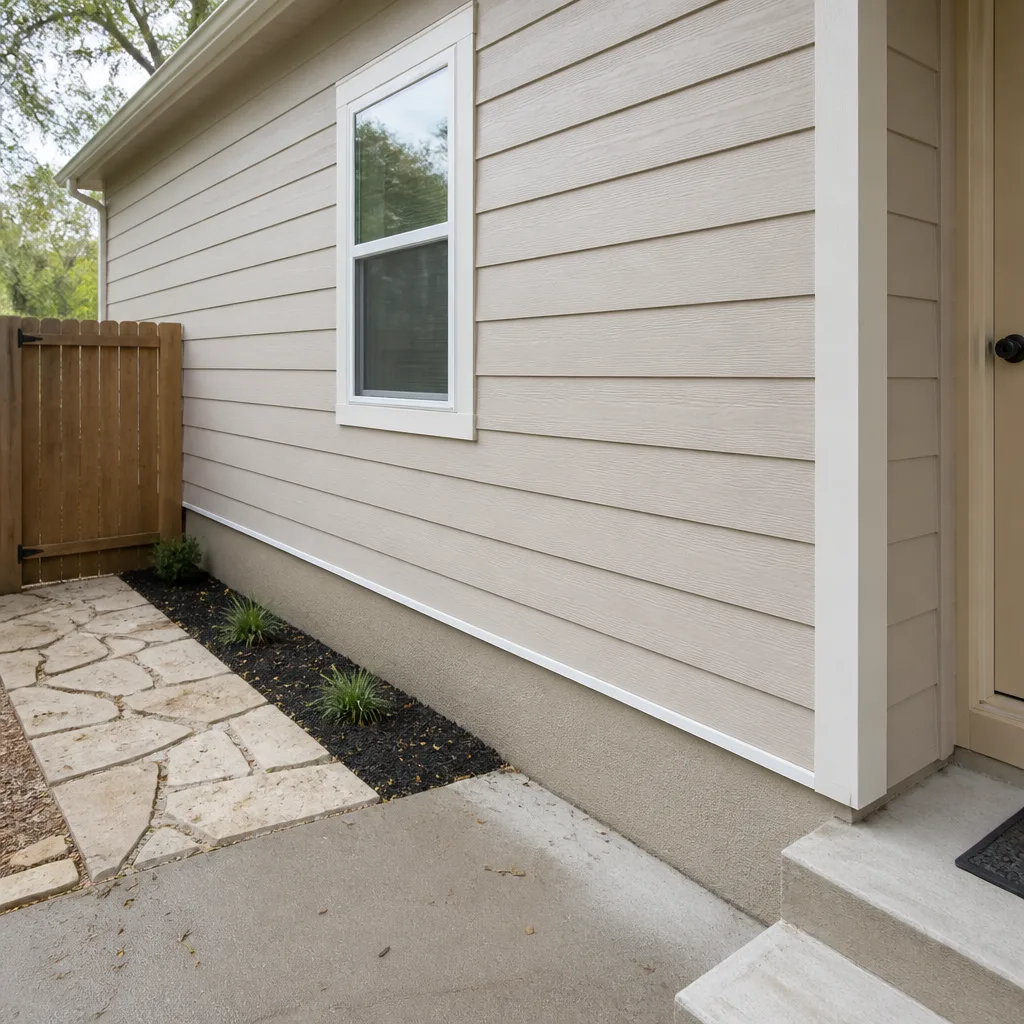 After
After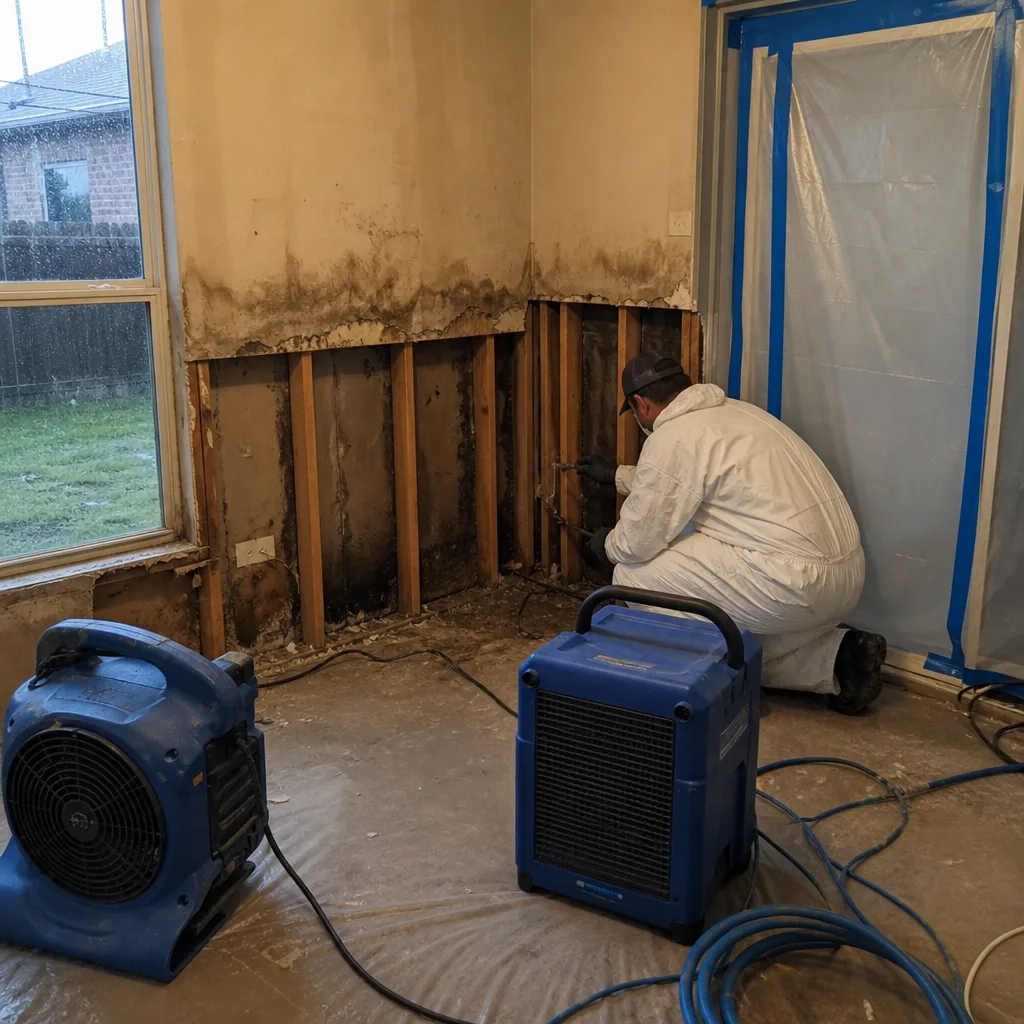 Before
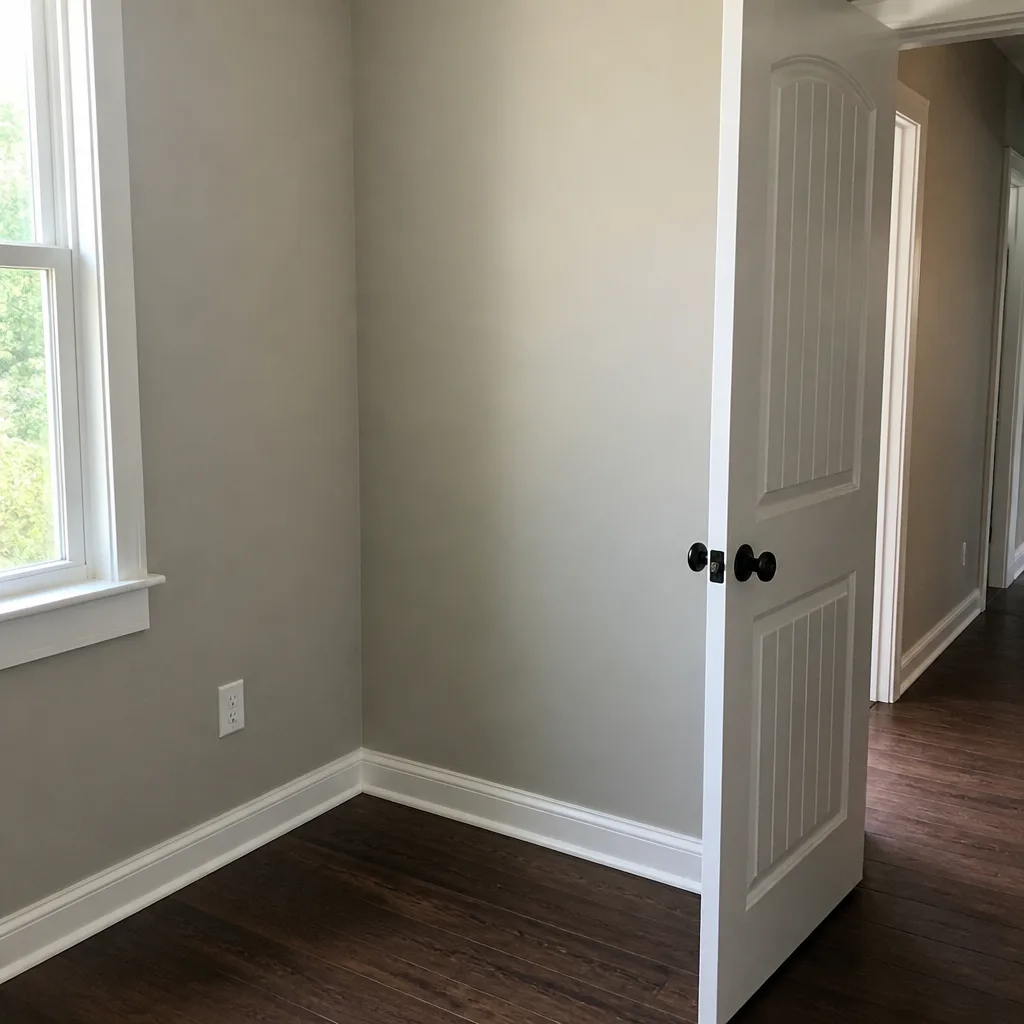 After
After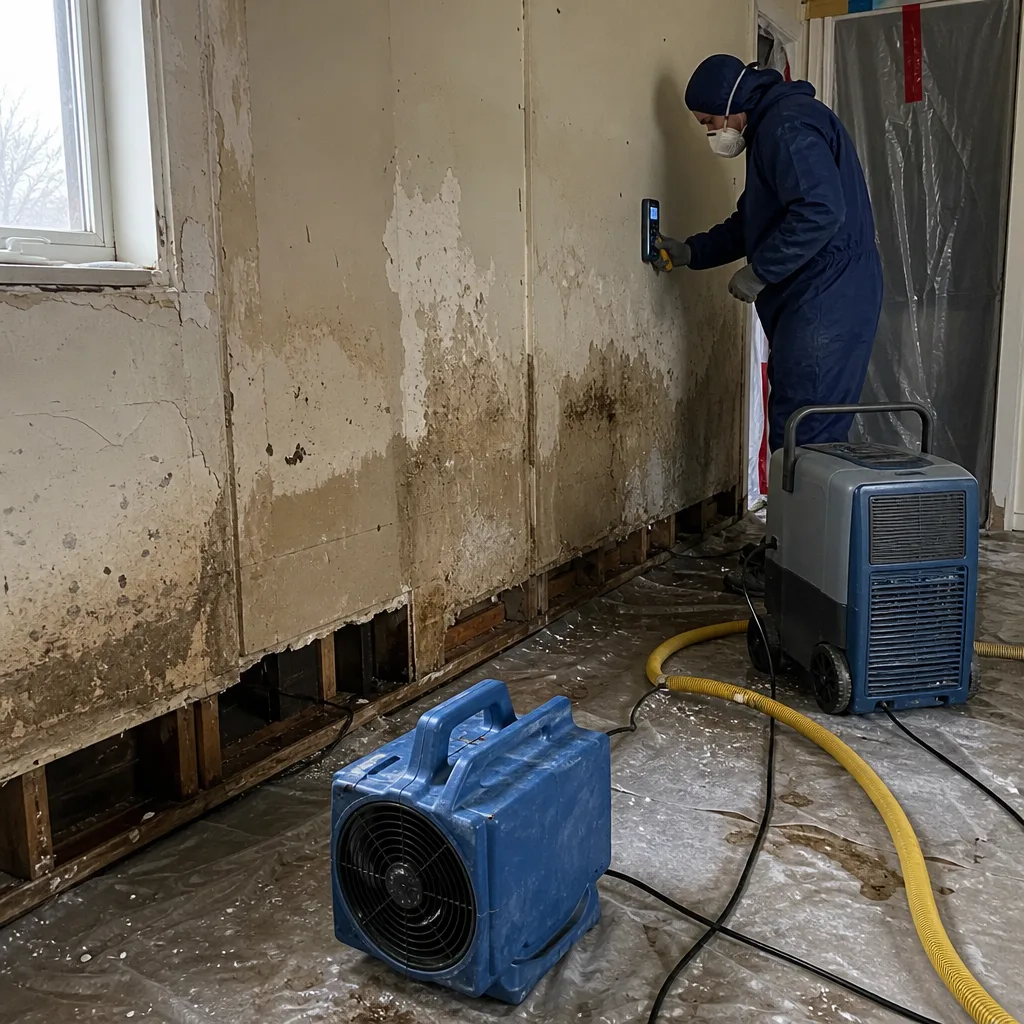 Before
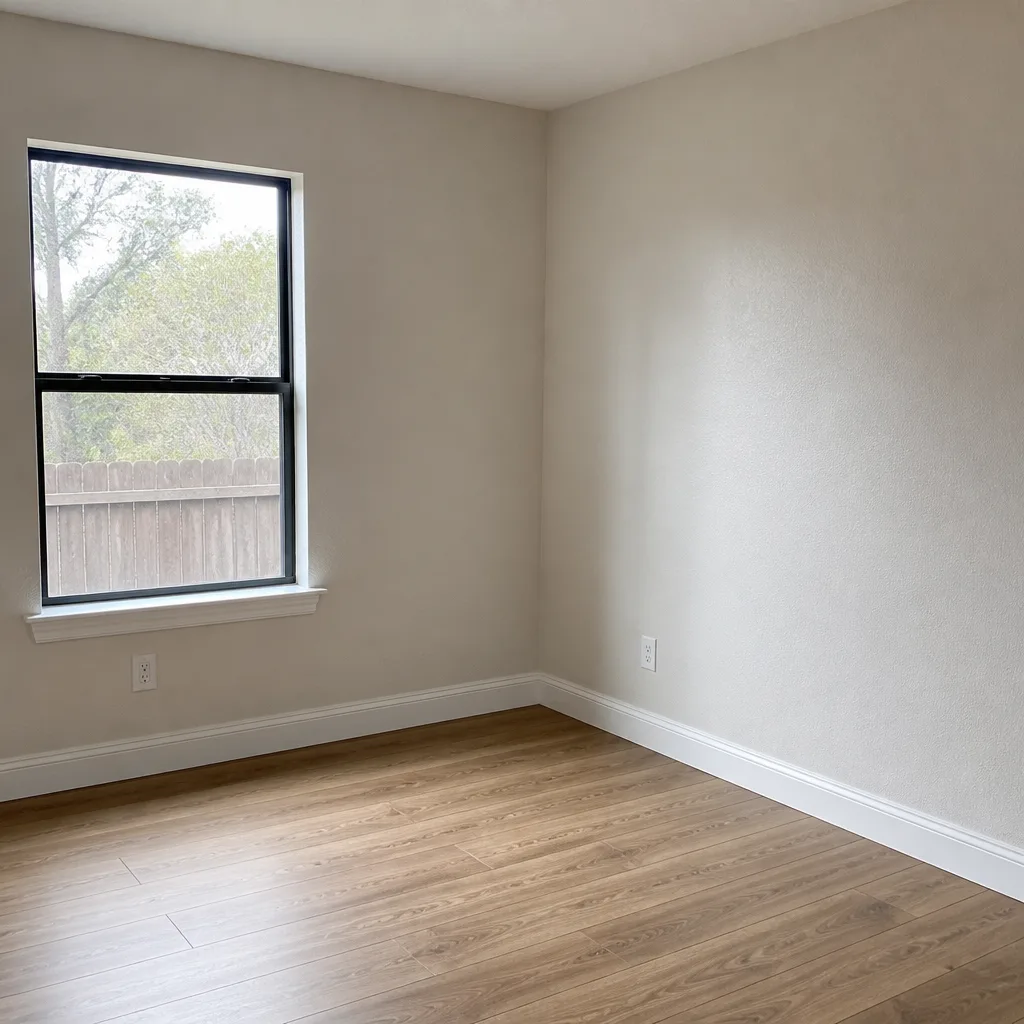 After
AfterHow Much Does Water Damage Restoration Cost in San Antonio?
Water Damage Restoration services in San Antonio typically cost between $1,800 and $6,500 for most residential jobs, with the average homeowner spending around $3,500 in 2026. Small, contained leaks like a burst supply line under a sink often run $900 to $1,800, while a full-home flood from a failed water heater or storm intrusion can reach $12,000 or more. These figures cover extraction, drying, sanitizing, and basic repairs, but the final number depends on how much water got in, how long it sat, and what got wet.
Water Damage Restoration Cost Breakdown (2026)
Water Damage Restoration Near Me in San Antonio, TX is priced in layers. You’re not paying one flat fee; you’re paying for a sequence of steps, each with its own equipment, labor, and time. Here’s what those layers look like in the San Antonio market right now, based on the jobs Marsh Water Damage San Antonio sees across neighborhoods like Alamo Heights, Stone Oak, Terrell Hills, and Castle Hills.
| Service Component | Typical Cost Range (San Antonio, 2026) |
|---|---|
| Water extraction (standing water removal) | $500 – $1,500 |
| Structural drying (fans, dehumidifiers, air movers) | $700 – $2,200 (3 – 5 days) |
| Moisture detection and assessment (thermal imaging, moisture meters) | $150 – $400 |
| Demolition and debris removal (wet drywall, carpet, padding) | $600 – $2,500 |
| Antimicrobial and sanitizing treatment | $300 – $900 |
| Mold remediation (if needed) | $1,500 – $6,000 |
| Minor repairs (drywall patch, baseboards, paint) | $800 – $3,000 |
| Major rebuild (subfloor, cabinetry, electrical) | $4,000 – $15,000+ |
What pushes a job from the low end to the high end? Three things matter most: the category of water (clean, gray, or black), how long the water sat before extraction started, and whether the structure itself absorbed moisture. A clean-water leak from a supply line caught within an hour is the cheapest scenario. A sewage backup that soaked into subfloor and wall cavities for two days is the most expensive. In San Antonio’s climate, where summer temperatures regularly push past 100°F and indoor humidity climbs fast, water that sits for even 12 hours can begin supporting mold growth, which adds remediation cost on top of the water work.
What Affects Water Damage Restoration Pricing in San Antonio
Here’s what separates a $1,200 job from a $12,000 job in Bexar County.
- Water category. Clean water (Category 1) from a supply line or rain through an open window is the least expensive to handle. Gray water (Category 2) from a washing machine or dishwasher carries contaminants and requires more thorough sanitizing. Black water (Category 3) from sewage or outdoor flooding requires full protective protocols, removal of porous materials, and extensive antimicrobial treatment. Price climbs sharply with each category.
- Time before extraction begins. The single biggest variable. Water that’s extracted within an hour of the leak often means a $1,000 to $2,000 job. Every six hours of standing water in a warm San Antonio home roughly doubles the scope of what needs to be dried, torn out, or treated. After 48 hours, you’re looking at mold risk and structural saturation.
- Structure type and age. Pier-and-beam homes, common in older San Antonio neighborhoods like Monticello Park and Jefferson, hold water under the house and often need crawlspace drying, which adds $800 to $2,000. Slab foundations, more common in newer developments around Helotes and Cibolo, keep water on top but can wick moisture into drywall and baseboards quickly. Older homes with plaster walls absorb less water than modern drywall, but plaster repair costs more per square foot.
- What got wet. Carpet and pad on a concrete slab can often be dried in place if caught early, costing less than $800. Hardwood floors, especially in the classic 1920s and 1930s homes around Monte Vista, may cup, warp, or need board replacement at $10 to $20 per square foot. Kitchen cabinets with particleboard bases usually need replacement, as do most wet insulation and wall cavities.
- Access and obstacles. A burst pipe in an open garage is straightforward. A leak inside a wall behind a built-in bookcase is not. Tight crawlspaces, inaccessible attics, and water that traveled across multiple rooms all add labor hours. In San Antonio, many homes have converted garages or added-on rooms with non-standard framing, which complicates drying and demolition.
- Mold presence or risk. In San Antonio’s heat and humidity, mold can begin to colonize within 24 to 48 hours of water intrusion. If our technicians find visible mold or elevated moisture readings, the job shifts from extraction and drying to full microbial remediation, which requires containment, HEPA air filtration, and disposal of affected materials. That’s a different scope and a different line item.
How to Save on Water Damage Restoration
You can’t change what happened, but you can change what happens next. The most effective money-savers are the ones that reduce the time water spends inside your home.
- Shut off the water now. Every San Antonio homeowner should know where their main shutoff valve is. If you can’t find it, make that a priority before a leak finds it for you. Knocking minutes off the response time saves hundreds of dollars in drying labor and material replacement.
- Call immediately, even if it looks small. The $150 to $400 assessment fee we charge to send a technician with a moisture meter and thermal camera is the cheapest money you’ll spend on a water event. Catching water that’s hiding behind baseboards or under vinyl plank flooring before it spreads to adjacent rooms often cuts total job cost by half or more.
- Don’t wait for the insurance company to call you back. Most homeowners insurance policies in Texas cover sudden and accidental water damage, including burst pipes and appliance failures. But every policy has a duty-to-mitigate clause, which means you’re responsible for stopping further damage as soon as possible. Waiting three days for an adjuster while water sits and mold grows can leave you with a denial and a bigger bill.
- Document everything before cleanup starts. Take photos and video of standing water, wet materials, and visible damage. This is free, takes ten minutes, and supports your insurance claim. It doesn’t lower the restoration bill directly, but it helps ensure the claim is paid.
- Ask for a written scope and price before work begins. At Marsh Water Damage San Antonio, every job receives a written price before any work starts. That’s not a special request; it’s how we operate. You’ll know the extraction cost, the drying plan, the anticipated number of days, and what’s included. No surprises after demolition starts.
Free estimates are available at (325) 252-3917. A live person answers 24 hours a day, including weekends and holidays.
What Does Water Damage Restoration Actually Include?
Here’s the step-by-step process a San Antonio homeowner can expect when a restoration crew arrives, whether it’s for a washing machine overflow in Stone Oak or a roof leak in Alamo Heights.
- Assessment and moisture mapping. The technician locates the water source, shuts it off if needed, and uses moisture meters and thermal imaging to find every affected area, including water you can’t see. This produces a map of what’s wet, what’s at risk, and what needs to be dried. We explain the findings before any work begins.
- Water extraction. Standing water is removed using commercial extraction equipment, typically truck-mounted or portable extractors capable of pulling hundreds of gallons per hour. The faster this happens, the less drying time is needed afterward.
- Containment and demolition. Materials that can’t be saved (wet drywall, saturated carpet pad, damaged underlayment) are cut away and removed. This is the step that often surprises homeowners, but it’s necessary: wet materials don’t air-dry fast enough in San Antonio’s humidity to prevent mold, and sealed wall cavities trap moisture.
- Structural drying. Industrial air movers and dehumidifiers from Dri-Eaz, Phoenix, and XPOWER are placed in a calculated pattern to create airflow across every wet surface. This runs for 3 to 5 days, sometimes longer for saturated subfloors. We return daily to check psychrometric readings (measurements of the moisture in the air) and adjust equipment placement until the structure is genuinely dry, not just dry on the surface.
- Antimicrobial treatment and sanitizing. Every affected area is cleaned and treated with antimicrobial products to eliminate bacteria and prevent mold growth. Porous materials that can’t be fully sanitized, especially after gray or black water exposure, are removed rather than treated.
- Repairs and reconstruction. This is the “putting it back together” phase: new drywall, new baseboards, fresh paint, reinstallation of carpet or installation of new flooring, and any other finish work. We provide a written scope and price for this phase before it begins.
- Final inspection and documentation. The job isn’t done when the equipment comes out. We verify moisture levels in every affected area, document the entire restoration for your records and insurance, and review the work with you before we leave.
San Antonio Specific Costs: What We See in Local Neighborhoods
Restoration pricing isn’t uniform across the city. Here’s what we regularly encounter in the field.
Stone Oak and the Northside: Homes built in the 1990s and 2000s, mostly slab-on-grade with standard drywall and carpet. The most common calls are water heater failures and AC condensate overflows, though Basement Water Removal needs also arise in this area. Typical job range: $1,500 to $4,500.
Alamo Heights and Terrell Hills: Older homes, many with hardwood floors, custom cabinetry, and additions. Water that reaches hardwood in these homes often means board replacement and refinishing, not just drying. Typical job range: $4,000 to $12,000.
Monte Vista and Monticello Park: Historic homes from the 1920s and 1930s, many with pier-and-beam foundations and plaster walls. Crawlspace drying and plaster repair both add cost. Typical job range: $3,500 to $10,000.
Helotes and Northwest Bexar County: Newer construction, many on wells and septic. Well pump failures and septic backups are more common here, and black water jobs require full containment and disposal protocols. Typical job range: $2,500 to $8,000.
Southside and Elmendorf: A mix of older frame homes and newer builds. Water intrusion from heavy rain events, especially during spring and fall storm seasons, drives many of these calls. Typical job range: $2,000 to $7,000.
Water Damage Restoration Cost by Water Type
The category of water matters more than the volume. Here’s how the three categories map to cost in San Antonio in 2026.
Clean Water (Category 1)
Source: broken supply line, leaky faucet, rain through a storm-damaged roof (before it picks up contaminants), melting ice maker line.
Typical cost: $900 to $3,500 for a standard room-sized event. Drying can often be completed in place, with minimal demolition. Most insurance policies cover this category when the cause is sudden and accidental.
Gray Water (Category 2)
Source: washing machine overflow, dishwasher leak, clean toilet overflow, AC condensate that has sat long enough to grow bacteria.
Typical cost: $2,000 to $6,000. Porous materials like carpet pad and wet drywall are usually removed rather than dried. Antimicrobial treatment is standard. Faster extraction matters more here, because gray water becomes black water in 48 to 72 hours in a warm home.
Black Water (Category 3)
Source: sewage backup, floodwater from outside, standing water that has been sitting long enough to support bacterial growth.
Typical cost: $4,500 to $15,000+. This is the most serious category. Affected drywall, insulation, carpet, pad, and often subfloor must be removed and disposed of. The work area is contained with negative air pressure to prevent cross-contamination, and technicians wear full personal protective equipment. Sewage extraction involves specific equipment and disposal protocols, which add labor and disposal fees.
Does Homeowners Insurance Cover Water Damage Restoration in San Antonio?
Most standard Texas homeowners insurance policies cover sudden and accidental water damage, including Burst Pipe Restoration, a failed water heater, or an appliance leak. They generally do not cover gradual damage (like a slow leak behind a wall that’s been dripping for months), flooding from rising water (which requires separate flood insurance through the NFIP), or neglect.
San Antonio sits in a unique insurance position. The city isn’t coastal like Houston, but it gets intense rain events, and the Edwards Aquifer and local river systems can back up into low-lying neighborhoods. Standard policies exclude surface flood water, so homeowners in flood-prone parts of the city, including areas near Leon Creek and Salado Creek, should verify whether they have separate flood coverage. A sewage backup from a city main is also excluded under most standard policies unless a specific endorsement was added.
What you should do: call us first at (325) 252-3917 to stop the damage and get an assessment, then call your insurer. We document everything: moisture readings, affected materials, cause of loss, and the full remediation process. That documentation supports your claim, and a written, itemized invoice is usually the fastest path to a fair settlement.
What Happens If You Wait to Address Water Damage
Delaying restoration is the most expensive decision a San Antonio homeowner can make. Here’s what happens as time passes.
Hours 0 – 6: Water saturates carpet, pad, and begins wicking up drywall. The damage is still contained, and drying in place is often possible. Cost impact: minimal.
Hours 6 – 24: Drywall begins to lose structural integrity, and baseboards start swelling. Moisture moves into wall cavities and under cabinetry. Cost impact: demolition becomes likely, adding $600 to $2,000.
Days 2 – 3: Mold spores activate. In a San Antonio summer when indoor temperatures stay in the 80s and humidity is elevated, visible mold can appear quickly. The job shifts to include microbial remediation. Cost impact: $1,500 to $6,000 added to the scope.
Days 4 – 7 and beyond: Structural framing stays wet, subfloors swell, and the risk of longterm microbial contamination inside wall cavities rises significantly. Repair becomes rebuild. Cost impact: total job cost often triples or more.
San Antonio Climate and Why It Changes Restoration Pricing
The local climate affects drying times, and drying time is a direct cost driver. San Antonio has a humid subtropical climate with long, hot summers and mild winters. Three factors matter for restoration work:
High ambient humidity means evaporation slows down. Dehumidifiers have to work harder and run longer to pull moisture out of the air and out of building materials. A drying job that might take 3 days in El Paso can take 5 or 6 days in San Antonio in August. More days of equipment rental means a higher equipment line item.
Storm season creates a surge in demand. Spring and fall bring intense thunderstorm events, sometimes with hail and high winds that compromise roofs. Water enters through damaged roofing, around windows, and under doors. When a storm hits, every restoration company in the city gets busy. Emergency extraction calls are prioritized, and standard restoration projects can take longer to schedule.
Concrete slab construction holds moisture. Most San Antonio homes are built on slab foundations. Water that gets under vinyl plank or laminate flooring sits directly on the concrete, where it wicks into drywall and trim at the edges. Concrete is porous and holds moisture for days after the standing water is gone, which extends drying time.
Understanding these local factors means you can be realistic about timelines and costs. It also means the right equipment matters. We run Dri-Eaz, Phoenix, XPOWER, B-Air, and Injectidry commercial drying equipment, the same gear used on large commercial losses, so residential jobs get the same standard of drying, not a watered-down version (the pun, in this case, is unavoidable).
How We Price Water Damage Restoration at Marsh Water Damage San Antonio
We were founded in 2005 as part of the Threshold Group family of restoration companies, and in two decades, we’ve learned that homeowners don’t just want the water gone. They want to know what the bill will be before demolition starts, and they want to know who is walking through their door.
Our pricing is built on three commitments:
A written price before any work begins. After the initial assessment, we provide a detailed scope of work with line-item pricing. You’ll see exactly what the extraction costs, what the drying plan costs, and what demolition and repairs are expected to cost. This document doesn’t get revised upward because we “found more damage” mid-demolition; if the scope genuinely changes, we stop work, explain what changed, and get your written approval before proceeding. The price on the work order is the price you pay.
A written guarantee on every repair. Every job includes a written guarantee, and it’s backed by the 365-Day Done Right Promise, which is a standing and non-conditional term of every job we do. If something is not right within one full year of the repair, we come back and make it right. The free second visit is included automatically. It is not a promotional offer, not an upcharge, and not conditional. It’s printed on every work order.
The Threshold Verified technician standard on every visit. Every technician is background-checked, identity-verified, uniformed, and photo-badged. Before we arrive, you receive the name and photo of the technician who will be at your door. When they knock, they show a photo ID badge. This matters, and not just as a security measure. Water damage restoration is one of the few service categories where strangers arrive during a crisis, often within hours of a homeowner discovering the damage, and the homeowner has no meaningful opportunity to vet the people entering their home. The Threshold Verified standard removes that uncertainty. It was built for parents with young children, for people who are home alone, and for older homeowners who are rightfully cautious about opening their door to a crew they’ve never met.
How to Read a Water Damage Restoration Quote in San Antonio
If you’re comparing quotes from multiple restoration companies, here’s what to look for and what the language actually means.
Line items, not lump sums. A quote that says “water damage restoration: $4,500” with no breakdown should raise questions. A legitimate quote lists extraction, drying equipment (with days of service), demolition, disposal, antimicrobial treatment, and repairs as separate, itemized entries. If we’re quoting your job, that’s exactly what you’ll see.
Drying time estimates. The quote should estimate how many days equipment will run. Standard is 3 to 5 days, but saturated subfloors or humid conditions (common here) can extend to 7 or more. If a company promises “dry in 48 hours” for anything other than a small, contained, clean-water event, be skeptical.
Moisture readings, not assumptions. A legitimate restoration company uses moisture meters and thermal imaging to find every affected area. We use psychrometric readings (measurements of air and material moisture) to confirm the structure is truly dry, not just dry to the touch. If a quote doesn’t mention moisture mapping or post-drying verification, the company may be cutting corners.
Disposal and cleaning fees. Demolition debris has to be disposed of, and sanitation chemicals cost money. These should appear as line items, not be buried in vague “miscellaneous” categories.
Repair vs. restoration scope. Some companies handle only the mitigation (extraction and drying), then refer repairs to a general contractor. Others handle everything. At Marsh Water Damage San Antonio, we handle both, which means one point of contact and one written guarantee covering the entire job.
Emergency Response: What to Expect When You Call
Water damage does not wait for business hours, and neither do we. A live person answers every call at (325) 252-3917, 24 hours a day, 7 days a week, including holidays. Not a voicemail prompt, not a callback queue, not an automated chatbot. A person picks up.
When you call, here’s what we’ll ask: the source of the water, how long it’s been present, what areas are affected, and whether the water is clean, gray, or potentially contaminated. That information helps us tell you what to do in the next ten minutes (like shutting off the water, moving valuables, and avoiding contact with standing water), and it determines what equipment we bring.
We’ll give you a technician’s name and photo before they leave for your home. When they arrive, they’ll show photo ID at the door. That’s our Threshold Verified standard, and it applies to every visit, not just the first one.
FAQs – Water Damage Restoration Cost
How much does water damage restoration cost in San Antonio?
Most residential water damage restoration jobs in San Antonio cost between $1,800 and $6,500, with an average around $3,500. Small clean-water extractions from a burst supply line run $900 to $1,800, while black water events requiring full containment, demolition, and antimicrobial treatment run $4,500 to $15,000 or more. Call (325) 252-3917 for a free estimate specific to your home.
Is water damage restoration covered by insurance in Texas?
Sudden and accidental water damage from a burst pipe, failed water heater, or appliance leak is generally covered under standard Texas homeowners insurance. Flooding from surface water requires separate flood insurance, and gradual or long-standing leaks are often excluded. Swift mitigation matters because most policies require you to stop further damage. We document everything to support your claim.
How long does water damage restoration take in San Antonio?
The extraction and setup phase takes 4 to 8 hours for a standard residential job. Structural drying runs 3 to 5 days, though San Antonio’s high humidity in summer can extend that to 7 days. Repairs take another 3 to 7 days depending on scope. A typical full restoration from water out to repairs complete is 7 to 14 days.
Can you come out today?
Yes. We respond to water damage emergencies 24/7, including weekends and holidays. A live person answers at (325) 252-3917, and we prioritize emergency extraction calls because every hour of standing water increases the final cost and the scope of damage.
What’s the cheapest water damage restoration option?
The cheapest option is fast extraction. A clean-water leak caught within an hour and extracted immediately can cost as little as $900 to $1,500 if drying can be done in place without demolition. The cost rises with every hour of delay, so the most effective way to keep the bill down is to call the moment you discover water.
Do you offer free estimates for water damage restoration?
Yes. Our initial assessment and written scope of work are provided at no charge. You’ll know exactly what the job costs before any work begins. Call (325) 252-3917 to schedule an assessment.
Call Marsh Water Damage San Antonio
A marsh is low, wet ground: water where it shouldn’t be. That’s what we deal with every day, and the name says it. Since 2005, homeowners across San Antonio, from Stone Oak to the Southside, have called us when water upended their lives, and we’ve walked them through extraction, drying, and repair with a written price, a written guarantee, and no surprises.
Our team holds credentials from IICRC, RIA, and IFA, the restoration industry’s recognized training and certification bodies. We run professional equipment from Dri-Eaz, Phoenix, XPOWER, B-Air, and Injectidry. Every technician is background-checked, identity-verified, uniformed, and photo-badged, and you’ll know their name and face before they arrive. Every job comes with a written price before work begins and the 365-Day Done Right Promise printed on the work order.
If you have standing water, wet floors, a water heater that just gave out, or storm damage from the last front that rolled through, call (325) 252-3917 now. A live person answers. We’ll tell you what to do next, give you the name of the technician who’s coming, and provide a written estimate before any work starts. Free estimates, 24/7 response, and no obligation.
Written by Tobias Reyner, Owner at Marsh Water Damage San Antonio, serving San Antonio since 2005.
Pricing reflects the San Antonio market as of 2026. Marsh Water Damage San Antonio offers free estimates – call (325) 252-3917.
What Our Customers Say
"Pipe broke under the sink and soaked the cabinet and floor. They extracted the water, removed the wet flooring, and documented everything for the insurance."
- Judith L."They explained the whole drying plan on paper first, and the estimate matched the invoice. Pulled wet baseboards and cut out only what was needed."
- Terrence H."Clear communication about what insurance would cover and what wouldn't. Never felt pushed."
- Oscar P.